Waterproofing for Roofs: Protect Your Property with Long-Lasting Solutions

The urgency surrounding waterproofing for roofs in Singapore became undeniable during the monsoon season of 2021, when record rainfall exposed thousands of properties to water damage that might have been prevented through proper protective measures. Across HDB flats, landed properties, and commercial buildings, the same story repeated itself: water found its way through deteriorating roof barriers, cascading into ceiling cavities, dripping onto furniture, and leaving stains that marked the visible evidence of a hidden infrastructure failure that had been developing for years.
The Hidden Deterioration
Roof waterproofing systems fail gradually, then suddenly. Under Singapore’s tropical sun, protective membranes bake daily, their molecular bonds weakening with each cycle of heating and cooling. Heavy rains test these degraded barriers, finding microscopic cracks that widen into channels. The process accelerates invisibly until the day water appears inside, by which point the damage extends far beyond the obvious leak.
Investigations into waterproofing for roofs failures reveal predictable patterns. Materials specified decades ago when buildings were constructed have reached the end of their designed lifespans. Contractors cut corners during original installation, creating vulnerabilities that remained hidden until triggered by extreme weather. Maintenance budgets deferred necessary reapplications, gambling that systems would last just one more year. These decisions, made in boardrooms and site offices, manifest eventually as emergency repair calls and insurance claims.
The Membrane Technologies
Modern waterproofing for roofs employs several distinct technologies, each with specific applications and limitations. Understanding these systems requires looking beyond marketing claims to examine how they perform under actual tropical conditions.
Bituminous membranes, the traditional solution, consist of modified asphalt reinforced with polyester or fibreglass:
- Heat-applied torch-on systems create strong bonds but require skilled installation
- Self-adhesive variants simplify application but depend on surface preparation
- Multiple layers provide redundancy but add weight to roof structures
- Expected lifespan ranges from 10 to 20 years, depending on maintenance
- Vulnerable to UV degradation without protective coating layers
Liquid-applied membranes represent newer technology adapted from industrial applications:
- Polyurethane formulations create seamless barriers across complex roof geometries
- Acrylic coatings offer reflective properties reducing heat absorption
- Application requires precise thickness control for effective protection
- Curing times extend installation schedules during humid weather
- Performance depends heavily on applicator expertise and technique
Single-ply membranes arrived from temperate climates requiring adaptation to tropics:
- PVC sheets resist chemical exposure in industrial environments
- TPO membranes provide heat-welded seams creating watertight joints
- EPDM rubber tolerates temperature extremes well
- Installation speed reduces labour costs significantly
- Seam integrity determines long-term waterproofing success
“The selection of appropriate waterproofing for roof systems in Singapore must account for intense UV exposure, thermal cycling, and monsoon rainfall patterns,” technical guidelines note. “Systems proven in temperate climates require validation under tropical conditions before specification.”
The Installation Variables
Waterproofing for roofs succeeds or fails based on installation quality. Observations at construction sites reveal where problems originate. Surface preparation determines adhesion. Contractors rushing to meet deadlines skip thorough cleaning, leaving dust and debris that prevent proper bonding. Moisture testing gets abbreviated or eliminated entirely, trapping water beneath new membranes.
Detail work around penetrations separates competent contractors from excellent ones:
- Pipe boots require careful sealing, preventing water entry
- Vent stacks need flexible collars accommodating thermal movement
- Drain sumps must slope correctly, ensuring complete water evacuation
- Parapet walls demand proper flashing extending protection vertically
- Equipment supports require isolated waterproofing maintaining barrier continuity
Weather during installation affects outcomes significantly. Contractors working during rainy periods compromise adhesion as moisture interferes with bonding. Extreme heat causes premature curing of liquid membranes before proper spreading. Professional waterproofing for roofs contractors monitor weather forecasts and adjust schedules accordingly, refusing to compromise long-term performance for short-term schedule adherence.
The Inspection Evidence
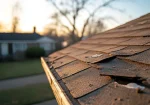
Regular roof inspections expose developing problems before they cause interior damage. Trained inspectors identify warning signs invisible to untrained eyes:
- Surface blistering indicating trapped moisture beneath membranes
- Ponding water revealing inadequate drainage slopes
- Cracked sealants around penetrations creating entry points
- Degraded flashing allowing water behind parapet walls
- Vegetation growth suggesting persistent moisture presence
Documentation from these inspections creates maintenance histories showing deterioration rates. Property managers tracking this data make informed decisions about repair timing and budget allocation. Buildings with disciplined inspection programmes experience fewer emergency failures than those neglecting preventive assessment.
The Economic Calculations
Waterproofing for roofs represents significant capital expenditure. Cost analyses reveal variables affecting total investment. Material selection creates a baseline, with premium systems costing double or triple compared to basic solutions. Installation complexity adds labour charges varying by roof configuration and access difficulty. Warranty coverage affects pricing as contractors accepting longer guarantee periods price in potential callback risks.
Deferring waterproofing renewal carries hidden costs often exceeding eventual repair expenses. Water damage to ceiling boards, electrical systems, and interior finishes multiplies initial leak repair costs. Mould remediation adds specialised expenses. Lost rental income during repairs affects property returns. Emergency repairs during failures cost premium rates compared to planned maintenance work.
The Regulatory Framework
Singapore’s Building and Construction Authority establishes standards for waterproofing for roofs applications. Regulations specify minimum performance requirements, testing protocols, and inspection procedures. Compliance protects building owners legally while ensuring basic quality standards. However, meeting minimum requirements differs from achieving optimal performance. Sophisticated property owners specify standards exceeding regulatory minimums, recognising that initial cost premiums deliver long-term value through extended service life and reduced maintenance frequency.
The Long Game
Successful waterproofing for roofs programmes extend beyond single installations to comprehensive lifecycle management, treating roof protection as evolving infrastructure requiring systematic attention rather than isolated interventions triggered by crisis, an approach distinguishing properties maintaining asset value from those experiencing accelerating deterioration through accumulated neglect.


-
Gut Renovation in Astoria NY: The Hidden Costs Nobody Puts in the First Quote
You collected three quotes. They looked reasonable. You signed, the walls came ... -
-
-
-