
How to Prepare Financially for Buying a Home
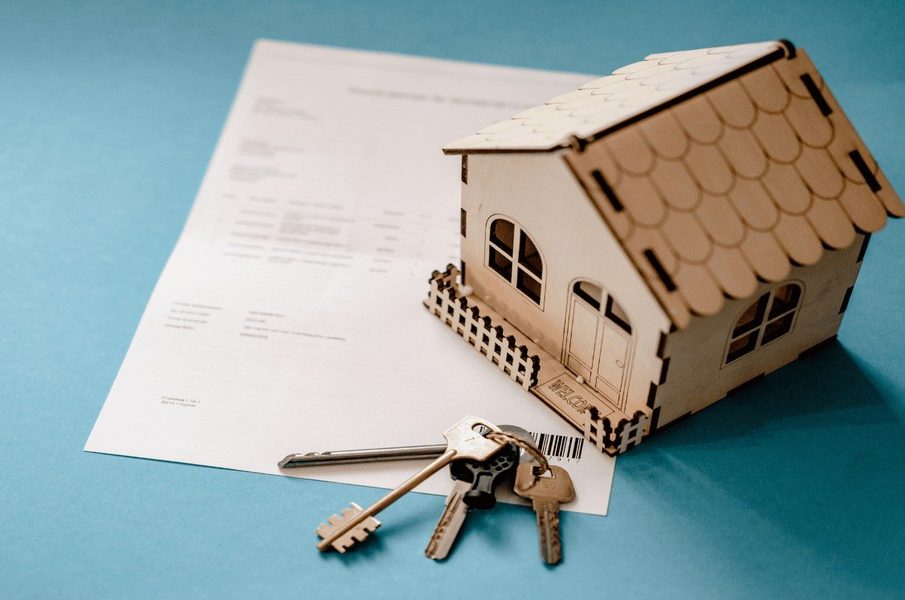
Buying a home is one of the biggest financial decisions you will ever make. Whether you are dreaming of a cozy starter home in a growing suburb or a luxury property in a sought-after neighbourhood, being financially prepared is the foundation of a smooth and successful purchase. Many buyers focus heavily on finding the right home but overlook the equally important task of getting their finances in order before they even start browsing listings.
This guide walks you through every key step of financial preparation – from checking your credit score to saving for a down payment, understanding mortgage options, and budgeting for closing costs. By the time you finish reading, you will have a clear roadmap to move from renter to homeowner with confidence.
1. Understand Your Current Financial Picture
Before you can plan for a home purchase, you need a clear snapshot of where you stand financially right now. This means reviewing your income, monthly expenses, existing debts, savings, and investments.
Start by asking yourself:
- What is my monthly take-home income?
- How much do I spend each month on fixed and variable expenses?
- How much debt do I currently carry (student loans, car loans, credit cards)?
- How much do I have in savings right now?
- Do I have an emergency fund that covers 3 to 6 months of expenses?
A simple monthly budget spreadsheet can help you see where your money goes. Tools like Mint, YNAB, or even a basic Excel sheet work well. The goal is to identify areas where you can cut back and redirect money toward your home-buying fund.
2. Check and Improve Your Credit Score
Your credit score is one of the most important factors lenders use to determine whether you qualify for a mortgage – and at what interest rate. A higher credit score typically means a lower interest rate, which can save you tens of thousands of dollars over the life of your loan.
General credit score ranges for mortgages:
- 760 and above: Excellent – you will qualify for the best rates
- 700 to 759: Good – competitive rates are still available
- 640 to 699: Fair – you may qualify for FHA loans
- Below 620: May face difficulty getting approved for conventional loans
How to improve your credit score before applying:
- Pay all bills on time – payment history is 35% of your FICO score
- Keep credit card balances below 30% of your credit limit
- Avoid opening new lines of credit in the months before applying
- Dispute any errors on your credit report
- Keep old accounts open – length of credit history matters
You can check your credit report for free at AnnualCreditReport.com. Review it carefully for any inaccuracies and dispute them promptly. Improving your score by even 20 to 30 points can make a meaningful difference in the rates you are offered.
3. Save for a Down Payment
The down payment is often the biggest financial hurdle for home buyers. The amount you need depends on the type of loan you choose and the purchase price of the home. Here is a breakdown of common options:
- Conventional loan: Typically 5% to 20% down (20% avoids Private Mortgage Insurance)
- FHA loan: As low as 3.5% down with a credit score of 580 or higher
- VA loan (for veterans): 0% down payment required
- USDA loan (for rural buyers): 0% down payment in eligible areas
If you are planning to buy a home in a competitive real estate market – such as the Kansas City metro area – a larger down payment can make your offer more attractive to sellers. The team at Mahoney Homes KC works with buyers across Missouri and Kansas and can help you understand what down payment amount makes the most sense for the local market conditions.
Tips to save for a down payment faster:
- Open a dedicated high-yield savings account just for your down payment fund
- Set up automatic transfers on payday so you save before you spend
- Reduce discretionary spending – dining out, subscriptions, impulse purchases
- Look into down payment assistance programs in your state or county
- Consider gift funds from family members (allowed by most loan programs)
4. Understand Your Debt-to-Income Ratio
Your debt-to-income (DTI) ratio is the percentage of your gross monthly income that goes toward paying debts. Lenders use this metric heavily when evaluating your mortgage application. Most conventional lenders prefer a DTI ratio of 43% or lower, though some loan programs allow up to 50%.
How to calculate your DTI:
Add up all your monthly debt payments (car loan, student loan, credit card minimums) and divide by your gross monthly income. Multiply by 100 to get the percentage. For example, if you earn $6,000 per month and pay $2,000 in debts, your DTI is 33% – which is considered healthy by most lenders.
How to lower your DTI before applying:
- Pay down high-interest credit card balances aggressively
- Avoid taking on any new debt – do not finance a car right before applying
- Increase your income through a raise, side hustle, or second job
- Consolidate debts if it meaningfully reduces your monthly payments
5. Get Pre-Approved for a Mortgage
Mortgage pre-approval is a critical step that tells you – and sellers – exactly how much house you can afford. It is not the same as pre-qualification, which is an informal estimate. Pre-approval involves a lender reviewing your credit report, income, assets, and debts to issue a formal letter stating the loan amount you qualify for.
In competitive markets like Charlotte, NC, having a pre-approval letter in hand before you make an offer can be the difference between landing your dream home and losing it to another buyer. If you are searching for homes in the Charlotte area, the experts at Search Charlotte – powered by Berkshire Hathaway HomeServices Carolinas Realty – offer access to every listing in the Charlotte metropolitan area and can connect you with trusted mortgage professionals.
Documents typically needed for pre-approval:
- Two years of W-2s or tax returns (self-employed buyers may need more)
- Recent pay stubs (last 30 days)
- Bank statements for the last 2 to 3 months
- Investment and retirement account statements
- Government-issued photo ID
It is a good idea to get pre-approved by two or three different lenders and compare their rates and terms. Even a small difference in interest rate can amount to thousands of dollars over a 30-year mortgage.
6. Budget for Closing Costs and Other Upfront Expenses
Many first-time buyers are surprised by how much money is needed beyond the down payment. Closing costs typically range from 2% to 5% of the loan amount and include a variety of fees and charges.
Common closing costs include:
- Loan origination fees
- Appraisal fee ($300 to $600 on average)
- Home inspection fee ($300 to $500)
- Title search and title insurance
- Attorney fees (required in some states)
- Prepaid property taxes and homeowners insurance
- HOA fees (if applicable) and escrow setup
If you are exploring luxury real estate in the Gastonia, NC area – where high-end homes come with premium price tags – budgeting for closing costs is especially important. Ally Bohanan Real Estate specializes in luxury home sales in the Gastonia, NC area and can help buyers understand the true cost of ownership from day one.
In addition to closing costs, budget for moving expenses, immediate home repairs, new furniture, and utility deposits. A good rule of thumb is to have an additional 1% to 3% of the home’s purchase price set aside for these first-year expenses.
7. Choose the Right Mortgage Type
Not all mortgages are created equal. Choosing the right loan type for your financial situation can save you a significant amount of money. Here is an overview of the most common options:
- Fixed-rate mortgage: Your interest rate stays the same for the life of the loan – great for budgeting and long-term stability
- Adjustable-rate mortgage (ARM): Starts with a lower rate that adjusts periodically – can be risky if rates rise significantly
- FHA loan: Backed by the Federal Housing Administration – ideal for buyers with lower credit scores or small down payments
- VA loan: For eligible veterans and active-duty military – offers 0% down and no PMI
- Jumbo loan: For homes that exceed conventional loan limits – requires strong credit and reserves
For buyers in Belmont, NC and the greater Charlotte metro region, navigating local market conditions and loan options can be complex. DSM Properties Inc. – led by award-winning realtor DeAnna Murphree – serves buyers and investors across the Charlotte metro and can guide you through the nuances of the local real estate landscape.
8. Factor In Ongoing Homeownership Costs
Owning a home comes with a range of ongoing costs that renters do not have to worry about. Failing to budget for these can lead to financial stress even after you close on the home.
Key ongoing homeownership expenses:
- Property taxes: Vary by location – research the rates in your target area
- Homeowners insurance: Typically $1,000 to $2,500 per year depending on home value and location
- Private Mortgage Insurance (PMI): Required if your down payment is under 20% on a conventional loan
- HOA fees: Can range from $100 to $500 or more per month in managed communities
- Maintenance and repairs: Budget 1% of your home’s value each year for upkeep
- Utilities: Often higher than renting, especially for larger homes
If you are looking for a home in Locust, NC or surrounding communities in Stanly County, understanding local tax rates and utility costs is essential. Kathy Shaffer Real Estate provides expert real estate services in Locust, NC and can help you evaluate the full cost of living in any neighborhood you are considering.
9. Build (and Protect) Your Emergency Fund
One of the biggest financial mistakes new homeowners make is draining their entire savings account to cover the down payment and closing costs. This leaves them vulnerable if something goes wrong right after moving in – a broken furnace, a leaky roof, or an unexpected job loss.
Aim to keep three to six months of living expenses in a separate emergency fund that you do not touch for home-buying costs. If buying the home would wipe out this safety net, consider saving a bit longer before purchasing. The short-term delay is worth the long-term peace of mind.
10. Work With a Local Real Estate Agent
Financial preparation gets you mortgage-ready, but navigating the actual home-buying process requires local expertise. A knowledgeable real estate agent understands the nuances of your target market – from neighborhood price trends and school districts to which properties offer the best long-term value.
A good agent will also help you negotiate the best price, identify red flags during home inspections, and manage the paperwork-heavy closing process. Their expertise is especially valuable in fast-moving markets where homes receive multiple offers within days of listing.
11. Take Advantage of First-Time Home Buyer Programs
If this is your first home purchase, you may be eligible for a variety of programs designed to make homeownership more accessible and affordable.
Common first-time buyer benefits include:
- Down payment assistance grants and forgivable loans
- Below-market interest rates through state housing finance agencies
- Tax credits for mortgage interest (Mortgage Credit Certificates)
- Reduced PMI rates through special programs
- HUD-approved housing counseling at no cost
Programs vary significantly by state, county, and even city. Research what is available in your target location and speak with a HUD-approved housing counselor for free guidance. Many buyers leave thousands of dollars on the table simply because they do not know these programs exist.
12. Create a Realistic Home-Buying Timeline
Financial preparation for buying a home does not happen overnight. Creating a realistic timeline helps you stay focused and avoid rushing into a purchase before you are truly ready.
- 12 to 18 months out: Start budgeting, check credit, open a dedicated savings account
- 9 to 12 months out: Pay down debts, build your down payment fund, research loan options
- 6 months out: Get pre-approved, interview real estate agents, research neighborhoods
- 3 months out: Start actively touring homes, refine your wish list and must-haves
- At offer time: Make an informed, competitive offer with your agent’s guidance
Final Thoughts: Financial Preparation Is the Foundation
Buying a home is an exciting milestone, but the buyers who thrive are the ones who do their financial homework long before they start scheduling showings. By understanding your current finances, building your credit, saving diligently, and partnering with the right professionals, you set yourself up for a purchase you can truly afford and enjoy for years to come.
Whether you are drawn to the luxury market in Gastonia, NC, the vibrant Kansas City metro, the family-friendly communities of Belmont, NC, the charming neighborhoods of Locust, NC, or the dynamic Charlotte metropolitan area, local real estate professionals are your greatest asset in this journey. Start your financial preparation today – your future home is waiting.
Frequently Asked Questions (FAQ)
Q1: How much money do I need to save before buying a home?
The amount you need depends on the home’s purchase price and loan type. At a minimum, plan to save for a down payment (as low as 3.5% with an FHA loan), closing costs (2% to 5% of the loan), and a post-purchase emergency fund of three to six months of living expenses. On a $300,000 home, this could mean having $30,000 to $50,000 saved before purchasing.
Q2: What credit score is needed to buy a house?
Most conventional lenders require a minimum credit score of 620, while FHA loans may accept scores as low as 580 (with 3.5% down) or even 500 (with 10% down). However, to get the most competitive interest rates, aim for a score of 740 or above. The higher your score, the less you will pay in interest over the life of your loan.
Q3: How long does it take to financially prepare to buy a house?
For most people, 12 to 18 months of focused preparation is realistic. This includes time to improve credit, pay down debts, save for a down payment, and build an emergency fund. If your finances are already strong and you have savings in place, the timeline could be as short as three to six months.
Q4: Is it better to put 20% down or use the money for other investments?
This depends on your financial goals and the current interest rate environment. Putting 20% down eliminates the need for PMI, reduces your monthly payment, and typically secures a better interest rate. However, if putting 20% down would leave you with no emergency fund, it may be wiser to put less down and keep liquidity. Consult with a financial advisor and your real estate agent to evaluate what makes sense for your situation.
Q5: Can I buy a home if I have student loan debt?
Yes, having student loan debt does not automatically disqualify you from buying a home. Lenders will include your student loan payments in your DTI calculation, so the key is keeping your overall DTI below 43%. Many buyers successfully purchase homes while carrying student loan debt by focusing on other financial strengths like a strong credit score and stable income.
Q6: What is the difference between pre-qualification and pre-approval?
Pre-qualification is an informal estimate based on information you provide to a lender – it does not involve a hard credit check or verification of documents. Pre-approval is a formal process where the lender reviews your credit, income, assets, and debts and issues a conditional commitment to lend you a specific amount. Sellers and agents take pre-approval much more seriously than pre-qualification.
Q7: How do I know how much house I can afford?
A common guideline is the 28/36 rule: your monthly housing costs (mortgage, taxes, insurance) should not exceed 28% of your gross monthly income, and your total debt payments should not exceed 36%. Another approach is to use an online mortgage calculator and work backward from a monthly payment you are comfortable with. Your lender and real estate agent can also help you determine a realistic price range based on your financial profile.
Q8: Are there down payment assistance programs in North Carolina and Kansas City?
Yes. In North Carolina, the NC Home Advantage Mortgage program offers down payment assistance of up to 3% of the loan amount for eligible buyers. The NC 1st Home Advantage Down Payment program provides up to $15,000 for first-time buyers. In Kansas City, Missouri, programs like the KC Housing Resources Corporation and various local non-profits offer assistance. Check with your local housing finance agency and your real estate agent for the most current programs available in your target area.
Q9: Should I use a real estate agent when buying a home?
Absolutely. A buyer’s agent costs you nothing out of pocket (their commission is typically paid by the seller) and provides invaluable guidance throughout the home-buying process. They help you identify homes that match your criteria, negotiate the best price, navigate inspection issues, and manage the closing process. In competitive markets, having a skilled agent representing your interests can be the deciding factor in winning a home.
Q10: What hidden costs should first-time home buyers watch out for?
Beyond the down payment and closing costs, first-time buyers are often surprised by: property tax escrow requirements, HOA fees and special assessments, immediate repair and maintenance costs, higher utility bills, and the cost of furnishing a larger space. Also budget for lawn care, pest control, and home security if applicable. A thorough home inspection before closing can also reveal deferred maintenance items that will need attention in the first year of ownership.


-
Why Is Your Air Conditioner Running but Not Cooling the House?
There are few things more frustrating than hearing your air conditioner hum ... -
-
-