The Efficiency Paradox: Analyzing the Environmental Footprint of Modern Purification Technologies
Modern purification technologies promise clean and safe water. They aim to improve quality across many sectors. The systems appear efficient and reliable in daily use. But hidden impacts often remain outside simple evaluation. The efficiency paradox explains this growing concern. It shows how better performance can raise total resource use. The idea connects progress with unexpected environmental pressure. Many systems need energy and materials for operation. These inputs affect the wider ecological balance. The discussion now explores how this paradox forms.
Understanding the Efficiency Paradox
The efficiency paradox shows gains that increase total use. Improved systems reduce waste per unit output. But rising demand can offset these savings. The effect becomes clear in many industries today. Advanced purification systems remove even tiny contaminants. This success encourages broader adoption across sectors. More facilities choose these systems for better compliance. Production expands as demand for purity grows. The result is higher total resource consumption overall. The paradox challenges common beliefs about efficiency benefits. It also links to economic growth and behavior patterns. Now the focus shifts to energy use patterns.
Energy Use and Resource Demand
Modern purification systems depend on steady energy supply. Pumps and filters require constant pressure and movement. Reverse osmosis systems need strong electrical input. Thermal processes often consume even greater energy levels. The energy source often comes from fossil fuels. This link increases greenhouse gas emissions over time. Resource demand also includes cleaning chemicals and additives. These materials support system performance and long life. But production and disposal add environmental pressure. Energy intensity defines the footprint of each system. Higher efficiency does not always mean lower impact. The discussion now moves to material concerns.
Materials and Lifecycle Impacts
Purification systems rely on complex materials and design. Membranes use polymers with specific chemical structures. Metal frames provide support and long-term durability. Manufacturing these parts requires energy and raw inputs. Mining activities create upstream environmental stress. Processing stages add more emissions and waste streams. Disposal presents another challenge at system end of life. Used membranes often enter landfills without recycling options. This path increases pollution risks over time. Lifecycle analysis helps reveal these hidden impacts. It considers extraction, usage, and disposal stages together. Now attention shifts to real world applications.
Industrial and Laboratory Contexts
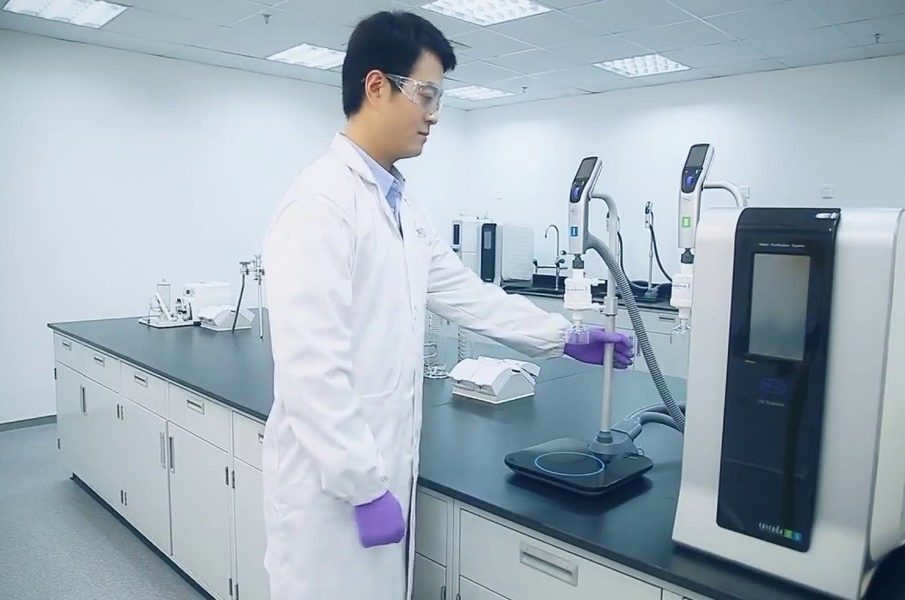
Industries require purified water for many critical processes. Electronics production needs extremely clean water for circuits. Pharmaceutical sectors demand strict quality for safe products. Food processing also depends on clean water standards. Facilities adopt advanced systems to meet these needs. laboratory water purification systems support research and testing work. They ensure reliable results in controlled environments. But small units still use energy and replacement parts. Maintenance cycles require filters and chemical solutions. Waste streams may contain concentrated contaminants from operation. The operational setting shapes both benefits and impact levels. The balance between accuracy and footprint remains sensitive.
Conclusion
The efficiency paradox reveals limits of simple progress ideas. Modern purification brings clear health and safety benefits. But hidden impacts challenge long term sustainability claims. Energy use and materials define the true environmental cost. Lifecycle thinking offers a deeper understanding of impacts. Industrial and laboratory settings show practical challenges clearly. Sustainable solutions can reduce negative outcomes over time. Careful design and informed use can improve system balance.


-
Gut Renovation in Astoria NY: The Hidden Costs Nobody Puts in the First Quote
You collected three quotes. They looked reasonable. You signed, the walls came ... -
-
-
-