
How Office Interior Design Services in Johor Bahru Improve Team Productivity and Workplace Culture
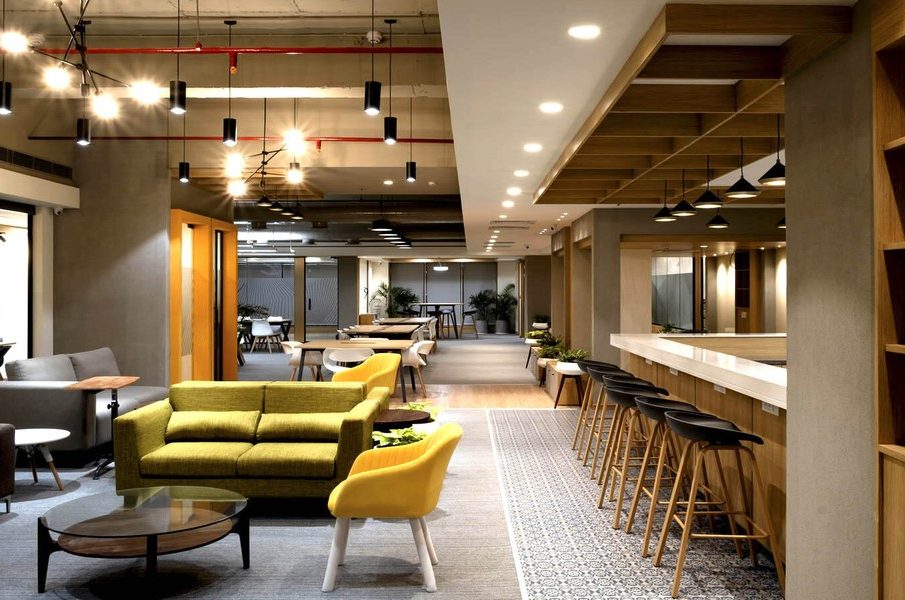
When people talk about improving productivity at work, the conversation usually goes straight to things like deadlines, management style, or hiring better talent.
But there’s one factor that often gets overlooked.
The physical workspace.
In many offices across Johor Bahru, interior design plays a much bigger role in how teams feel, think, and perform than most business owners initially realise. A well-designed office actively supports better focus, smoother communication, and a healthier workplace culture.
Here’s how it actually works in practice.
1. A well-planned layout reduces daily friction.
One of the biggest hidden productivity killers is simple: inconvenience.
When employees constantly have to:
- Walk far for meetings
- Navigate tight or awkward spaces
- Interrupt others just to communicate
…it adds small layers of friction throughout the day.
Good office interior design removes that friction by planning layouts based on real workflows. Teams that collaborate often are placed closer together, while quiet zones are separated for focused work.
In offices across Johor Bahru, this kind of intentional planning can make the entire workplace feel more efficient without changing any job roles or processes.
2. Better environments improve focus without forcing it
Focus is not just about discipline. It’s also about the environment.
A poorly designed office can easily distract employees through:
- Noise pollution
- Visual clutter
- Poor lighting conditions
- Constant movement in high-traffic areas
On the other hand, a well-designed space naturally supports concentration.
Things like:
- Proper lighting levels
- Acoustic-friendly materials
- Clear separation between work zones
help employees stay focused longer without feeling mentally drained.
The key difference is simple: good design doesn’t demand focus, it supports it.
3. Space design directly affects communication flow.
Workplace culture is heavily influenced by how people interact day to day.
An office layout can either encourage or discourage communication.
For example:
- Open collaboration areas make discussions easier
- Strategic seating arrangements improve team interaction
- Breakout zones encourage informal conversations
In contrast, poorly planned layouts can isolate teams, even when they sit physically close to each other.
In many companies in Johor Bahru, improving communication flow through design has helped teams become more connected and responsive without changing any formal processes.
4. Comfort reduces burnout and increases consistency.
Comfort might sound like a minor detail, but it has a direct impact on productivity.
If employees are dealing with:
- Uncomfortable chairs
- Poor ventilation
- Harsh lighting
- Overcrowded work areas
…they tire out faster and lose focus more easily.
A well-designed office prioritises ergonomic furniture, balanced lighting, and breathable space layouts. This helps employees maintain steady energy levels throughout the day.
Over time, this consistency improves overall output more than occasional bursts of productivity.
5. Good design builds a stronger workplace culture.
Workplace culture isn’t just created through policies or team-building activities. It’s also shaped by the environment people share every day.
A thoughtfully designed office can encourage:
- Collaboration
- Casual interaction
- A sense of belonging
Spaces like:
- Shared lounges
- Comfortable breakout areas
- Informal meeting corners
help employees interact more naturally.
In offices across Johor Bahru, this often leads to a more relaxed and open culture where communication happens more easily and organically.
6. Clear zoning helps employees switch between tasks.
Modern work often involves different modes:
- Focused individual work
- Team collaboration
- Meetings
- Breaks and resets
Without clear zoning, these modes blur together, making it harder to mentally switch between tasks.
Good office interior design solves this by creating distinct zones for different activities.
For example:
- Quiet zones for deep work
- Meeting rooms for structured discussions
- Open areas for collaboration
- Relax zones for mental breaks
This separation helps employees mentally reset and perform better in each mode.
7. A well-designed office improves employee retention and morale.
People don’t just leave jobs because of salary. They also leave because of how the environment makes them feel.
A poorly designed office can feel:
- Stressful
- Confusing
- Uncomfortable
- Uninspiring
A well-designed one feels:
- Supportive
- Professional
- Comfortable
- Motivating
In competitive job markets like Johor Bahru, where companies are constantly trying to retain talent, the workspace becomes part of the employee experience.
When people feel good in their environment, they’re more likely to stay longer and contribute more consistently.
Final Thoughts
Office interior design is often seen as something purely aesthetic, but in reality, it has a direct impact on how teams work and how culture develops.
In the end, a well-designed office in Johor Bahru doesn’t just look better.
It works better-for the business and for the people inside it.


-
Two Years Is Roughly Where Renting Furniture Stops Making Sense
Two years is roughly where the maths flips. Below that point, a ... -
-
-
-