Essential Roofing Services in 2025: Protecting Homes with Durability and Design

Homeowners in 2025 are navigating a new era of performance expectations for their roofs, where durability, design, and measurable efficiency all carry equal weight. Extreme weather, evolving building codes, and new materials have raised the bar on what it takes to protect a home for decades. The right approach blends smart planning, routine maintenance, and technology-driven diagnostics to ensure resilience without sacrificing curb appeal. That’s why partnering with experts who deliver true Quality Exteriors can make a measurable difference in both safety and long-term costs. Throughout this guide, you’ll learn how modern Roofing Services coordinate materials, ventilation, inspections, and leak detection to ensure your home’s roof performs in every season.
Choosing Roofing Materials Built for 2025 Weather Conditions
In 2025, material selection demands more than an eye for color—it requires a climate-specific strategy. From hurricane-prone coastlines to hail-heavy interiors and wildfire-exposed regions, roofs must be engineered for impact, heat, and wind uplift. Class 4 impact-rated shingles, standing seam metal with high-performance coatings, and composite slate or shake are now common choices for resilience and aesthetics. Cool roof finishes, reflective granules, and UV-stable membranes cut heat absorption and reduce thermal cycling that shortens service life. Choosing materials by region, roof geometry, and code mandates ensures that appearance and performance stay aligned for years.
Material selection tips that balance resilience, efficiency, and style
When comparing systems, look beyond initial price and evaluate full life-cycle value, including warranty tiers and maintenance demands. Metal roofing with Kynar or similar finishes resists fading and corrosion while reflecting heat, while stone-coated steel combines classic profiles with storm-ready durability. In hot zones, reflective shingles or single-ply membranes with high solar reflectance (SRI) tame attic temperatures and reduce cooling loads. In cold climates, heavy-duty underlayments and ice-barrier membranes pair with shingle or metal assemblies that manage snowmelt and freeze-thaw expansion. For homeowners targeting a cohesive exterior, consider how textures and profiles complement siding and masonry so the roof enhances the whole envelope rather than competing with it.
How Routine Roof Inspections Prevent Early Damage
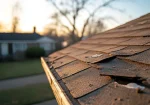
Timely inspections remain one of the simplest and most cost-effective ways to avoid premature roof failures. Seasonal temperature swings, wind-driven rain, and flying debris can loosen fasteners, crack sealants, and lift edges—issues that start small but compound quickly. A trained eye identifies weak points long before water finds a path into decking or insulation. Scheduled checkups, paired with quick post-storm assessments, provide a rolling snapshot of condition and allow you to address vulnerabilities before they become leaks. Many homeowners now bundle inspection plans with professional Roofing Services to keep maintenance disciplined and documented.
What inspectors evaluate during a comprehensive roof check
A systematic review covers surface wear, flashing and penetration details, and the structural plane below. Inspectors examine shingle granule loss, membrane seams, and ridge caps, then test flashings at chimneys, skylights, and vents where leaks often originate. They note compromised sealant, displaced drip edge, and soft spots that can hint at trapped moisture. Gutters and downspouts get attention too, as poor drainage leads to fascia rot and ice dams. Detailed photo reports with prioritized action items help you schedule minor repairs before they escalate, protecting both finish materials and the hidden layers that keep the roof watertight.
Integrating Ventilation Systems for Long-Term Performance
A roof’s lifespan is about more than shingles—airflow through the attic and roof assembly determines whether materials age gracefully or fail early. When heat and moisture linger, decking can warp, fasteners loosen, and mold takes hold, compromising indoor air quality and energy efficiency. Balanced intake and exhaust ventilation stabilizes temperatures, prevents condensation, and reduces ice damming in cold climates. Properly integrated soffit intake with continuous ridge vents promotes even air movement under the entire roof surface. The result is steadier performance, fewer maintenance surprises, and a more comfortable home year-round.
Designing balanced intake and exhaust without guesswork
The goal is straightforward: match intake net free area (NFA) at the eaves with exhaust NFA at the ridge to create a smooth, continuous airflow path. Baffles preserve airflow at the eaves by separating insulation from soffit openings, while smart vent products or off-ridge vents help where ridge length is limited. For hip roofs or complex geometries, powered vents can supplement—but they must be sized and placed carefully to avoid pulling conditioned air from the living space. During upgrades, verify that bath and kitchen vents terminate outdoors, not into the attic, to prevent moisture spikes. With a balanced system, insulation stays dry, roof temperatures drop, and components last longer with fewer callbacks or repairs.
Using Infrared Scans to Detect Leaks More Accurately
Moisture rarely announces itself where you can see it, which is why thermal imaging has become a trusted diagnostic tool. Infrared scans detect temperature differentials that reveal wet insulation, saturated substrates, or hidden leaks without invasive probing. Professionals typically schedule scans in the early evening, when daytime heat dissipates and trapped moisture remains cooler than surrounding dry materials. This thermal contrast makes anomalies easier to spot and map for targeted repairs. Paired with expert interpretation, infrared scanning shortens troubleshooting time and elevates the precision of Roofing Services.
What homeowners should expect from a professional thermal survey
A credible survey includes pre-scan planning, calibrated equipment, and clear reporting with annotated imagery. Technicians document weather conditions, thermal patterns, and reference points, then confirm suspicious areas with moisture meters or core sampling where appropriate. You’ll receive a plan that prioritizes fixes—such as resealing penetrations, replacing wet insulation, or repairing compromised seams—so repairs address root causes rather than symptoms. While infrared cannot “see through” materials, it can highlight where water is likely migrating, reducing unnecessary tear-offs. When used as part of an annual maintenance program, scans track improvement over time and validate the effectiveness of each repair.
Improving Home Efficiency With Modern Roofing Designs
Contemporary roof designs integrate thermal performance as a central feature, not an afterthought. Strategic choices—from reflective finishes to above-deck ventilation—moderate attic temperatures and cut energy consumption. In warm regions, cool roof shingles, metal panels with high reflectance, or white single-ply membranes reduce heat gain and strain on HVAC equipment. In mixed or cold climates, insulated nail-base panels and continuous exterior insulation reduce thermal bridging and help maintain stable interior comfort. When a roof complements the home’s envelope strategy, the whole building performs better and lasts longer.
Design moves that add efficiency without sacrificing style
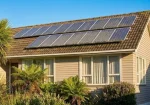
You don’t have to choose between efficiency and aesthetics; the right combinations deliver both. Architectural metal in lighter tones pairs sleek lines with measurable energy benefits, while composite slate can be specified with reflective granules that mimic natural stone. Skylights and sun tunnels with low-E glazing introduce daylight without overloading the attic with heat, and compatible flashing kits prevent leaks. Integrating solar-ready mounting points during reroofing avoids future penetrations and preserves warranties, a smart step for homeowners planning photovoltaics. By coordinating these upgrades under one project lead known for Quality Exteriors, you get cohesion across materials, energy performance, and visual appeal.
Why Proper Installation Protects Structural Integrity
Even the best materials fail when installed poorly, making craftsmanship the cornerstone of a durable roof. Manufacturers publish specific guidelines for underlayments, starter courses, fastener patterns, and flashing details that must be followed to preserve warranties. Precision in valleys, at step flashings, and around penetrations prevents capillary action and wind-driven rain from finding a path inward. Ice and water barriers at eaves, rakes, and critical transitions add redundancy where it matters most. When installation respects both engineering and local code, the roof resists uplift, sheds water predictably, and protects the framing below.
Red flags and best practices when hiring an installer
A trustworthy contractor documents scope, provides proof of insurance, and aligns their methods to manufacturer specs, not just “how it’s always been done.” Look for project photos that show clean lines, straight courses, and correctly woven or metal-lined valleys, plus tidy flashing work that sits flat against siding and chimneys. Confirm that crews use corrosion-resistant fasteners, properly seat nails or screws, and avoid overdriven heads that reduce holding power. Ask about site protection—magnetic nail sweeps, tarp placement, and daily cleanup—to safeguard landscaping and safety. Above all, prioritize teams who integrate disciplined Roofing Services with transparent communication so quality is verifiable at every stage.
Sustainable Roofing Options Supporting Future Home Design
Sustainability is now practical, measurable, and often cost-competitive over the lifespan of a roof. Durable materials like metal, composite slate, and tile offer long service lives, reducing replacement cycles and embodied carbon per year of use. Recycled-content shingles and membranes minimize waste, while cool-roof finishes cut peak energy loads in hot climates. Vegetated roofs and modular green systems add insulation, manage stormwater, and create habitat, especially useful in dense urban zones. Designing with deconstruction in mind—selecting products with Environmental Product Declarations and recyclable profiles—supports a more circular building economy.
How to choose sustainable solutions that fit your home and climate
Start by defining goals: lower operational energy, reduced embodied carbon, stormwater management, or a combination of all three. Then match products to climate realities—cool roofs in hot zones, robust underlayments and ice barriers in snow country, and fire-resistant assemblies in wildfire-prone regions. Consider:
- Long-life materials with strong warranties that reduce replacement frequency
- Reflective finishes and ventilated assemblies to curb HVAC loads
- Recycled-content underlayments and shingles to support material circularity
- Integrated solar readiness to avoid future penetrations and rework
Work with a contractor who can model projected savings and environmental impacts so decisions are evidence-based. When your project team focuses on Quality Exteriors as both a design principle and a performance benchmark, sustainability becomes a natural outcome of good building rather than an add-on. Coordinated planning, from initial product selection to careful detailing at the eaves and ridge, ensures the roof you choose today still looks sharp, performs efficiently, and protects your home for decades. In the end, the best Roofing Services combine durability, style, and stewardship—aligning what’s good for your property with what’s good for the future.


-
Gut Renovation in Astoria NY: The Hidden Costs Nobody Puts in the First Quote
You collected three quotes. They looked reasonable. You signed, the walls came ... -
-
-
-