
The Real ROI of Preventive Maintenance for Home Systems
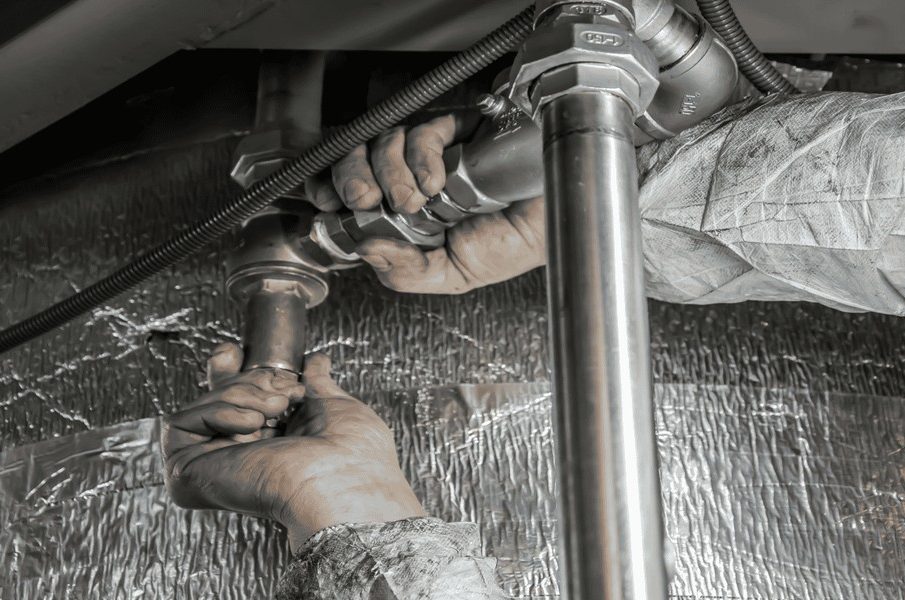
Most homeowners only call a technician when something breaks. The AC stops working in the middle of July. A pipe bursts. The furnace refuses to start on the coldest night of the year. By that point, the damage is already done – and so is the expense. But what if there was a smarter, more cost-effective way to manage your home systems? There is. It is called preventive maintenance, and the return on investment (ROI) is real, measurable, and surprisingly significant.
This guide breaks down exactly what preventive maintenance means for your home, which systems benefit the most, how to calculate your savings, and why local service providers make all the difference.
What Is Preventive Maintenance for Home Systems?
Preventive maintenance (PM) is the practice of regularly inspecting, cleaning, adjusting, and servicing your home systems before they fail. Unlike reactive maintenance – which only happens after a breakdown – PM is proactive. It is scheduled. It is planned. And it is almost always cheaper.
The key home systems that benefit most from preventive maintenance include:
- HVAC systems (heating, ventilation, and air conditioning)
- Insulation and weatherproofing
- Structural metalwork, fencing, and custom fabrication
- Plumbing and water systems
- Electrical and roofing systems
Each of these systems has a predictable lifespan when properly maintained. Neglect them and that lifespan shrinks – sometimes dramatically.
The True Cost of Skipping Preventive Maintenance
Here is a simple truth: deferred maintenance is just future repair costs with interest. Every year you skip a tune-up, you are borrowing from future reliability. Let us look at some concrete numbers.
HVAC Systems
A typical HVAC unit costs between $5,000 and $12,000 to replace. Annual preventive maintenance – including filter changes, coil cleaning, refrigerant checks, and electrical inspections – costs roughly $150 to $300 per year.
A well-maintained HVAC system lasts 15 to 20 years. A neglected one? Often 8 to 12 years. That gap represents thousands of dollars in early replacement costs, not to mention higher monthly utility bills from an inefficient system running overtime.
If you are in the area, getting professional HVAC maintenance done by a trusted local provider is one of the smartest investments you can make. Companies like MCC Fix My AC specialize in keeping your cooling and heating systems running at peak efficiency year-round, helping homeowners avoid costly emergency calls.
Home Insulation
Poor or aging insulation does not announce itself with a dramatic failure. Instead, it quietly drains your wallet through elevated energy bills, inconsistent room temperatures, and HVAC systems that have to work twice as hard. According to the U.S. Department of Energy, properly air sealing and insulating your home can save 15% or more on your heating and cooling costs annually.
Regular insulation audits catch problems early – before moisture damage, pest infiltration, or settling leads to a complete re-insulation job. If you suspect your home is losing energy, Insulation Nation offers expert assessments and high-quality insulation solutions that can dramatically improve your home’s energy efficiency. Their team helps homeowners identify where heat loss is occurring and recommends tailored solutions that pay for themselves over time.
Structural Metalwork and Custom Fabrication
Metal components around your property – gates, fencing, structural supports, railings, and custom metalwork – are exposed to the elements every day. Without periodic inspection, cleaning, and protective coating, rust and corrosion set in. What starts as surface oxidation can become structural weakness over time.
Preventive maintenance for metal systems typically involves rust treatment, repainting or powder coating, and tightening of joints and connections. For quality metalwork maintenance and custom fabrication, Parker Welding and Fabrication provides professional services that extend the life of metal structures around your home. Catching corrosion early can mean a $200 treatment rather than a $2,000 replacement.
How to Calculate the ROI of Preventive Maintenance
ROI is not just a business concept. Every dollar you spend on preventive maintenance has a measurable return. Here is how to think about it:
ROI Formula: ROI = (Money Saved – Cost of Maintenance) ÷ Cost of Maintenance × 100
Example: You spend $250 per year on HVAC preventive maintenance. As a result, you avoid one emergency repair that would have cost $1,200 and extend your unit’s life by 3 years (avoiding a $7,000 early replacement). Over 5 years, your $1,250 investment prevented $8,200 in costs – an ROI of over 550%.
Across all home systems, studies consistently show that every $1 spent on preventive maintenance returns between $3 and $8 in avoided repair and replacement costs. That is a return most financial investments would envy.
The Energy Efficiency Bonus
Beyond repair cost savings, preventive maintenance delivers another powerful ROI driver: reduced energy consumption. Home systems that are clean, calibrated, and properly sealed use less power to do the same job. That shows up directly on your monthly utility bill.
Consider these common energy-efficiency gains from preventive maintenance:
- A dirty HVAC filter can reduce system efficiency by 5-15%, increasing your energy bill proportionally
- Missing or damaged attic insulation can add $300-$600 annually to heating and cooling costs
- Air leaks around windows and doors are responsible for up to 30% of home heating and cooling energy loss
- Corroded metal connections in HVAC ductwork can create leaks that waste 20-30% of conditioned air
When you combine repair cost avoidance with energy savings, the ROI of preventive maintenance becomes even more compelling.
Why Local Service Providers Make the Difference
Not all preventive maintenance is created equal. The quality of the technician matters enormously. A rushed or superficial inspection misses the problems that cost money down the road. This is why choosing experienced, local service providers is so important.
Local providers understand regional climate conditions, local building codes, and the specific demands your area places on home systems. They are also more accountable – your neighbor is their next customer.
For homeowners dealing with AC issues, a local specialist like MCC Fix My AC understands the specific cooling demands of the local climate and can tailor a maintenance plan that actually fits your system’s needs. This kind of local expertise is hard to replicate with a national chain.
A Seasonal Preventive Maintenance Checklist for Homeowners
Building a simple seasonal routine goes a long way toward protecting your home. Here is a practical checklist organized by season:
Spring
- Schedule HVAC inspection and tune-up before summer heat arrives
- Check attic insulation for signs of moisture, pests, or settling
- Inspect metal gates, railings, and outdoor structures for rust or damage
- Seal any gaps around windows, doors, and utility penetrations
Summer
- Change HVAC filters monthly during peak usage
- Check that outdoor condensate drain lines are clear
- Monitor energy bills for unexpected spikes that signal a problem
Fall
- Schedule heating system inspection before cold weather sets in
- Audit insulation in crawl spaces and exterior walls
- Treat any metal structures before winter moisture exposure
Winter
- Monitor for ice dams or moisture intrusion in attic spaces
- Check that weatherstripping is intact and effective
- Schedule any non-urgent repairs while contractor availability is highest
The Home Value Connection
Preventive maintenance does not just protect your wallet today – it protects your home’s market value over time. Buyers and real estate agents increasingly scrutinize maintenance records. A home with documented, regular maintenance commands higher offers and spends fewer days on the market.
Conversely, a home inspection that reveals deferred maintenance – an aging HVAC unit, failing insulation, corroded metalwork, or structural cracks – gives buyers leverage to negotiate the price down, sometimes by $10,000 or more.
That is a significant ROI driver that many homeowners overlook entirely.
Preventive Maintenance and Indoor Comfort
There is an often-overlooked ROI category: quality of life. A home with properly maintained systems is simply more comfortable to live in. Consistent temperatures, good air quality, and no surprise breakdowns make daily life better. This is harder to put a dollar figure on, but ask anyone who has gone through a summer without AC or a winter without heat – the value of reliable home systems is very real.
Well-insulated homes, like those served by Insulation Nation, also provide better indoor air quality by reducing the infiltration of outdoor allergens, dust, and humidity. For families with allergies or respiratory conditions, this translates to measurable health benefits.
Getting Started: Building Your Home Maintenance Plan
Creating a preventive maintenance plan does not have to be complicated. Here is a simple framework to get started:
- Inventory Your Systems: List every major system in your home, its age, and when it was last serviced.
- Identify Priority Systems: Focus first on systems that are oldest, most expensive to replace, or most critical to comfort.
- Find Qualified Local Providers: Build relationships with trusted specialists in HVAC, insulation, and structural maintenance before you need them urgently.
- Schedule Annual Service Visits: Put maintenance on the calendar like any other important appointment.
- Keep Records: Document every service visit, repair, and upgrade. These records are valuable for resale and warranty claims.
For metal structures and custom fabrication needs, Parker Welding and Fabrication is a great resource for homeowners who want professional assessment and repair of any metal elements on their property. From ornamental gates to structural supports, catching issues early with professional welding and fabrication services can save thousands in replacements.
Conclusion: Preventive Maintenance Is the Smartest Home Investment You Can Make
The ROI of preventive maintenance for home systems is not theoretical. It shows up in lower energy bills, avoided emergency repairs, extended equipment lifespans, better indoor comfort, and higher home resale values. When you add it all up, the math is overwhelmingly in favor of regular, proactive maintenance.
The key is not doing it all yourself – it is knowing which local professionals to trust. Whether it is keeping your AC running efficiently, making sure your home is properly insulated, or ensuring your metalwork is protected for the long haul, the right local partners make all the difference.
Start small. Pick one system this month. Schedule a maintenance visit. Then build from there. Your future self – and your bank account – will thank you.
Frequently Asked Questions (FAQs)
Q1: How often should I schedule preventive maintenance for my HVAC system?
At a minimum, you should have your HVAC system professionally inspected twice a year – once in spring before cooling season, and once in fall before heating season. In between professional visits, change your air filters every 1 to 3 months depending on usage and whether you have pets or allergy concerns.
Q2: Is preventive maintenance worth the cost for older home systems?
Yes, in most cases. Even for aging systems, preventive maintenance extends useful life and reduces the risk of sudden failure. That said, if a system is well past its expected lifespan and showing signs of major wear, a qualified technician can help you weigh repair costs against replacement. The goal is to avoid spending good money maintaining something that is about to fail regardless.
Q3: How do I know if my home insulation needs to be updated?
Common signs include unusually high energy bills, rooms that are difficult to heat or cool, drafts near windows or outlets, moisture or mold in attic spaces, and pest infestations in wall cavities. A professional energy audit or insulation assessment can identify problem areas. Many homeowners are surprised to learn how much they are losing through inadequate or aging insulation.
Q4: What is the average cost of preventive maintenance across all home systems annually?
A reasonable estimate for comprehensive preventive maintenance across HVAC, insulation, plumbing, electrical, and structural systems is $500 to $1,500 per year for a typical single-family home. This figure varies based on home size, system age, and region. When weighed against the average emergency repair cost of $1,000 to $5,000+ and early replacement costs running into the thousands, the investment is clearly worthwhile.
Q5: Can preventive maintenance actually increase my home’s value?
Absolutely. Documented maintenance records are a strong selling point. They reassure buyers that the home has been well cared for and reduce the likelihood of post-inspection negotiation on price. Homes with service records for major systems often sell faster and at a higher price compared to comparable homes without documentation.
Q6: Do I need a professional for all preventive maintenance tasks, or can I do some myself?
Many basic tasks are DIY-friendly: replacing HVAC filters, cleaning air vents, caulking around windows and doors, and checking visible metal components for surface rust. However, tasks involving refrigerant, electrical panels, gas connections, structural integrity, or insulation installation should always be handled by licensed professionals. The cost of a professional visit is almost always less than the cost of a DIY mistake.
Q7: How do I find a trustworthy local maintenance provider?
Look for licensed, insured providers with strong local reviews and verifiable credentials. Ask for references from previous customers. Prioritize businesses that offer clear pricing, detailed service reports, and are responsive to follow-up questions. Local businesses that have served your community for years tend to be the most accountable and knowledgeable about regional conditions.
Q8: What happens if I skip preventive maintenance for a few years?
Skipping maintenance for even two to three years significantly increases the likelihood of a major failure. Systems accumulate wear faster without regular calibration and cleaning. Insulation settles and degrades without monitoring. Metal components begin to corrode. Small issues that would have cost a hundred dollars to fix during a routine visit become thousand-dollar repairs – or total replacements. The longer you wait, the worse the compounding effect.



-
Minimising Downtime With Effective Emergency Fire Watch
Introduction Unexpected fire protection problems can interrupt normal building operations and create ... -
-
-
-