
Choosing the Right Screw for Every Construction Application
Why Fastener Selection Matters More Than Most Builders Realize
From light cabinetry to heavy timber framing, lag screws and other structural fasteners are the unseen backbone of nearly every construction project — and choosing the wrong one can compromise both safety and longevity. With so many screw types available today, understanding the purpose behind each category is essential for any professional builder or dedicated DIYer.
Structural Wood Screws vs. Lag Screws
Not all wood screws are created equal. Standard wood screws work well for everyday joinery, but structural wood screws are engineered with tighter tolerances, hardened steel, and thread geometries designed to maximize withdrawal resistance and shear strength. They’re ideal for general framing, decking substructures, and wood-to-wood connections where load-bearing performance is expected.
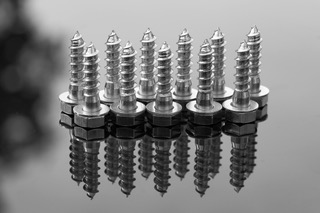
For heavier applications — post-and-beam connections, ledger board attachments, or thick timber joins — a structural lag screw is typically required. These large-diameter fasteners are driven with a wrench rather than a standard driver and offer significantly greater holding power in dense or stacked lumber.
Specialty Screws for Specific Jobs
Beyond structural applications, modern construction demands fasteners tailored to niche materials and environments. Wood-to-metal screws feature drill-point tips that self-pierce light-gauge steel without pre-drilling, making them a go-to for trailer decking and steel-framed structures. Trim head screws offer a smaller head profile for finish carpentry and decking where aesthetics matter. Cabinet screws are sized specifically for joinery tools common in millwork and window installation.
For harsh coastal or high-moisture environments, material choice becomes critical. Stainless steel — particularly 316-grade — offers superior corrosion resistance compared to standard galvanized coatings, making it the preferred option for exterior applications near salt air or standing water.
Matching the right fastener to the right material and environment isn’t just best practice — it’s what separates a lasting build from one that fails prematurely.


-
Gut Renovation in Astoria NY: The Hidden Costs Nobody Puts in the First Quote
You collected three quotes. They looked reasonable. You signed, the walls came ... -
-
-
-