
Winter vs. Summer Baby Sleep: How to Keep Your Little One Comfortable All Year Long
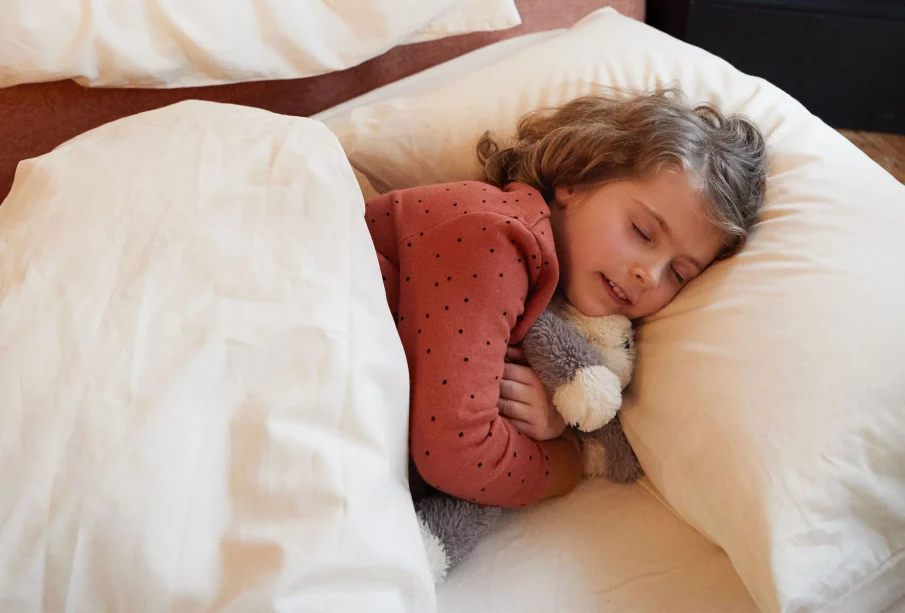
Bringing a new baby home means you suddenly think about room temperature, pajamas, and blankets in a way you probably never have before. You want your little one to sleep safely and soundly, whether there’s a snowstorm outside or a summer heat wave rolling through. The challenge is finding that sweet spot where your baby is comfortably warm, not overheating, and always sleeping in a safe environment.
This guide explains how to approach winter and summer sleep differently while keeping safe-sleep guidelines at the center of every decision.
Why temperature matters for baby sleep
Babies can’t regulate their body temperature as efficiently as adults. They lose heat faster and can overheat more easily if they’re overdressed or the room is too warm. Both being too cold and too hot can lead to restless sleep, frequent wakeups, and, in severe cases, health risks.
Most pediatric experts recommend keeping the nursery in a “Goldilocks” range that’s not too hot and not too cold. Instead of constantly fiddling with the thermostat, aim to create a consistent, sleep-friendly environment and adjust your baby’s clothing to suit the season.
Ideal room temperature: winter vs. summer
\While exact numbers can vary slightly by source, many organizations suggest a similar comfortable range for baby sleep. In winter, parents often worry their baby will get cold, so they turn up the heat or pile on extra layers. In summer, the opposite happens—they’re unsure how little clothing is “too little.”
A good rule of thumb is to keep the room comfortable for a lightly dressed adult. If you’d be comfortable sleeping in a light long-sleeve top and pants without feeling chilly or sweaty, you’re likely close to the right range. In winter, that might mean using your home’s heating system more steadily and preventing drafts. In summer, it may mean using a fan or air conditioning to keep the room from becoming stuffy, while avoiding direct airflow on your baby.
Rather than chasing a perfect number, focus on consistency. Large swings in temperature—very warm in the day and cool at night—can make it harder for your baby to settle and stay asleep.
How to dress your baby for winter sleep
In winter, the instinct to bundle baby up is strong, but more layers do not always mean better sleep. Overheating is a known risk factor for unsafe sleep, so it’s better to dress your baby in a few thoughtfully chosen, breathable layers than thick, bulky clothing.
Here are winter dressing basics for nighttime:
- Start with a breathable base layer, such as a cotton long-sleeve onesie.
- Add a footed sleeper or pajamas made of soft, breathable fabric rather than heavy, fuzzy materials that trap too much heat.
- Use safe sleepwear designed for infants instead of loose blankets in the crib. Many parents like options that zip up and stay in place so baby can’t kick them off.
- Keep hats, scarves, and extra accessories out of the crib. These are fine for trips outside but not for sleep.
To check if your baby is comfortable, feel the back of their neck or their chest. If they’re sweaty, flushed, or their chest feels hot, remove a layer. Cool hands and feet are normal, so don’t rely on them as your only indicator.
How to dress your baby for summer sleep
Summer brings different concerns: sticky nights, hot nurseries, and worries that baby might be too warm to sleep soundly. The key is to reduce layers without sacrificing safety.
Here are summer dressing basics for nighttime:
- Use a light, breathable onesie or short-sleeve bodysuit as a base.
- If the room is warm but not hot, a lightweight sleeper over the onesie can still work.
- In very warm weather, your baby may only need a onesie or even just a diaper with safe, season-appropriate sleepwear over top.
- Avoid heavy fabrics and opt for materials like cotton or bamboo that allow airflow and wick away moisture.
If you’re using a fan, aim it away from the crib so air circulates in the room without blowing directly on your baby. Similarly, if you use air conditioning, avoid making the room overly cold. Extreme swings—from a hot hallway to a chilly nursery—can leave your baby uncomfortable and more likely to wake.
Reading your baby’s cues
No matter the season, your baby’s cues are one of your best guides. Some signs your baby may be too cold include:
- Cool chest or back (not just hands and feet)
- Mottled or bluish-looking skin
- Fussiness when lying down, especially if the room feels drafty
Signs of overheating include:
- Sweaty neck or damp hair
- Flushed cheeks or a heat rash on the chest or back
- Fast breathing or seeming unusually irritable or lethargic
If you notice any of these, adjust layers or the room temperature and monitor how your baby responds over the subsequent sleep period.
Safe sleep first, year-round
Seasonal tweaks are essential, but they should never override safe-sleep basics.
For every nap and nighttime sleep, follow these principles:
- Always place your baby on their back to sleep.
- Use a firm, flat sleep surface free of pillows, bumpers, and loose blankets.
- Keep soft toys and extra items out of the crib or bassinet.
- Dress your baby in appropriate sleepwear rather than covering them with loose bedding.
As your baby grows, your sleep setup will evolve—especially when you transition out of swaddling. At that point, many families find that a newborn wearable blanket offers a safe, consistent way to keep the baby warm without worrying about loose blankets.
By paying attention to room temperature, choosing smart layers, and following safe-sleep guidelines, you can help your little one rest more comfortably in both winter and summer. Over time, you’ll get to know your baby’s preferences and be able to adjust quickly, so seasonal changes feel like minor tweaks—not major sleep disruptions.



-
Why Is Your Air Conditioner Running but Not Cooling the House?
There are few things more frustrating than hearing your air conditioner hum ... -
-
-