When Is the Right Time to Repair Your Concrete Tile Roof?
Key Takeaways
- Minor stains or musty smells often signal early roof moisture issues
- Hairline cracks can worsen quickly under Singapore’s weather conditions
- Spalling concrete indicates deeper structural stress that needs prompt repair
- Post-storm inspections help catch hidden damage early
- Early roof repairs are usually less disruptive and more cost-effective
Introduction
Concrete tile roofs are a familiar sight across Singapore, especially in landed homes and older estates. They are sturdy, reliable, and built to last. Still, even the toughest roof has its limits. Tropical heat, heavy rain, and years of wear slowly take their toll. The tricky part is knowing when a simple check is enough and when proper repair should no longer wait.
A roof rarely fails overnight. It sends signals first, often quietly. Spotting those signs early can mean the difference between a straightforward fix and a major overhaul that costs far more than expected.
The Small Signs People Tend to Brush Off
It often starts with something easy to ignore. A faint water stain near the ceiling edge. A slightly musty smell after a downpour. Maybe a bit of dust or grit is collecting where it never used to. These are not random quirks. They usually point to moisture finding a way through tiny gaps in the roof.
At this stage, concrete roof waterproofing is often enough to stop further damage. The surface of concrete tiles can develop hairline cracks over time. Water slips in, then slowly spreads. Left alone, those small cracks widen, especially under the constant cycle of heat and rain.
When Cracks Turn Into Something More Serious
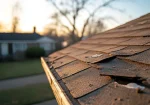
Concrete is strong, but it is not immune to ageing. Once moisture reaches the steel reinforcement inside, problems accelerate. The steel expands as it corrodes, pushing against the concrete. This leads to chipping, flaking, or exposed steel, a condition commonly seen on older roofs.
Spalling concrete repair becomes necessary at this point. It is no longer about sealing the surface. Damaged sections need to be treated, repaired, and protected before the structure weakens further. Many homeowners delay action here because the roof still “looks fine” from the ground. That delay often leads to wider damage across multiple tiles.
After Storms, Inspections Matter More Than Usual
Singapore’s weather can be unforgiving. Sudden heavy storms, strong winds, and days of relentless rain place enormous stress on roofs. Even if there is no visible leak, storms can shift tiles slightly or open new gaps.
Scheduling roof waterproofing repair after such weather events is a sensible move. It is similar to servicing a car after a long road trip. Everything may seem normal, but hidden strain builds up. A timely check can catch early issues before they spread.
Age Is a Factor, Whether It Feels Fair or Not
Most concrete tile roofs perform well for decades, but age changes everything. Materials lose flexibility. Old coatings break down. Sealants harden and crack. Homes that are 20 to 30 years old often reach a stage where routine patch-ups stop being effective.
This is where concrete roof waterproofing plays a preventative role against. Renewing the waterproof layer extends the roof’s lifespan and helps avoid recurring leaks. It also improves overall thermal comfort indoors, something many homeowners appreciate during warmer months.
Indoor Clues That Should Never Be Ignored
Sometimes the roof’s message shows up inside the house instead. Peeling paint, bubbling plaster, or mould patches near ceiling corners are common warning signs. These symptoms suggest water has already made its way in and lingered.
At this stage, roof waterproofing repair should be addressed sooner rather than later. Moisture trapped inside concrete does not dry out easily. Over time, it affects electrical fittings, insulation, and even indoor air quality. What feels like a cosmetic issue can quickly turn into a health concern.
Why Early Action Usually Costs Less
There is a common belief that roof repairs are always expensive. That is only partly true. Smaller interventions, such as targeted spalling concrete repair or resealing vulnerable sections, are far more manageable than full-scale restoration.
Early repairs also reduce disruption. There is less noise, less dust, and fewer days of work overhead. More importantly, they prevent structural issues that are far costlier to fix once allowed to spread.
Conclusion
A concrete tile roof does not need to be flawless to do its job well. It does, however, need attention at the right moments. Small leaks, surface cracks, and early signs of spalling are the roof’s way of asking for help before the damage deepens.
Addressing concerns early with concrete roof waterproofing, timely roof waterproofing repair, and proper spalling concrete repair helps preserve both the roof and the home beneath it. When in doubt, it is always wiser to seek professional advice and arrange an inspection before minor issues turn into major repairs. Contact Eternity Waterproofing to assess the roof’s condition and recommend suitable repair solutions.


-
Gut Renovation in Astoria NY: The Hidden Costs Nobody Puts in the First Quote
You collected three quotes. They looked reasonable. You signed, the walls came ... -
-
-
-