Wildfire Risk And Home Vulnerability
How Homes Ignite During Wildfires
It’s a common misconception that homes only catch fire from direct flames during a wildfire. While that can happen, research shows that most home ignitions are caused by embers. These small, burning pieces of debris can travel for miles on the wind, finding their way into tiny openings around your home. Think about vents, eaves, or even small gaps where siding meets trim. Once inside, these embers can ignite insulation, furniture, or anything else flammable.
Beyond embers, radiant heat from a nearby burning structure or vegetation can also heat your home to its ignition point. This is especially true for materials that aren’t designed to withstand high temperatures. Even if your home doesn’t ignite, smoke can still cause significant damage, leaving behind odors and discoloration.
Factors Increasing Wildfire Risk
Several elements contribute to a home’s vulnerability during a wildfire. These include:
- Proximity to Vegetation: Homes located in or near areas with dense, dry vegetation are at higher risk. This is often referred to as the wildland-urban interface, where natural landscapes meet developed areas. Understanding your home’s specific risk level is a good first step; tools like the Z-FIRE™ wildfire risk model can help insurers assess property-level risk.
- Weather Conditions: Extreme heat, prolonged drought, and strong winds create the perfect storm for wildfires. These conditions dry out vegetation, making it more combustible, and help embers travel further and faster.
- Home Construction and Maintenance: The materials used in your home’s construction, as well as its overall condition, play a significant role. Overgrown landscaping immediately surrounding the house can also act as fuel, bringing the fire closer.
- Homeowner Perception: Sometimes, homeowners may not fully grasp their level of risk, which can impact their preparedness. Recognizing how residents perceive their vulnerability is key to effective community-wide strategies, as noted in discussions about wildfire risk perception.
The Role of Embers and Radiant Heat
Embers are the primary culprits in home ignitions during wildfires. They are essentially floating firebrands that can land on or in your home and start a fire. Their ability to travel long distances means that even homes not directly in the fire’s path are still at risk. This is why sealing up potential entry points is so important.
Radiant heat is another significant threat. It’s the heat energy that radiates from a fire. Prolonged exposure to intense radiant heat can cause building materials to reach their ignition temperature, even without direct flame contact. This is particularly concerning for windows and certain types of siding. Protecting your home means addressing both ember intrusion and radiant heat exposure.
Selecting Wildfire-Resistant Roofing Materials
Roof Vulnerability During Wildfires
The roof is often the most exposed part of a home during a wildfire. Its large surface area makes it a prime target for burning embers, which can easily land and ignite accumulated debris like leaves or pine needles. Even small amounts of debris can become a significant fire hazard. Furthermore, embers can find their way into the attic through vents or gaps, leading to internal fires that are difficult to control. Uncovered eaves and overhangs can also trap heat and embers, increasing the risk of ignition.
Benefits of Non-Combustible Roofing
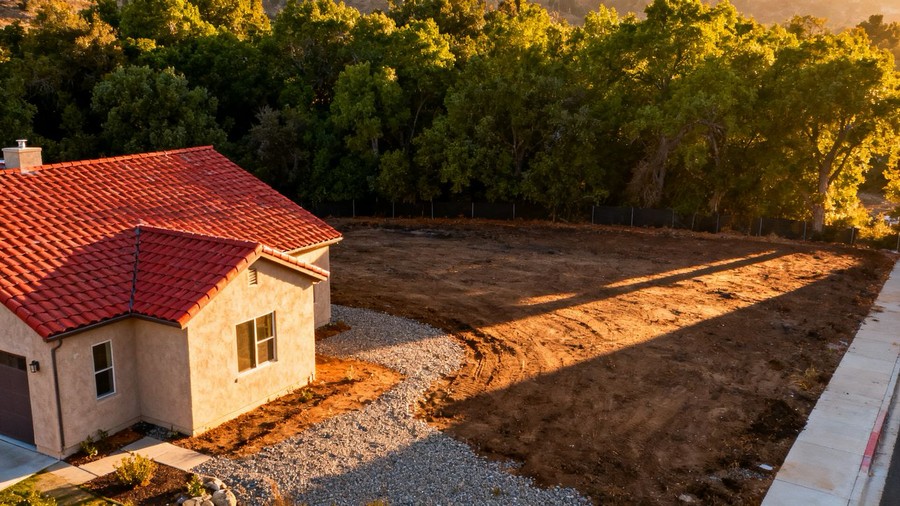
Choosing roofing materials that do not burn is a smart move for homeowners in fire-prone areas. These materials offer a significant layer of protection against the intense heat and flying embers common in wildfires. A non-combustible roof can dramatically reduce the chances of your home igniting from airborne sparks. Beyond fire resistance, many of these materials are also durable and require less maintenance over time compared to traditional options. This can lead to long-term savings and peace of mind. When selecting a roof, look for materials with a Class A fire rating, which is the highest rating available, indicating superior fire protection. Some popular choices include:
- Metal roofing
- Clay or concrete tiles
- Certain types of composite shingles designed for fire resistance
Popular Fire-Resistant Roofing Options
When it comes to keeping your home safe, the roof is a major consideration. Fortunately, there are several excellent fire-resistant roofing materials available that offer both protection and aesthetic appeal. Metal roofing, for instance, is a popular choice because it’s non-combustible and can last for decades. It comes in various styles and colors to match your home’s design. Another strong option is tile roofing, made from clay or concrete. These materials are naturally fire-resistant and can withstand extreme heat. While they can be heavier and more expensive upfront, their longevity and low maintenance are significant advantages. Composite shingles are also an option, but it’s important to select those specifically rated for fire resistance, often designated as Class A. When exploring options, consider consulting with roofing professionals to find the best fit for your specific needs and local climate conditions. You can find more information on selecting the best fire-resistant roofing materials from roofing experts.
Choosing Appropriate Siding For Exterior Walls
The right siding choices can play a big role in defending a house against wildfire. When flames and embers get close, not every material stands up to the challenge. Going for wildfire-resistant siding isn’t just about checking off a safety box; it’s about giving the home a better shot at lasting through a disaster.
Vulnerability of Exterior Walls
Exterior walls take a beating during wildfires, whether from flames, long stretches of radiant heat, or drifting embers. Many traditional siding options—vinyl, wood, and certain plastic types—are combustible or can melt, often leaving the structure underneath exposed. Once that layer fails, the rest of the wall can ignite quickly. Embers and heat can also sneak in through gaps, especially around windows and doors. Even glass might crack from intense heat, which can let fire inside.
A few factors that make walls more prone to damage include:
- Using traditional (combustible) siding materials
- Having gaps or poorly sealed openings near doors and windows
- Property layouts that let vegetation or neighboring buildings get too close to exterior walls
Non-Combustible Siding Materials
Wildfire-resistant homes rely on siding that won’t catch fire easily or melt. Some common choices include:
- Fiber cement siding
- Brick, stone, or stucco
- Metal panels
- Specialized engineered products like fused bamboo siding, which also scores high for sustainability
Fiber cement is a familiar and affordable option, found in many areas and designed to mimic wood styles. Brick, stone, and stucco also perform well when exposed to flames and heat, but installation cost and complexity can sometimes be higher. Metal siding doesn’t fuel a fire and often lasts a long time.
Reducing Ember Intrusion Around Openings
The area around windows, doors, and vents is often where heat and embers slip through, sparking fires inside the walls. To minimize this risk:
- Install tight weather stripping around doors and windows
- Use fire-resistant caulks and sealants for gaps
- Choose tempered glass windows, which handle heat better than regular panes
- Make sure all vents have ember-resistant screens
Taken together, these upgrades turn a home’s exterior into a much stronger shield, making it harder for a wildfire to get inside. Swapping out vulnerable siding for fire-rated options is a change that not only improves safety but can also mean less maintenance down the road.
Protecting Your Home With Fire-Resistant Windows And Insulation
The Impact of Radiant Heat on Windows
When wildfire conditions approach, homes face threats from direct flames and also from intense radiant heat. This heat can cause windows to break, even without direct contact with fire. When glass shatters, it creates an opening for embers and flames to enter the home, significantly increasing the risk of ignition. This is why selecting the right window type is so important for home safety.
Benefits of Tempered Glass Windows
Tempered glass is a much better choice for homes in fire-prone areas. Unlike regular glass, tempered glass is treated to be stronger and more resistant to breaking from heat or impact. Dual-paned windows made with tempered glass offer superior protection against radiant heat and can help prevent catastrophic failure. Beyond safety, these windows also provide better insulation, which can lead to energy savings throughout the year. For homes in wildfire zones, looking into fire-resistant windows designed for California wildfire zones can provide specific advantages.
Non-Combustible Insulation Materials
Insulation plays a key role in a home’s overall fire resistance. Traditional insulation materials can sometimes contribute to a fire’s spread if ignited. Opting for non-combustible insulation is a smart move. Some common and effective options include:
- Mineral Wool: This material is made from rock or slag and is naturally fire-resistant.
- Fiberglass: While it can melt at very high temperatures, fiberglass is generally considered non-combustible and can withstand significant heat.
- Fire-Rated Foam Insulation: Specialized foam products are available that have been treated to resist ignition and slow the spread of flames.
Choosing these materials helps create a more robust barrier against fire, complementing the protection offered by fire-resistant windows and other building components. Many modern window options, like those from Pella, also focus on combining safety with enhanced insulation and energy efficiency.
Incorporating Wildfire-Resistant Features In Decks And Fences
Risks Associated with Traditional Deck Materials
Decks, while wonderful for outdoor living, can unfortunately become a significant fire hazard. Traditional decking materials, especially wood, are quite flammable. Embers carried by the wind can easily land on a deck, particularly in the gaps between boards or in accumulated debris like leaves and pine needles. Once ignited, a burning deck can act like a bridge, spreading flames to the house itself or subjecting windows and walls to intense radiant heat. Fire can also start underneath the deck if nearby vegetation ignites.
Alternatives for Fire-Resistant Decks and Fences
Fortunately, there are better options available. When selecting materials for your deck, consider composites or specially treated woods designed for fire resistance. Some composite decking options are made from advanced polymers that resist ignition and slow flame spread. For instance, materials like Trex Refuge decking are engineered with fire safety in mind. Another excellent choice is bamboo, which can achieve a high fire rating naturally. Choosing non-combustible or fire-resistant materials is a key step in making your outdoor structures safer.
Maintaining a Defensible Zone Around Structures
Beyond the materials themselves, how you manage the area around your decks and fences is critical. Creating a defensible zone is about more than just aesthetics; it’s a safety measure. This involves:
- Clearing away dead vegetation, leaves, and other flammable debris from the deck surface and underneath it.
- Ensuring fences are made of non-combustible materials or are spaced adequately from the house.
- Maintaining a clear, non-combustible area around the perimeter of your home and deck, extending at least five feet. This can involve using gravel or rock instead of mulch near the structure.
Cost Considerations For Wildfire-Resistant Home Materials
When planning to upgrade your home with wildfire-resistant materials, it’s natural to consider the financial aspect. While the upfront investment might seem higher, a closer look reveals a more nuanced picture. The cost of building a new home with wildfire-resistant features is often comparable to, and sometimes even less than, constructing a traditional home. Studies analyzing construction expenses for a typical three-bedroom home found that incorporating fire-resistant materials for the roof, exterior walls, windows, and decks resulted in a negligible cost difference, and in some cases, even a slight savings. This is partly because some highly effective wildfire-resistant materials, like fiber cement siding, are already cost-competitive with traditional options like wood. For instance, using fiber cement siding instead of cedar plank siding can actually reduce the overall cost of exterior wall construction.
However, certain components might see an increase. Wildfire-resistant roofing modifications, for example, can add to the expense compared to standard asphalt shingles. Yet, it’s important to weigh these initial costs against the long-term benefits. Many fire-resistant materials boast a longer lifespan and require less maintenance than their conventional counterparts. This means fewer repairs and replacements over the years, potentially offsetting the initial price difference. Furthermore, investing in a home built with these materials can positively impact your home insurance premiums. Insurers often recognize the reduced risk associated with fire-resistant construction, which can lead to lower annual costs.
For homeowners looking to retrofit an existing property, the cost can vary more significantly depending on the scope of work. However, these upgrades can often be prioritized and tackled in phases.
- Roofing: Modifications to roofs, vents, and gutters can represent a notable cost increase, but materials often last longer.
- Exterior Walls: While some fire-resistant siding options are cost-effective, others might add expense. However, the durability and low maintenance of materials like fiber cement are significant advantages.
- Windows and Doors: Upgrading to tempered glass and better sealing can improve energy efficiency alongside fire resistance.
- Decks and Landscaping: Using fire-resistant decking materials and creating defensible space with non-combustible landscaping elements like rock can add to the initial cost but reduce long-term maintenance and risk. Research into specific material pricing can provide a clearer picture for your project detailed cost estimates.
Ultimately, the investment in wildfire-resistant materials is an investment in the safety and longevity of your home. While initial costs are a factor, the long-term savings, reduced maintenance, and potential insurance benefits make it a financially sound decision for many homeowners in fire-prone areas. The overall increase in construction costs for a wildfire-resistant home is often less than 3%.
Helpful Resources
- NFPA
- Foley and Bezek Law
- Wildfire Resources
- Firelitigation.org
- Matthews and Associates
- National Fire Service
- Robins Cloud Law
- Fire Help Center
- Ready for the Future


-
Create a Backyard Designed Around Your Lifestyle
A swimming pool can turn an ordinary backyard into a place for ... -
-
-
-