What Are the 7 Elements of Interior Designing: Facts Unfold
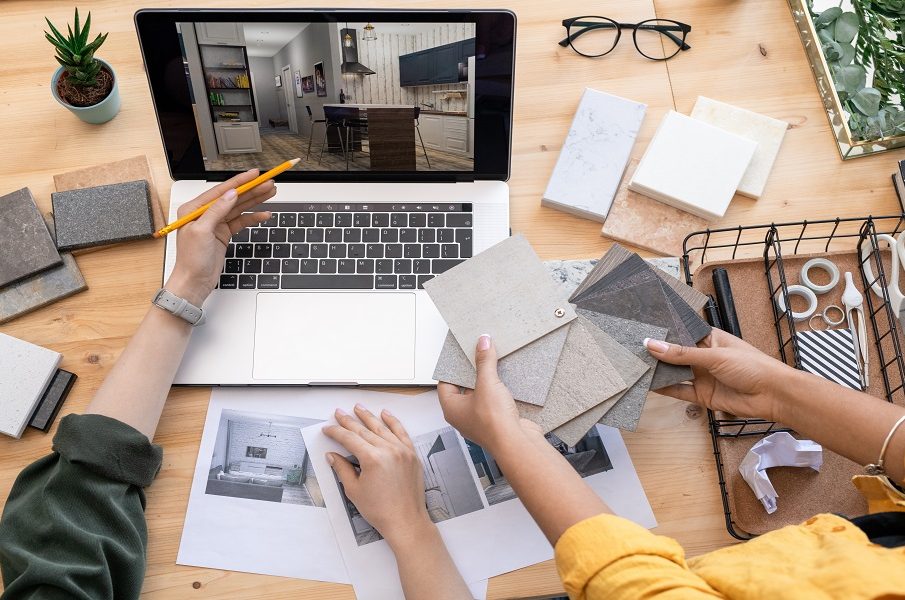
Contemporary designer pointing at home interior example on laptop display while consulting with colleague holding linoleum samples
Interior designing is not just about designing the space, but rather it’s about aesthetically designing without considering the functionality of the space. Nowadays, interior design is in demand because it offers a pleasing appearance, usability, and positive vibes. However, if we delve deeper into interior design, certain components are unavoidable in a fully working area.
In this article, we will cover the 7 main elements of interior design and why these are the primary things to consider when designing the interior space of any building.
What Are the 7 Elements of Interior Designing?
The 7 elements of interior designing:
- Space
- Line
- Form
- Colour
- Texture
- Light
- Pattern
Whether you are designing a small space or a vast apartment, mastering these 7 elements of interior design helps to provide a perfect and cohesive structure.
Space: Space is often viewed as the most critical component in interior design because it serves as the base for each design decision made. Interior design is not just about adding furniture or décor to a room; it begins with how you assess, understand, and properly plan for the specific limitations of the area you are designing. For example, before selecting colour, material, or furniture, a designer must carefully assess the physical dimensions (size, shape, height, layout) and natural lighting of the room and make plans accordingly to create a comfortable, functional, and well-circulated floor plan in order to achieve successful space planning.
Line: Line is one of the most important components of interior design because it provides a framework for the layout and direction of a room. Architectural elements, furnishings, ceilings, windows, and decorative accessories all generate lines within an interior space, which can lead the viewer’s eye in a particular direction and create visual flow. Vertical lines will have a formalizing effect on a space and make it seem taller, while horizontal lines will calm and stabilize it. Dynamic lines can bring movement and energy to a space. Lines can also help create balance, proportion, and mood in an interior space by determining the physical relationship between objects and how they are viewed.
Form: Interior design is all about form; form represents the shape and structure of all objects within a given area. Without form, objects within the interior would have no visual identity or physical presence. Forms can be geometric, like squares and circles, or organic; organic forms have a more natural appearance, appear to flow freely, etc. The form of a piece of furniture, architectural element, or decorative element determines how something is placed within the interior; how well it provides balance, proportion, and harmony.
Colour: The colour scheme of a room is extremely important since it determines how you feel as well as the atmosphere of the room. Depending on the colour scheme, you can change the size of the room, the warmth or coolness of the room, or even create energy or calmness in the space you are occupying. In addition to creating feelings and atmosphere, colour also brings balance and harmony to your interior through highlights of feature areas (focal points) and the connection of disparate elements through the use of complementary colours.
Texture: Interior design incorporates texture to give a sense of depth, character, and sensory fullness to a space. It can impact both the appearance and feeling of a room by using different textures (for example, smooth, rough, soft, shiny). Designers will mix multiple types of texture in materials, fabrics, and finishes to create contrasts, balance, and visual interest in the space. By using these techniques, interior designers help to create inviting and visually dynamic interiors.
Light: Light is an important factor to consider when designing interiors as it provides visibility, defines boundaries, and can affect our mood. Natural light makes the colours, textures, and shapes of your room visible by adding greater depth and warmth (both), natural and electric provide light. Having appropriate illumination in a room makes the room more usable, provides the right atmosphere, and creates points of interest, so it is important to consider all types of light for their beauty and comfort.
Pattern: One of the most important aspects of interior design is pattern, as this component adds visual interest, rhythm, and character to a room. As patterning in fabrics, wall coverings, flooring, or decor is built up through repetition, it creates the suggestion of motion and adds to a room’s depth. Patterns can help to bring all elements of a room together, provide continuity in theme, and prevent a space from feeling like an uninteresting space.
To establish productive and visually harmonious environments, a thorough comprehension of the fundamental principles of interior design (space, line, form, colour, texture, light, and pattern) must come first. To truly utilise these principles effectively, it is recommended to have an experienced mentor and practical applications of this knowledge. NIF Global Saltlake provides an interior design course in Kolkata. Students receive industry-oriented education along with practical experience and training required to help them achieve success in the field of interior design. If you are looking for thebest interior design college in kolkata or remain interested in receiving formal training within the profession, then look no further than NIF Global Saltlake.


-
Why Is Your Air Conditioner Running but Not Cooling the House?
There are few things more frustrating than hearing your air conditioner hum ... -
-
-