How Preventive Plumbing Maintenance Helps Homeowners Avoid Costly Repairs
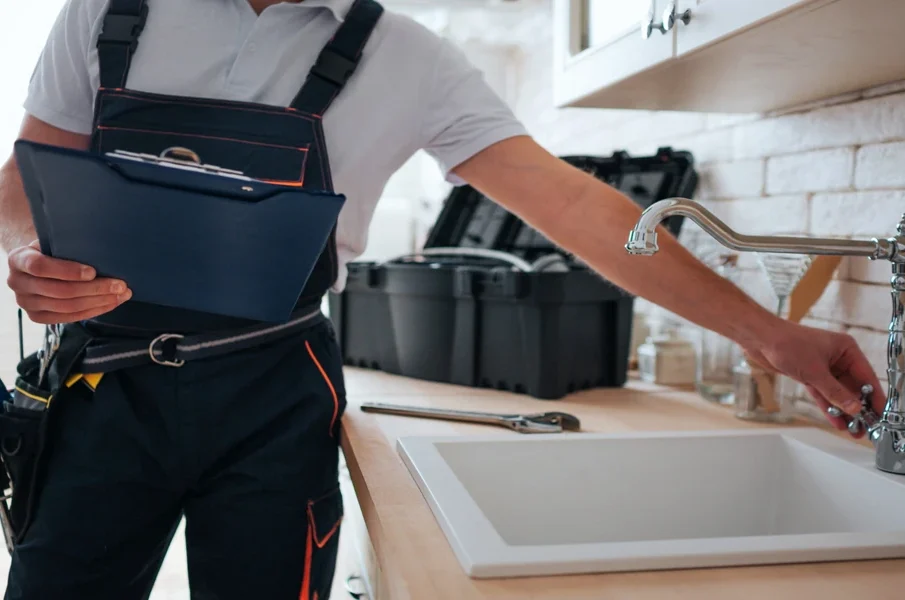
Most homeowners rarely think about their plumbing system until something goes wrong. A dripping faucet, clogged drain, or burst pipe often demands immediate attention, but many of these issues develop gradually over time. Preventive plumbing maintenance is one of the most effective ways to reduce unexpected repairs, extend the lifespan of plumbing fixtures, and keep a home’s water system operating efficiently year after year.
Every plumbing system experiences normal wear and tear. Water constantly flows through pipes, valves open and close thousands of times, and fixtures are used every day. As components age, small problems begin to develop. While these issues may seem minor initially, they often become larger and more expensive if they are ignored. Regular maintenance allows homeowners to identify potential concerns before they lead to significant water damage or plumbing failures.
One of the most valuable maintenance tasks is inspecting exposed plumbing throughout the home. Pipes located in basements, utility rooms, crawl spaces, and under sinks should be checked periodically for signs of corrosion, moisture, mineral buildup, or slow leaks. Even a tiny drip can waste hundreds of gallons of water each year while creating conditions for mold growth and structural damage.
Water pressure also plays an important role in maintaining a healthy plumbing system. Excessively high water pressure places unnecessary stress on pipes, water heaters, supply lines, and plumbing fixtures. Over time, this added pressure increases the likelihood of leaks and premature equipment failure. A simple pressure test can determine whether adjustments are needed to help protect the entire plumbing system.
Drain maintenance is another important aspect of preventive care. Kitchen sinks frequently collect grease, soap residue, and food particles that slowly reduce water flow. Bathroom drains often accumulate hair, soap scum, and other debris that eventually create stubborn clogs. Rather than relying on harsh chemical drain cleaners, homeowners benefit from regular drain cleaning methods that safely remove buildup without damaging plumbing pipes.
Water heaters deserve routine attention as well. Sediment naturally settles inside tank-style water heaters, particularly in areas with hard water. As sediment accumulates, the heater becomes less efficient, works harder to produce hot water, and may experience a shorter service life. Flushing the tank periodically removes much of this buildup and helps the system operate more efficiently while reducing energy consumption.
Fixtures such as faucets, toilets, and showerheads should also be inspected regularly. Small leaks often begin with worn washers, seals, or internal valves that are inexpensive to replace when addressed early. Running toilets, for example, can waste thousands of gallons of water annually while increasing utility bills without homeowners realizing the source of the problem.
Seasonal changes create additional challenges for plumbing systems. During winter, exposed pipes located in unheated areas may freeze if they are not properly insulated. Frozen pipes can expand and eventually burst, leading to significant water damage when temperatures rise. Preparing plumbing systems before freezing weather arrives greatly reduces this risk and helps homeowners avoid emergency repairs.
Outdoor plumbing should not be overlooked either. Hose bibs, irrigation systems, and exterior water lines experience constant exposure to changing weather conditions. Inspecting outdoor fixtures for leaks, cracks, or damaged connections before and after each season helps maintain reliable operation while preventing unnecessary water loss.
Water quality can also influence the longevity of a home’s plumbing. Hard water contains dissolved minerals that gradually accumulate inside pipes, faucets, appliances, and water heaters. Mineral buildup restricts water flow, reduces efficiency, and contributes to premature wear on plumbing components. Installing appropriate water treatment equipment where needed can minimize these effects and help extend the life of the entire plumbing system.
Professional inspections provide homeowners with an added level of confidence. Experienced plumbers can evaluate areas that may not be easily visible while identifying early signs of deterioration before major failures occur. They can recommend repairs, upgrades, or maintenance procedures that improve reliability and reduce the likelihood of unexpected plumbing emergencies. Homeowners searching for dependable Indianapolis plumbing services often find that routine maintenance appointments save considerably more money than waiting for emergency repairs after significant damage has already occurred.
Ultimately, preventive plumbing maintenance is an investment in the long-term health of a home. Small inspections and routine service appointments can prevent major disruptions, improve water efficiency, extend equipment lifespan, and reduce repair costs over time. By caring for the plumbing system before problems arise, homeowners enjoy greater peace of mind, lower utility bills, and a reliable water system that continues serving their family for many years.


-
Gut Renovation in Astoria NY: The Hidden Costs Nobody Puts in the First Quote
You collected three quotes. They looked reasonable. You signed, the walls came ... -
-
-
-