
Why Showrooms Still Matter When Planning a New Kitchen or Bathroom
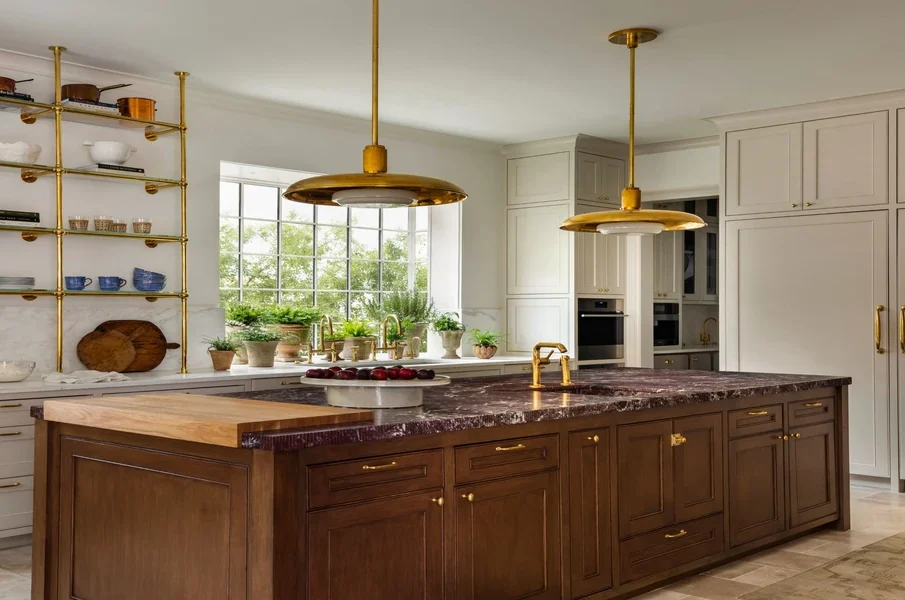
When planning a new kitchen or bathroom, it is tempting to do everything online. Inspiration galleries, social media, product pages and digital brochures can all help you gather ideas quickly. They are useful starting points, especially when you are trying to understand different styles, finishes and price points. However, there is still no real substitute for seeing products in person, speaking to experienced designers and getting a proper feel for the space you want to create.
That is why showrooms continue to play such an important role in home improvement projects. Whether you are exploring kitchen showrooms for layout inspiration or comparing bathroom showrooms to understand your options, a showroom visit can give you clarity that is difficult to achieve from a screen alone.
Seeing the Quality Up Close
One of the biggest advantages of visiting a showroom is the ability to assess quality properly. Online images can make almost anything look attractive, but they cannot show you how a cabinet door feels when it closes, how a worktop reflects light, or whether a bathroom suite feels as durable as it appears.
In a showroom, you can touch materials, compare finishes and see how colours change under different lighting conditions. This is particularly helpful when choosing items that need to work together visually, such as tiles, brassware, vanity units, shower enclosures, flooring and fitted furniture. Even small differences in tone, texture or sheen can affect the finished result.
For kitchens, this might mean comparing matt and gloss cabinet finishes, testing drawer mechanisms or examining the thickness of worktops. For bathrooms, it could involve looking at the shape of a bath, the height of a basin, the comfort of a toilet or the practicality of a walk-in shower screen. These details matter because they influence both the look and daily usability of the room.
Understanding How a Space Could Work
A good showroom is about far more than products; it is about possibilities. Many homeowners begin a renovation with a rough idea of what they like, but they may not know how to turn that idea into a practical design. Seeing full room displays can help bridge that gap.
A showroom allows you to understand proportions, storage options and layout choices more clearly. You can see how different elements sit together and how design decisions affect the way a room feels. This is especially useful in bathrooms, where space is often limited and every centimetre needs to be considered carefully.
For example, a compact cloakroom requires a very different approach from a large family bathroom. A busy household may need generous storage, easy-clean surfaces and hard-wearing fittings, while an ensuite may call for a calmer, more luxurious feel. Seeing real-life displays can help you visualise what is achievable in your own home.
The same applies to kitchen planning. A showroom can demonstrate how islands, tall storage, integrated appliances and lighting schemes work in practice. It can also help you understand the relationship between preparation areas, cooking zones and social spaces.
Getting Expert Guidance
Another major benefit of visiting a showroom is access to professional advice. Renovating a kitchen or bathroom involves many decisions, and some of them can be difficult to judge without experience. A showroom consultant or designer can help you avoid common mistakes, explain product differences and recommend solutions that suit your budget and lifestyle.
This guidance can be especially valuable when you are balancing style with practicality. A product may look appealing online, but it might not be the best fit for your room, plumbing requirements or long-term maintenance expectations. An experienced advisor can help you think through these details before you commit.
They can also introduce options you may not have considered. This might include space-saving furniture, more efficient layouts, alternative finishes, accessible design features or products that offer better value for money. Good advice can prevent costly changes later and make the whole renovation process smoother.
Comparing Styles in a Real Setting
Home interiors are highly personal, and it is not always easy to know which style will work best until you see it in context. A showroom gives you the chance to compare traditional, modern, minimalist and luxury designs in a more realistic way.
For bathrooms, this could mean seeing the difference between a contemporary wall-hung vanity and a more classic freestanding unit. You might compare chrome, brushed brass or matt black fittings, or decide whether large-format tiles create the right effect for your space. For kitchens, you might find that a colour you had dismissed online feels warm and elegant in person, or that a door style you liked digitally feels too heavy for your home.
These comparisons are much easier to make when products are displayed together. Rather than relying on separate images from different suppliers, you can see how finishes, lighting and proportions interact in one complete setting.
Making Better Long-Term Decisions
A kitchen or bathroom is a significant investment, so it is worth taking the time to make considered decisions. Trends can be useful for inspiration, but the best rooms are designed around how people actually live. Visiting a showroom encourages you to think beyond appearance and consider comfort, practicality, storage, maintenance and durability.
It also helps reduce uncertainty. Many homeowners feel more confident once they have seen products in person and spoken through their ideas with someone knowledgeable. This confidence can make the project feel more manageable, particularly if you are renovating for the first time.
A well-planned showroom visit can also help you refine your budget. By comparing products directly, you can decide where to invest more and where to keep things simple. For example, you may choose to prioritise high-quality brassware, durable furniture or a statement bath, while selecting more cost-effective options elsewhere.
Preparing for Your Showroom Visit
To get the most from your visit, it helps to arrive with a few basics prepared. Measurements, photos of the existing room and a rough idea of your budget can make the conversation more productive. It is also useful to bring inspiration images, even if they are varied, as they can help a designer understand your taste.
Think about how the room needs to function day to day. Who uses it? What currently frustrates you? Do you need more storage, better lighting, easier cleaning or improved accessibility? These practical considerations are just as important as style.
You do not need to have all the answers before you visit. In fact, one of the main reasons to go to a showroom is to explore the options available and narrow them down with expert help.
Final Thoughts
Online research is a valuable part of planning any renovation, but it should not be the only step. A showroom gives you a more complete understanding of quality, design, layout and practicality. It allows you to experience products properly, ask informed questions and make choices with greater confidence.
Whether you are updating a compact bathroom, creating a luxury ensuite or planning a full kitchen transformation, visiting a showroom can help turn early ideas into a well-considered design. For homeowners who want a finished space that looks good, works well and stands the test of time, that in-person experience remains extremely valuable.


-
Christmas Decorating Ideas for Small Spaces: A Festive Home Without Clutter
The best Christmas decorating ideas for small spaces include slim artificial Christmas ... -
-
-
-