Texas Homeowners’ Seasonal Sprinkler Maintenance Checklist
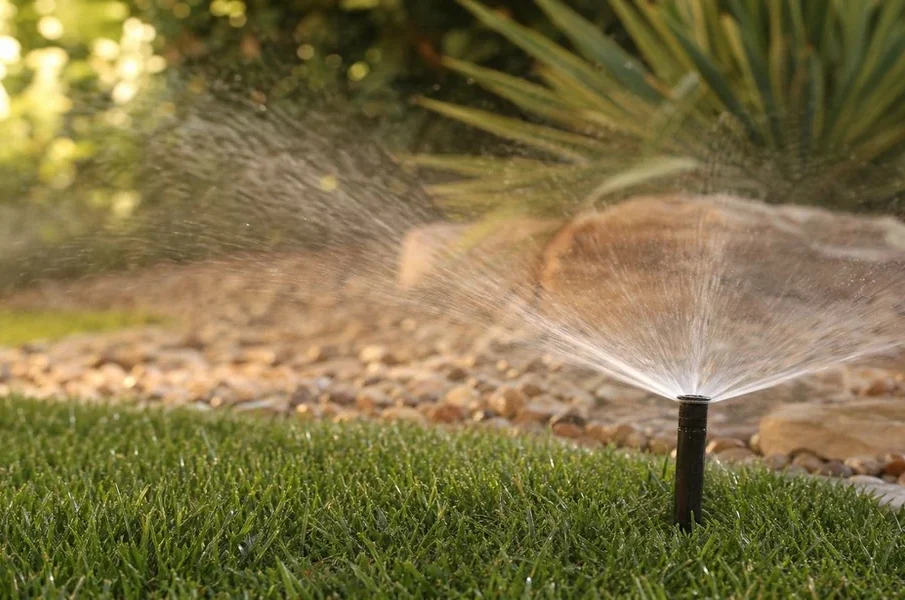
Sprinkler system maintenance doesn’t need to be complicated, but in Texas it’s definitely not something you can leave automatically. One month brings intense heat and another delivers unexpected storms, sometimes followed by dry spells or, in some areas, the occasional surprise freeze.
A well-maintained irrigation system delivers water where plants need it, helps avoid dry or soggy areas, and saves you from surprises like costly emergency leak repairs. Here’s how to adjust your seasonal sprinkler system maintenance to changing Texas conditions. Check this out.
Spring Walk-Through
Before plants really start growing:
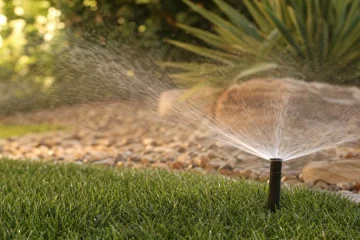
- Activate each zone and observe for poor coverage or other issues. If your system includes emitters, check each plant.
- Note anything that’s leaking, blocked, bent, or not performing as it should.
- Compare the watering schedule in your controller to your current needs. You should be starting anew each season with settings that are up to date.
- Check that sprinkler heads pop up all the way during irrigation. If they don’t, they may need unclogging or replacement. Heads should also sink back down after watering; if they don’t, they could get hit by the lawn mower or other damage.
- Carefully check for debris around heads and clean it away if necessary. There could be pipes and wires near the heads, and much of the system is often just a few inches below the surface.
Even a green, seemingly happy lawn could be suffering from irrigation problems. Here are a couple:
- Water isn’t evenly distributed: The cause isn’t always broken sprinkler heads. Nozzles could be the wrong match, water pressure might have changed, or other landscape plants could have grown to disrupt distribution.
- Water doesn’t seem to soak into the ground: It could be an issue with soil compaction.
Summer Heat Adjustments
It may be time to increase the amount of time your irrigation system waters the landscape during peak growing season, but longer doesn’t always equal better. Even if you can visually verify that water is reaching all landscape areas, that doesn’t necessarily mean that it’s soaking into the ground where it can be accessed by plant roots. Here are a other heat season considerations:
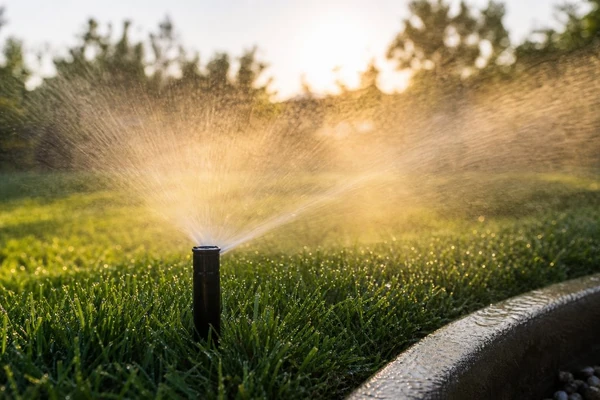
- Early morning is generally the best time to water, giving plants a boost before peak heat of the day.
- Observe whether water is pooling or running downhill on slopes and compacted or hard surfaces. If it starts to visibly run downhill or otherwise away from where it was supposed to soak in, the soil may prefer two shorter sessions with time in between for water to soak in.
- Try this sprinkler head test for water coverage issues: Set a couple of shallow containers (like yogurt containers) in various places in an irrigation zone and run that zone for 20 minutes. Compare water levels when complete. Uneven amounts can point to issues such as uneven sprinkler head placement, clogged nozzles, and changes in water pressure.
- Keep in mind that different landscape plants might need more or less watering than the lawn and could even perform better with a different style of irrigation.
Storm Follow-Ups
Your system could need some TLC after a Texas downpour or storm, too:
- Inspect for sprinkler heads with debris resting on them and emitters knocked out of place. There could also be other system damage below the surface.
- Scale back watering with your controller until you can properly assess the needs of plants. Overwatering can lead to root rot and disease in thick turf.
- Walk your property looking for unusually soggy spots. Once the soil should have dried out following rain, it’s normal for compacted areas to stay wet a little longer. But if an area remains noticeably more spongy than others, you could have a leak or a sprinkler system valve that isn’t closing tightly.
Winter Checks
If your area receives freezing temps, you need a different sprinkler system maintenance game plan for this season. Otherwise, as plants’ water demands decrease and daylight hours shorten:
- Dial back on the frequency of your watering. It’s likely you won’t need midsummer settings once the weather cools off.
- Remove fallen leaves or debris that have collected in sprinkler heads, exposed pipes, valves, and backflow prevention device.
- Before it gets below freezing, ensure the backflow prevention device and any above-ground pipes and fixtures are protected from freezing conditions. As water freezes it expands, which can lead to system damage.
- Never run the system in freezing temps or while the ground is frozen.
Dormant-Phase Checkups
You should check on your system in its dormant phase after freezes, storms, and after hiring a professional to do other work on it; the maintenance page from the team at Moore Irrigation Services is at https://www.mooreirrigationservices.com/all-services/sprinkler-system-maintenance for reference. Shifting ground, weather events, and growing tree roots could have resulted in damage below the surface.
Easier Inspections
Jot down sprinkler system issues as you find them. Note problem spots, controller changes, sprinkler heads needing replacement, soggy areas, and anything that might recur. Observations will help you better address problems and patterns in future.
If you know you’ll be making seasonal changes soon, walk the property activating each zone. Circle problem sprinkler heads with chalk as you find them so it’ll be easy to attend to them later.


-
Texas Homeowners’ Seasonal Sprinkler Maintenance Checklist
Sprinkler system maintenance doesn’t need to be complicated, but in Texas it’s ... -
-
-