Why Is Your Air Conditioner Running but Not Cooling the House?
There are few things more frustrating than hearing your air conditioner hum along on a hot afternoon while the house keeps getting warmer. The fan is spinning, the vents are blowing, and yet the air feels lukewarm at best. Before you assume the whole system needs replacing, it helps to know that most cooling problems come from a short list of causes, and several of them are easy to spot. This guide walks through the usual suspects, what you can check on your own, and when the job belongs to a trained technician.
What does it mean when your AC runs but the air feels warm?
When an air conditioner runs without cooling, it means the system is moving air but not removing heat from it. Cooling depends on three things working together: steady airflow across the indoor coil, enough refrigerant to absorb heat, and an outdoor unit that can release that heat outside. If any one of these fails, the blower may keep running while the air coming out of your vents stays warm.
The pattern of symptoms often points to the cause. Weak airflow suggests a clogged filter or blocked ducts. Airflow that feels strong but warm points more toward refrigerant, coil, or outdoor unit trouble. Noticing which one you have makes every step after this easier.
Could a dirty air filter be the cause?
A dirty filter is the most common and cheapest problem to fix. Dust and pet hair build up until air struggles to pass through, which reduces cooling and forces the system to work harder. In bad cases, restricted airflow lets the indoor coil get so cold that it freezes over, and a frozen coil cannot cool anything.
According to the U.S. Department of Energy’s guide, Maintaining Your Air Conditioner, replacing a dirty, clogged filter with a clean one can lower your air conditioner’s energy use by 5% to 15%. Slide your filter out and hold it up to a light. If you cannot see light through it, replace it. Most homes do well with a fresh filter every one to three months, and sooner if you have pets or allergies.
Are dirty coils and a blocked outdoor unit to blame?
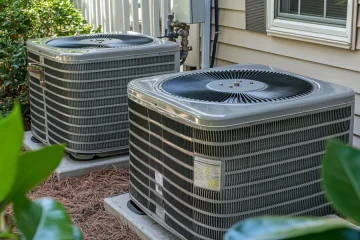
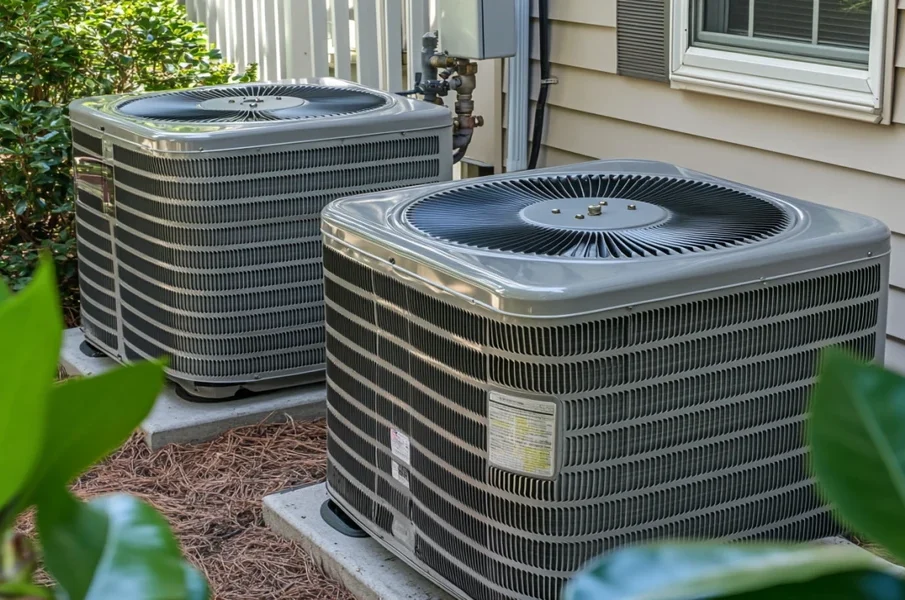
The outdoor condenser unit has to shed the heat pulled from your home. If it is surrounded by overgrown shrubs, piled leaves, or grass clippings, it cannot do that job well. Give the unit at least two feet of clear space on every side, and trim back anything that crowds it.
Dirt matters too. A layer of grime on the condenser coil acts like a blanket and traps heat. With the power switched off at the disconnect, you can rinse the outside of the unit gently with a garden hose to remove surface dirt. Do not use a pressure washer, since the thin metal fins bend easily and bent fins restrict airflow. Never open the unit’s panels unless you are qualified, because capacitors can hold a dangerous charge even when the power is off.
What if the thermostat is the problem?
Sometimes the system is fine and the control is not. Check that the thermostat is set to cool, that the temperature is set several degrees below the current room temperature, and that the fan is set to auto rather than on. A fan left on continuously can push warm, humid air through the ducts between cooling cycles and make the house feel muggy.
Dead batteries can also cause odd behavior in many models. If the display is blank or dim, replace them. If your thermostat sits in direct sunlight or near a heat source such as a lamp or kitchen wall, it may read a false temperature and shut the system off too early. Moving it or shading it can solve the problem.
When should you call a professional instead of fixing it yourself?
Filters, thermostats, and a tidy outdoor unit are fair game for any homeowner. Once those checks are done and the air is still warm, the cause is probably inside the sealed refrigerant system or in an electrical component, and that is not a place for guesswork. A qualified HVAC company like Polar Pros AC & Heat can measure refrigerant pressure, test electrical parts, and inspect the indoor and outdoor coils with the right gauges and training, so the real fault gets fixed the first time.
Call for help right away if you see ice on the refrigerant lines, hear grinding or squealing, smell burning, or notice the breaker tripping repeatedly. Running a struggling system for days can turn a small repair into a compressor failure, which is far more expensive.
What if low refrigerant or a failing part is behind it?
Refrigerant is not used up like fuel. If your system is low, there is a leak somewhere, and simply adding more is only a temporary patch. A technician should locate and repair the leak, then recharge the system to the manufacturer’s specification. Federal rules also require certified technicians to handle refrigerants, so this is never a do it yourself job.
Other parts can quietly fail as well. A weak capacitor may keep the fan spinning while the compressor never starts. A failing compressor, a faulty contactor, or a damaged blower motor can each produce the same “running but not cooling” complaint. Because the symptoms overlap, proper diagnosis saves money compared with replacing parts by trial.
How can you keep the problem from coming back?
A few habits go a long way. Change your filter on schedule, keep the outdoor unit clear, and keep supply and return vents uncovered by furniture or rugs. Schedule a professional maintenance visit once a year, ideally in spring before the cooling season begins, so small issues are caught before the first heat wave. The Department of Energy also recommends keeping coils, fins, and the condensate drain clean as part of regular upkeep, which a technician will do during a standard visit.
Sealing and insulating your ducts is another smart upgrade. Leaky ducts in an attic or crawl space can lose a large share of your cool air before it ever reaches a room, which makes even a healthy system feel underpowered.
Final thoughts
An air conditioner that runs without cooling is rarely a mystery once you work through the basics. Start with the filter, thermostat, and outdoor unit, since those fixes cost little and take minutes. If the problem remains, stop and bring in a professional rather than risk damage to the equipment or yourself. Catching the issue early keeps your home comfortable, your energy bills under control, and your system running for many more summers.



-
Why Is Your Air Conditioner Running but Not Cooling the House?
There are few things more frustrating than hearing your air conditioner hum ... -
-
-