Does Your Furnace Quit Before the House Warms Up
A heating system that runs continuously without reaching the setpoint usually has a different problem from one that starts, runs briefly and shuts down before finishing a cycle. Constant running points toward a system that cannot deliver enough heat, often from restricted airflow, weak burner output or heat escaping faster than it is replaced. Stopping early, known as short cycling, often means a safety control is shutting the equipment down on purpose.
Schaumburg winters make the sorting more urgent. Northwest suburban cold snaps keep furnaces and boilers working for long stretches, drifting snow can cover sidewall vent pipes, and losing heat on a subzero night quickly raises the risk of frozen plumbing. Knowing which observations are safe for a homeowner and which belong to a trained technician means a call for heating repair starts with useful details instead of guesswork.
When the checks below point past the thermostat and filter, Schaumburg heating repair from the Itasca based team at indoorcomfortheat-cool.com covers both furnace repair and boiler repair as part of its residential heating services. The same residential heating work includes routine heating system maintenance aimed at catching worn parts before a midwinter shutdown. Homeowners who notice any warning sign described here can schedule a professional heating service visit before the next cold stretch.
Stage One: Settings and Supplies
Many complaints begin at the thermostat. A system switched off, a schedule that lowers the temperature at the wrong hours, or a fan set to continuous can all look like equipment trouble. Continuous fan mode moves air between heating cycles, so vents blow room temperature air that feels cold.
A clogged filter starves a furnace of airflow, heat builds up, and a high limit switch shuts the burners off. The result is short cycling that often disappears once the filter is replaced. The Illinois Office of the State Fire Marshal urges residents to have furnaces checked, change filters frequently and test carbon monoxide alarms at least once a month during the heating season.
Safe preliminary checks at this stage:
- Thermostat set to heat, with the setpoint above current room temperature
- Fan setting on auto rather than continuous
- Fresh batteries if the display looks dim or blank
- Filter inspected and replaced if it looks gray or packed with dust
Stage Two: Airflow and Uneven Rooms
Return grilles hidden behind sofas or under rugs restrict how much air the blower can pull back, reducing heat delivery everywhere. Closed bedroom doors without a return path can leave those rooms cooler.
Rooms at the end of long duct runs, upper floors and spaces above garages also tend to lag. Closing registers in unused rooms rarely sends useful heat elsewhere, and persistent hot and cold zones call for a technician’s airflow assessment.
Stage Three: Cycling, Cold Air and Blower Trouble
Short cycling that continues with a clean filter can point to a dirty flame sensor, an overheating heat exchanger, a thermostat mounted near a heat source or equipment mismatched to the home.
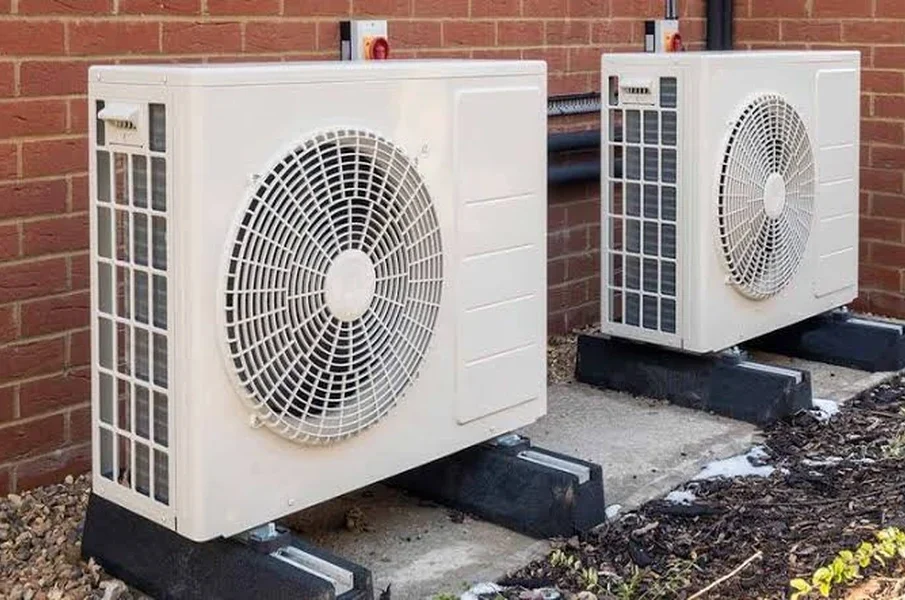
Cold air from vents means different things by system. In a furnace, it can signal failed ignition with the blower still running. Heat pump air normally feels milder than furnace air, and during defrost the outdoor unit may release steam while indoor air turns briefly cooler, though a unit buried in snow or encased in ice cannot move heat properly. Boilers have no blower or supply vents, so their symptoms show up instead as cold radiators, gurgling pipes or a pressure gauge reading outside its usual range.
Blower problems tend to announce themselves:
- Weak or no airflow at every register while the furnace runs
- Squealing, grinding or rattling from the furnace cabinet
- A humming sound with no air movement
Blower motors and wiring are electrical components, so repair belongs with a qualified technician.
Stage Four: Ignition Faults and Heating Shutdowns
A modern furnace starts in sequence. The draft inducer runs, a pressure switch confirms safe venting, the igniter heats, the gas valve opens and a flame sensor confirms the burner lit. A failure at any point ends the attempt, and repeated failures can place the furnace in lockout. Many furnaces show a status light through a small window, and noting its blink pattern without removing panels helps a technician.
In Schaumburg, snow drifts against sidewall intake and exhaust pipes on high efficiency furnaces can trip the pressure switch and stop the system entirely. Keeping exterior vents clear of snow is a safe check, and the fire marshal’s guidance also lists keeping vents free of obstructions. Boiler lockouts and heat pumps that fall back on emergency heat also warrant a service call.
Stage Five: Heat Exchanger and Gas Warnings
The heat exchanger keeps combustion gases out of household air. A crack or corrosion breach can let them into living space, and only a trained technician can inspect it. Carbon monoxide is colorless and odorless, so working alarms on every level of the home are essential.
Warning signs that call for immediate action:
- A carbon monoxide alarm sounding
- Headaches, dizziness or nausea that ease when away from home
- Soot around the furnace or registers
- A smell of natural gas
If carbon monoxide or a gas leak is suspected, everyone should leave the building immediately and call 911 or the gas utility from outside or from a neighbor’s home. No one should attempt repairs to gas connections, combustion equipment or electrical parts.
| Observed symptom | Possible cause | Safe homeowner check | Professional repair path |
|---|---|---|---|
| Runs constantly, never reaches setpoint | Restricted airflow, weak burner output | Replace filter, clear return grilles | Combustion and airflow testing |
| Short cycles | Overheating, dirty flame sensor | Replace filter, check thermostat location | Limit switch and flame sensor diagnosis |
| Cold air from vents | Fan on continuous, ignition failure | Set fan to auto, note status light | Ignition sequence troubleshooting |
| One room colder than others | Long duct run, blocked return path | Open doors, clear grilles | Room by room airflow assessment |
| Furnace stops during snowfall | Blocked sidewall vent pipes | Clear snow from exterior vents | Pressure switch and venting inspection |
| Cold radiators on a boiler | Trapped air, circulation fault | Note pressure gauge reading | Boiler circulation and controls service |
| CO alarm or gas smell | Combustion or gas leak | Leave home, call from outside | Emergency utility and technician response |
Working through these stages in order keeps simple explanations from being overlooked and keeps homeowners away from hazardous components. Noting thermostat settings, filter condition, cycling pattern and any status light code before a technician arrives gives the visit a clear direction.


-
Does Your Furnace Quit Before the House Warms Up
A heating system that runs continuously without reaching the setpoint usually has ... -
-
-
-