How to Choose a Roof Built for Oklahoma Weather
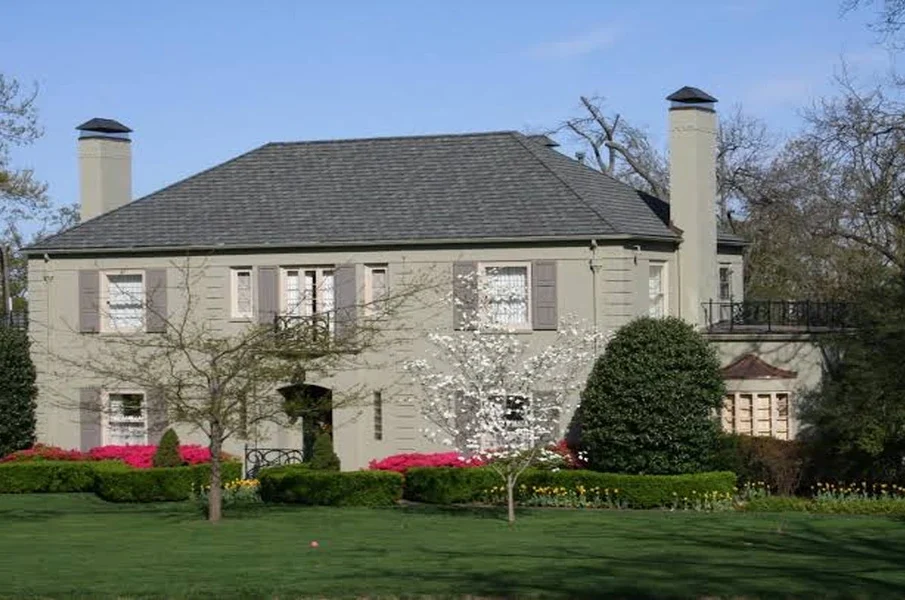
Oklahoma roofs take punishment that roofs in many other states never see. Hail, straight line wind, tornado season and wide temperature swings all work on the same surface year after year. That makes the material you pick, and how it is installed, a bigger decision here than the color of the shingles. A good conversation with a local contractor such as Mission Roofing starts with knowing the options, so here is a plain comparison before you ask for quotes.
Why Oklahoma Is Hard on Roofs
Hail does the most visible damage. It bruises shingles, knocks off protective granules and can crack tile. Wind is quieter but just as costly, because it lifts edges and tears away shingles that were never sealed or fastened well. Repeated freeze and thaw cycles, plus long hot summers, add slow wear on top.
The takeaway is that no roof is hail proof. The better question is how a given roof holds up and what it costs to repair afterward.
Roofing Materials at a Glance
| Material | Hail and wind performance | Typical lifespan | Things to know |
|---|---|---|---|
| Standard asphalt shingles | Fair, bruising and granule loss are common | Often 15 to 25 years | Lowest upfront cost, most frequent replacement |
| Impact resistant asphalt shingles | Better, built to a higher impact rating | Often 20 to 30 years | Ask about the specific impact class and insurer discounts |
| Metal roofing | Strong against wind, may dent in large hail | Often 40 years or more | Check whether your policy covers cosmetic dents |
| Concrete or clay tile | Durable but can crack under heavy hail | Often 50 years or more | Heavy, so the structure must support it |
These ranges are general estimates. Real lifespan depends on installation quality, ventilation and the storms your roof has already lived through.
The Case for Impact Resistant Shingles
For many Oklahoma homeowners, impact resistant shingles are the practical middle path. They cost more than standard shingles but far less than metal or tile, and they are designed to resist cracking from hail. Look for products tested to the highest impact classification, and ask your insurer whether it offers a premium discount, since policies differ.
Metal Roofing: Strong but Not Perfect
Metal handles wind well and lasts a long time, which appeals to people who plan to stay put. The caveat is denting. Large hail can leave marks that do not affect performance but do affect appearance, and some policies treat purely cosmetic damage differently. Read that clause before you commit.
Installation Matters as Much as Material
A premium shingle installed poorly will fail before a basic shingle installed well. Wind damage often starts at the edges, so details like secure decking attachment, properly sealed seams and correct nailing patterns are not optional extras. Ask any contractor how they fasten the deck, which underlayment they use and whether their work follows the manufacturer’s instructions, since warranties often depend on it.
What FORTIFIED Means for Oklahoma Homeowners
The Insurance Institute for Business and Home Safety runs a voluntary program called FORTIFIED Roof, which goes beyond standard building requirements with upgraded installation methods. Oklahoma has built a state program around it. According to the Oklahoma Insurance Department’s announcement about the Strengthen Oklahoma Homes grant program, eligible homeowners can apply for grants of up to $10,000 toward upgrading to the FORTIFIED Roof High Wind and Hail designation, and homes that qualify may receive insurance premium discounts.
A few practical points from that release:
- Grants have been awarded first come, first served as funding allows
- Applicants must have a homestead exemption on file with their county assessor
- The department reported hundreds of homes certified under the program so far
Funding rounds open and close, so check the department’s OKReady page for the current status instead of assuming a grant is available. If you plan a replacement, ask any contractor whether they work with the FORTIFIED process before you sign anything, because certification requires specific steps and inspections.
How to Compare Quotes
Ask each bidder to write down the material and brand, the underlayment, how the deck will be fastened, how rotted decking will be priced, and what the workmanship warranty covers. Verify licensing and insurance yourself, and be careful with anyone who asks for a large upfront payment.
An Honest Closing Note
The best material for your house depends on your budget, your plans for the property, your insurance terms and the condition of your roof structure. No chart can settle that for you. Use this comparison to ask sharper questions, get more than one written estimate, and confirm program rules directly with the state before counting on any grant money.


-
How to Choose a Roof Built for Oklahoma Weather
Oklahoma roofs take punishment that roofs in many other states never see. ... -
-
-
-