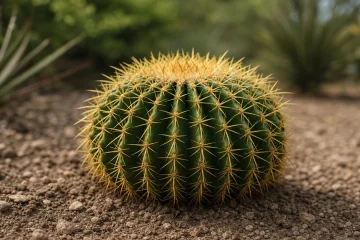
What Remains Underground After Cactus Removal
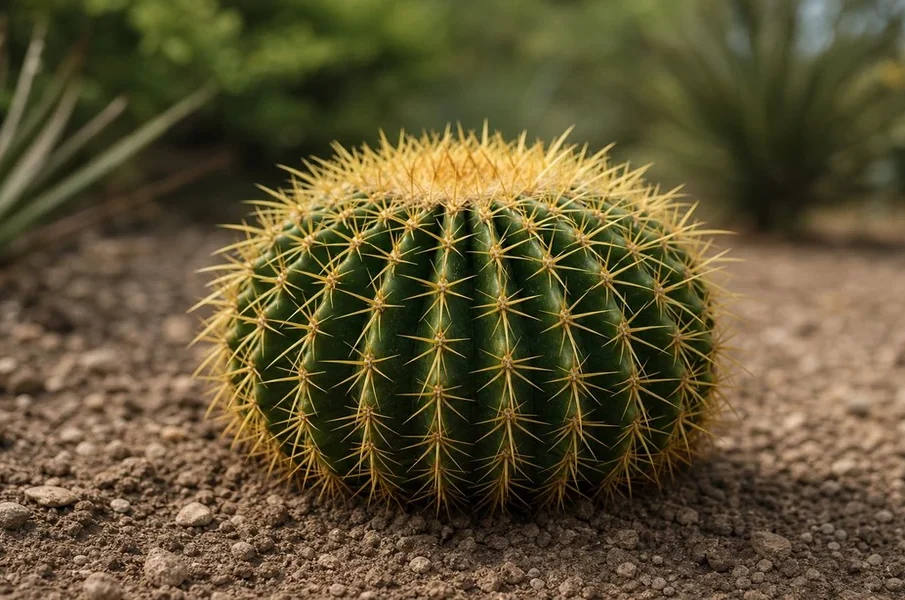
Cactus roots and soil
Once you’ve removed a cactus, what happens to the roots next may depend on how completely you removed the cactus, the type of cactus, and the condition of the soil.
Cactus Roots Can Survive Partial Removal
Cacti are known for having expansive, shallow root systems, as described by https://www.britannica.com/plant/cactus. This adaptation helps the plant gather as much water as possible when water is available. Some cacti may also have thicker roots, which help stabilize the plant.
Once a cactus has been removed, the roots that are left behind could be:
- Connected to a portion of the cactus’s main crown or stem
- Broken up in small pieces
- Still alive, but not in a position to regenerate much
- Damaged, dried out, or decomposing
- Connected to offsets or other baby cacti
Leftover roots that were attached to the main crown or stem could potentially regrow, especially if the cactus was cut off at ground level as opposed to dug up with the entire base. Leftover roots that have been broken up into small pieces or are already damaged, dried out, or decomposing are less likely to regenerate.
Roots Alone Usually Cannot Produce a New Cactus
Just the roots of a cactus likely won’t grow back into another cactus. Portions of the cactus that include a part of the main crown or stem could potentially grow into another cactus, especially if the cactus was chopped up instead of completely dug up.
After you remove a cactus, be on the lookout for new cactus growth sprouting near where it used to be. These new growths could have developed from pieces you overlooked that still included a portion of the crown, stem, or even roots. It could take some time for these pieces to sprout, particularly if the cactus still has access to moisture in the soil.
Roots Left in the Ground Decompose Over Time
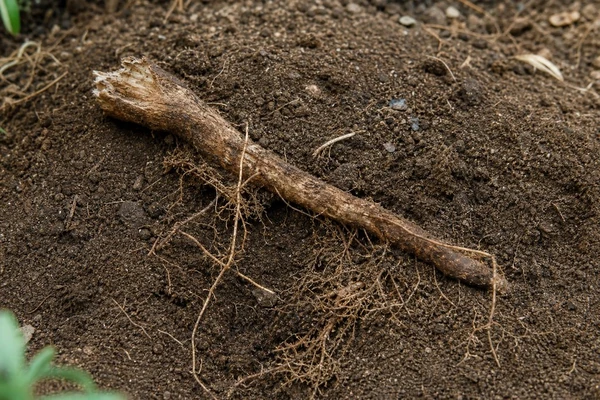
Cactus root system in soil
Without any living parts of the cactus still attached, cactus roots left in the ground will eventually decompose. Smaller roots will probably decompose first, while larger roots may take a while to rot down.
Cactus roots rotting in the ground aren’t going to adversely affect the soil. However, when the roots do rot, they may leave air pockets in the soil, which could impact drainage. In some cases, rotting roots may help loosen up the soil. On the other hand, if there are still large pieces of roots left in the ground, they could make digging in that area more difficult.
The roots of larger cacti could take up a significant amount of space in the ground. If you remove the cactus but leave the roots in the ground, this could create an area that’s prone to settling. It’s a good idea to tamp down the soil in this area to even it out before adding mulch, installing hardscape features, or planting other plants.
Check for Missed Pieces and Regrowth
Signs a Cactus Wasn’t Completely Removed
It’s not just leftover cactus roots you should watch out for, it’s any living part of the cactus that’s left behind, such as:
- Portions of the main crown or stem
- Offsets or pups that could potentially take root
- Cactus segments that broke off
Once you’ve removed a cactus, go over the area and see if there are any small pieces you may have missed. Also, be on the lookout for new cactus growth in the weeks and months afterward. You may have trouble spotting smaller pieces of the cactus if you fill the hole with soil or cover the area with mulch or gravel.
Remove Roots When the Site Will Be Reused
Ideally, you want to remove as much of the cactus as possible, including its roots. This is especially important if:
- You’re removing a large cactus
- The cactus has a tendency to regrow
- You plan on replanting the area right away
- There are utilities or hardscape features in the area
- You plan on doing some digging in the area in the future
If you remove a smaller cactus, you may get away with only removing the main crown and monitoring the area for regrowth. If you don’t notice any regrowth and the area isn’t prone to settling, you can probably leave any smaller roots to rot down in the ground.
If you do notice any regrowth, remove it ASAP. It’s easier to control any regrowth while it’s still small and doesn’t have very established roots. When you do remove any regrowth, dig down and remove as much of the cactus as you can. Maven Tree Services takes a closer look at what remains below ground, so visit this page before deciding what to leave behind.
Recheck the Site Before Replanting
After you remove a cactus, rake over the area to pick up any stray spines and fill in any divots or low spots created from digging up the cactus and its roots. If you plan on planting something in the spot, consider planting something else that has different growing conditions or spacing requirements.
Come back and check the area for settling or new cactus growth a couple of weeks after you remove the cactus. If you notice any regrowth, you’ll want to dig down and remove any parts of the cactus that are still alive before planting anything else in that area or covering it with mulch.


-
What Remains Underground After Cactus Removal
Cactus roots and soil Once you’ve removed a cactus, what happens to ... -
-
-
-