
How Should Colleagues Divide Space in Shared Accommodation?
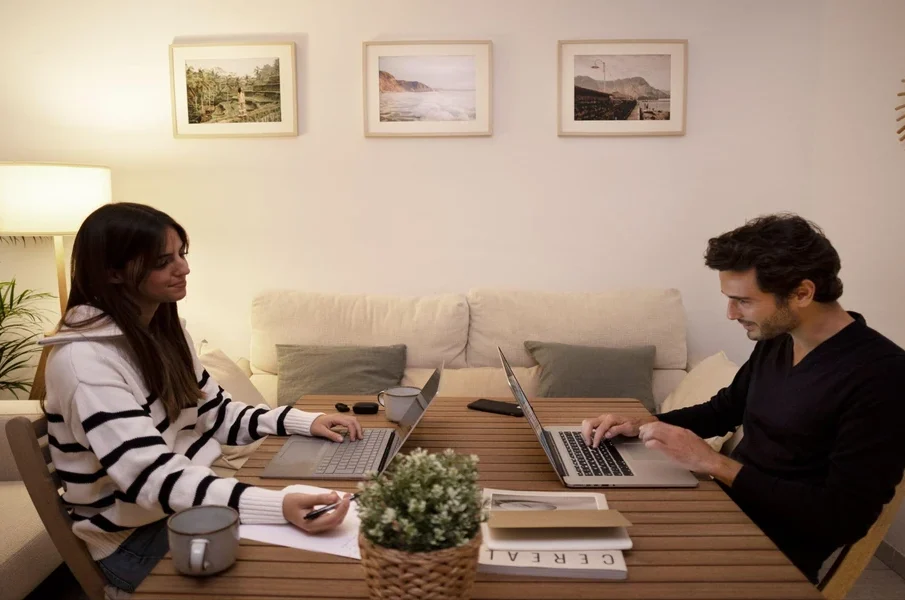
Sharing temporary accommodation can be practical for colleagues travelling for projects, training, assignments or other work-related purposes. However, sharing a property also means balancing individual privacy with access to communal areas.
That said, when comparing short-term apartments to rent, colleagues should consider more than the number of beds available. Bedroom arrangements, storage, work areas and access to shared facilities can all affect how the space functions during the stay.
Agreeing on how different areas will be used before moving in can reduce uncertainty and help colleagues maintain appropriate personal and professional boundaries.
How Should Colleagues Divide Bedrooms and Personal Space?
Bedrooms are generally the most private areas in shared accommodation. Where the layout allows, allocating a separate bedroom to each colleague provides individual space for sleeping, changing clothes, storing belongings and spending time alone.
For instance, for two colleagues, a 2-bedroom service apartment may provide separate sleeping areas alongside shared living facilities. Before booking, colleagues should still check the actual floor plan because bedroom sizes, storage and bathroom access can vary between properties.
Practical considerations when dividing personal space include:
- Bedroom allocation: Decide who will use each bedroom before arrival, particularly if the rooms differ in size or facilities.
- Storage: Allocate wardrobes, cupboards and other storage areas so personal belongings remain organised.
- Bathrooms: If a bathroom is shared, discuss morning and evening routines where work schedules overlap.
- Personal belongings: Agree on which areas are intended for individual items rather than communal use.
Where bedrooms differ substantially, colleagues can discuss allocation based on practical requirements rather than making assumptions. Establishing clear personal areas from the beginning makes it easier to distinguish private space from shared space.
How Can Colleagues Share Living and Communal Areas?
Living rooms, kitchens and dining spaces usually serve everyone staying in the accommodation. These areas therefore require basic agreements about use, cleanliness and storage.
That said, in short-term apartments to rent, the kitchen may be used for anything from preparing breakfast to cooking regular meals during a longer assignment. Colleagues can divide cupboards, refrigerator shelves or food-storage areas where necessary while keeping frequently used communal items accessible.
Shared-space arrangements may cover:
- cleaning up kitchen equipment and surfaces after use;
- keeping personal belongings out of communal walkways;
- agreeing on television, dining or living-room use when schedules differ;
- managing rubbish and routine household tasks; and
- discussing visitors where permitted under the accommodation provider’s rules.
These arrangements do not need to be complex. Their purpose is simply to ensure that communal areas remain functional for everyone throughout the stay.
How Should Colleagues Set Up Workspaces in Temporary Accommodation?
Temporary accommodation may also function as a workspace, particularly during business trips or project assignments. Where colleagues expect to work from the apartment, they should identify suitable work areas before establishing their daily routines.
A dining table may provide temporary desk space, but colleagues should consider whether simultaneous meetings or calls could cause disruption. Separate work areas may be more appropriate when tasks involve frequent video meetings, concentration or confidential conversations.
Useful features to check include:
- reliable internet access;
- adequate desk or table surfaces;
- accessible electrical sockets;
- suitable seating and lighting; and
- enough separation between workstations for calls and focused tasks.
A 2-bedroom service apartment in Singapore may allow colleagues to use bedrooms as separate work areas when appropriate, while keeping the living room available for shared use. However, the suitability of any property depends on its specific layout and facilities.
Separating work and communal areas where possible can also make the apartment easier to use outside working hours.
Why Should Colleagues Plan Space Before Sharing Temporary Accommodation?
Planning helps colleagues understand whether a property can accommodate both their individual and shared requirements. It can also identify potential issues before the stay begins, such as insufficient storage, limited workspace or conflicting bathroom schedules.
Before choosing accommodation, colleagues can discuss:
- who will occupy each bedroom;
- where each person will store belongings;
- which spaces can be used for work;
- how kitchens and bathrooms will be shared;
- how communal areas will be maintained; and
- whether different working or sleeping schedules require additional privacy.
The duration of the stay matters as well. Arrangements that are manageable for several nights may become less practical over several weeks, particularly when colleagues need to work, cook and maintain everyday routines in the same property.
Ultimately, dividing space is less about creating rigid rules and more about establishing clear expectations. Considering privacy, work requirements and communal facilities before arrival can help colleagues select and use temporary accommodation more effectively.
Visit The Initial Residence to explore temporary accommodation with layouts that give colleagues the right balance of private bedrooms, practical work areas and comfortable shared spaces.


-
Gut Renovation in Astoria NY: The Hidden Costs Nobody Puts in the First Quote
You collected three quotes. They looked reasonable. You signed, the walls came ... -
-
-
-