
The historical use of asbestos in construction
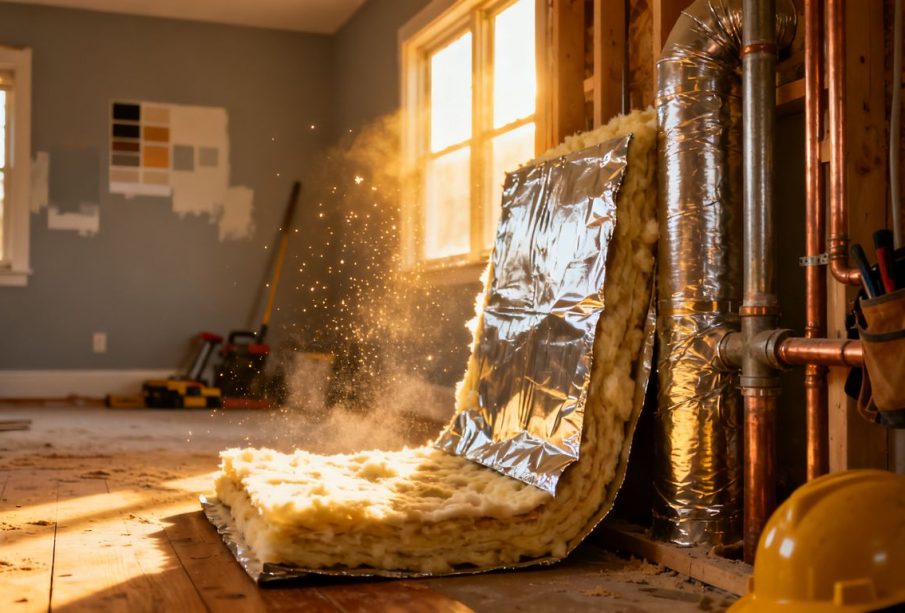
For much of the twentieth century, the construction industry relied on asbestos for its remarkable physical properties and affordability. Builders and engineers found that integrating this naturally occurring mineral into various components enhanced the structural integrity and longevity of homes. While these materials were once considered a standard of the trade, historical context reveals a more complex reality involving health awareness and eventual regulation. Modern homeowners often find themselves managing the enduring legacy of these older products as they renovate or maintain vintage properties.
When was asbestos used in residential building materials?
The use of asbestos in residential building materials peaked between the 1930s and the 1970s. During this era, contractors sought cost-effective ways to increase fire resistance and thermal insulation throughout the home. Many dwellings built prior to the mid-1980s still feature these materials in their original or even modified designs.
Why the mineral was preferred by builders and manufacturers
Manufacturers favored asbestos due to its exceptional resistance to heat, chemicals, and electricity. Its high tensile strength made it perfect for reinforcing concrete and insulation, leading to its inclusion in over 3,000 distinct commercial and residential products. Because it was abundant and inexpensive, it quickly became a ubiquitous, if hazardous, component in the residential supply chain.
Timeline of the decline of asbestos use in the late 20th century
The public and regulatory perception of asbestos began to shift as the health impacts became undeniable. While some manufacturers continued using the mineral into the late 1980s, federal guidelines began placing tighter restrictions on its production. Understanding the risks involved in these older building materials is essential for those living in or managing homes from that transition period.
Structural durability and the legacy of building products
Even after its phase-out, the durability of asbestos-containing products persists. These components rarely wear out on their own, often remaining stable for decades if they stay intact. Homeowners are effectively living with the long-term choices made by past builders, which requires an informed approach to home maintenance.
Common locations of asbestos in residential buildings
Identifying asbestos in a residential structure is rarely straightforward, as it was incorporated into diverse components that are often hidden from plain sight. Contractors historically embedded the material into everything from flooring adhesives to exterior siding to maximize fire resistance. Owners today must be aware of these common, albeit discrete, locations to prevent accidental damage during routine repairs. Careful observation of aging or deteriorating building materials is the first step toward occupant safety.
Insulation components in walls, attics, and around pipes
Pipe wrap and furnace insulation served as primary sites for asbestos application to manage heat and prevent fire hazards. In many older homes, the loose, fibrous wrapping around water pipes and heating ducts remains, often deteriorating and creating a potential risk when disturbed.
Flooring materials including tiles, mastics, and sheet linoleum
Vinyl floor tiles and their associated mastics often incorporated asbestos to improve durability. These tiles are generally hard and stable, but the adhesive underneath, or the backing on linoleum, can become a localized source of dust if removed or damaged during a modern floor renovation.
Ceiling treatments like popcorn coatings and acoustic tiles
Textured ceiling coatings, commonly referred to as popcorn ceilings, were a popular decorative choice during the mid-twentieth century. If these surfaces are scraped during a remodel, they can release fibers into the air, necessitating a professional approach to management or safe removal as described in the latest regional guides.
Exterior siding and roofing shingles containing cement fibers
Cement fibers containing asbestos added significant strength and fire resistance to roof shingles and exterior siding panels. While these materials remain robust when they are weathered naturally, they require specialized handling whenever they are cut, drilled, or removed from the building structure.
The health consequences of inhaling asbestos fibers
Exposure to asbestos is fundamentally a respiratory risk, predicated on the inhalation of microscopic fibers. Unlike larger debris that might cause immediate irritation, these fibers can settle deep within the lungs, causing long-term, irreversible damage. The biological process of tissue irritation is slow and silent, which often hampers early detection for exposed individuals. Recognizing that there is no safe level of exposure is vital for maintaining a healthy interior environment.
Mechanics of how fibers enter the respiratory system
When asbestos-containing material is disturbed, fibers become airborne and easily enter the lungs upon inhalation. Because they are thin and practically indestructible, they do not dissolve or break down in the body’s tissues. Instead, they remain lodged within the lung lining, prompting chronic inflammation.
Long-term diseases such as asbestosis and lung scarring
Repeated exposure causes significant scarring of the lung tissue, a condition medically defined as asbestosis. This chronic issue leads to a progressive decline in respiratory health, marked by shortness of breath and diminished lung function. Patients often experience these symptoms long after the initial period of exposure, illustrating the insidious nature of the disease.
Understanding the link between asbestos and mesothelioma
Mesothelioma is a rare but aggressive form of cancer specifically associated with the fibers reaching the protective linings of the lungs or abdomen. The diagnostic profile for this illness is closely tied to previous, often historical, environmental or occupational exposure. It remains a serious health concern for those living within older properties where materials are prone to damage.
Why there is no safe level of asbestos exposure
Clinical data consistently shows that even minor, intermittent contact with high-concentration fibers can increase disease risk. Because the immune system cannot clear the fibers once reached, public health experts emphasize keeping the material in a non-friable, undisturbed state to protect long-term health.
Differentiating between intact and friable asbestos
Not all applications of asbestos pose the same level of risk to a household. The physical state of the material dictates how easily it might release hazardous fibers into the air. Understanding the distinction between stable and unstable components helps residents prioritize which areas require caution. A focus on maintaining the integrity of materials is the most effective way to avoid unnecessary air quality issues.
Characteristics of stable, non-friable asbestos materials
Non-friable materials, such as floor tiles, are bound into solid matrices that inhibit fiber release. If these items are in good condition, they do not pose an immediate threat. They can remain safely in place for years, provided they are not cracked, sawed, or otherwise physically degraded.
Identifying the danger of friable asbestos and crumbly surfaces
Friable materials can be crushed or reduced to powder by hand pressure, making them far more hazardous. These surfaces inherently pose a higher risk because they release fibers easily when disturbed. Owners should be wary of any material that shows these characteristics:
- Powdery or dusty coatings near vents or ceilings
- Crumbled, brittle insulation around aging pipework
- Cracked, disintegrating wallboard or acoustic panels
- Loose, disintegrating joint compound material
Recognizing these signs early is crucial for coordinating appropriate, professional remediation.
Signs of material deterioration and degradation over time
Visible breakdown, such as moisture staining, cracks, or physical erosion, indicates that a surface is failing. When a previously stable material begins to flake, it transitions into a friable state, necessitating immediate containment and review by a specialist.
The role of physical disturbance in releasing airborne fibers
Any activity that physically modifies the material is the primary catalyst for fiber release. Actions like power sanding, aggressive cleaning of debris, or mechanical demo are activities that convert stationary asbestos into an airborne hazard that risks everyone in the home.
Critical protocols for homeowners and residents
Homeowners and tenants must exercise extreme caution when they suspect the presence of asbestos during day-to-day life. The objective is to prevent the creation of air hazards through deliberate caution and professional intervention when repairs are necessary. Proactive communication helps manage these hidden factors effectively.
Why DIY removal is never recommended for suspected asbestos
Attempting to remove or alter suspect materials without specialized training puts the entire building’s air quality at risk. Standard protective masks are insufficient against microscopic fibers, and improper disposal can cause a secondary hazard. Homeowners must avoid disturbing these materials entirely during routine projects.
Procedures for professional testing and material sampling
Testing is the only way to confirm if a material contains regulated amounts of asbestos. Certified inspectors utilize standardized methods to safely extract small samples without contaminating the surrounding area for laboratory analysis. This scientific approach removes the ambiguity that often causes unnecessary panic in older properties.
Best practices for managing existing materials in place
Leaving asbestos-containing materials undisturbed is often the safest operational path. Regular visual inspections are recommended to monitor for any signs of damage or deterioration. If a home contains these items, occupants should restrict access to areas where the material might be prone to impact, such as utility closets or crawl spaces.
Communicating concerns to landlords or property managers
Tenants noticing damaged or degrading materials in their units should report these findings to their management team immediately. Landlords are obligated to maintain safe living environments and should coordinate with professionals experienced in risk assessment. Open, documented communication ensures these specific problems are addressed before they become significant hazards for the residents.
Navigating regulatory standards during renovations
Renovation projects in older buildings often trigger specific legal requirements designed to minimize public and occupant exposure. These regulations are not merely suggestions but mandatory standards established to support safety during invasive maintenance work. Adhering to these protocols is essential, particularly when handling materials that fall under federal oversight.
Understanding federal and state oversight on lead and asbestos abatement
Federal regulations under the Clean Air Act set clear expectations for how building materials must be handled during larger renovation projects. Depending on the scale of the work, notifications to state or local agencies may be required before any demolition or abatement begins.
When professional accreditation is legally required for maintenance work
Any renovation that involves potentially invasive work requires certified professionals who hold proper accreditation. This ensures that the individuals handling the material follow the specific safety practices necessary to trap fibers and protect the indoor air quality. Relying on unauthorized help is not only dangerous but likely a violation of local property laws.
Guidelines for safe handling of demolition and renovation waste
Disposing of materials that contain asbestos requires a strict chain of custody and specific landfill procedures. Contractors must use heavy-duty containment and specialized disposal transport to ensure no residual material is left in the living space. Proper disposal is a significant component of the overall safety plan during a home remodel.
Post-abatement air monitoring for reoccupancy safety
Once an abatement project is complete, visual inspection is insufficient; professional air sampling must confirm the area is cleared for return. This final verification process is a standard requirement that provides occupants with the baseline data they need to feel secure in their home again post-construction.
More Information
- Vogelzanglaw.com
- American Lung Association
- Lung Cancer Center
- Mesotheliomaguide.com
- Flintcooper.com
- Lungcancergroup.com
- Cancer.Gov
- Asbestos.com
- Lanierlawfirm.com
- Motley Rice Law
- Ferrell-lawgroup.com
- Swmwlaw.com


-
Create a Backyard Designed Around Your Lifestyle
A swimming pool can turn an ordinary backyard into a place for ... -
-
-
-