
Weatherproof Electrical Wiring for Outdoor Sheds in Austin, Texas: Protecting Your Backyard Power System from Heat, Rain, and Moisture
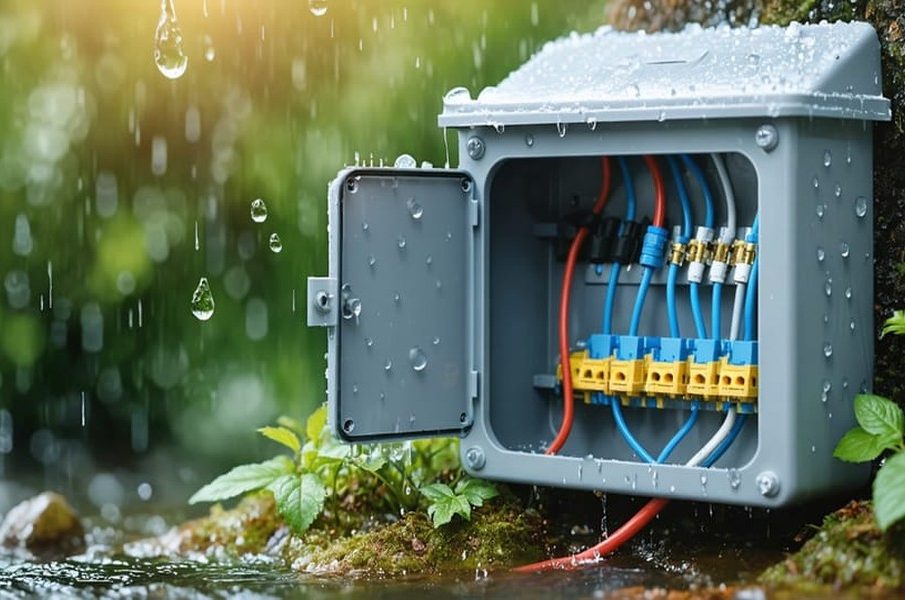
Outdoor sheds have become far more than simple storage spaces. In many Austin, Texas homes, sheds now serve as workshops, home offices, gyms, art studios, hobby rooms, and even entertainment spaces. As homeowners continue upgrading their outdoor living areas, electrical wiring for sheds has become increasingly common. However, outdoor electrical systems face much harsher conditions than indoor wiring systems. Heat, rain, humidity, UV exposure, and sudden Texas storms can slowly damage poorly installed electrical components over time.
That is why weatherproofing matters. Proper outdoor wiring installation protects your shed, your appliances, and most importantly, your family. Working with an experienced electrician Austin homeowners trust can help prevent costly electrical failures and dangerous safety risks that often develop from improper outdoor installations.
Why Outdoor Shed Wiring Requires Extra Protection
Electrical systems inside a home are generally shielded from weather and moisture. Outdoor wiring systems do not have that same luxury. In Austin, outdoor electrical equipment may experience:
- Triple-digit summer temperatures
- Heavy thunderstorms
- Sudden humidity swings
- UV damage from intense sunlight
- Water intrusion from rain
- Corrosion caused by moisture exposure
- Ground shifting due to soil expansion and contraction
These conditions slowly wear down electrical materials. Over time, cracked conduit, corroded connectors, exposed wiring, or overloaded circuits can create serious hazards.
Outdoor shed wiring must be specifically designed to withstand environmental exposure. This includes using weather-resistant conduit, outdoor-rated panels, GFCI protection, proper grounding methods, and durable fittings designed for exterior conditions.
Texas Heat Can Damage Outdoor Electrical Systems
Many homeowners underestimate how much damage extreme heat can cause to outdoor electrical equipment. Austin summers place tremendous stress on wiring systems.
High temperatures can cause:
- Wire insulation deterioration
- Expansion and contraction of conduit
- Breaker overheating
- Increased electrical resistance
- Premature failure of outdoor outlets
- Cracking of plastic electrical boxes
Outdoor sheds often become even hotter than the surrounding air because enclosed structures trap heat throughout the day. Temperatures inside a metal shed can easily exceed 120 degrees during peak summer months.
An experienced electrician Austin property owners rely on will typically recommend outdoor-rated materials designed specifically for high-heat environments. This may include UV-resistant conduit, THWN wire insulation, and weatherproof electrical boxes built for Texas conditions.
Choosing the Right Weather-Resistant Conduit
Conduit plays a major role in protecting outdoor electrical wiring. Conduit shields wires from moisture, impact damage, pests, and UV exposure.
Several types of conduit are commonly used for outdoor shed installations.
PVC Conduit
PVC conduit is extremely common for underground outdoor wiring. It resists moisture well and does not rust or corrode. PVC is also affordable and durable for long underground runs between a home and shed.
However, prolonged sun exposure can eventually weaken certain lower-quality PVC materials. Professional installations often use sunlight-resistant conduit designed for exterior environments.
Liquidtight Flexible Conduit
Flexible conduit is useful when wiring must bend around obstacles or connect to vibrating equipment. Liquidtight conduit provides additional moisture protection while allowing flexibility.
This type of conduit is commonly used for outdoor HVAC equipment and shed connections.
Rigid Metal Conduit
Rigid metal conduit offers excellent durability and physical protection. It is commonly used in commercial applications or high-risk areas where conduit could experience impact damage.
The downside is that metal conduit can eventually corrode if not properly sealed and maintained.
A qualified electrician Austin homeowners hire for outdoor projects can determine which conduit type best matches the specific installation environment.
Corrosion Prevention Is Critical Outdoors
Corrosion is one of the most overlooked threats to outdoor electrical systems. Moisture exposure slowly damages metal electrical components over time.
Corrosion commonly affects:
- Connectors
- Grounding terminals
- Outdoor disconnects
- Breaker panels
- Junction boxes
- Fasteners
- Receptacles
Once corrosion develops, electrical resistance increases. Increased resistance creates heat, which raises fire risks and equipment failure potential.
Professional outdoor electrical installations often include:
- Corrosion-resistant fittings
- Waterproof connectors
- Weather-sealed junction boxes
- Rust-resistant hardware
- Proper grounding systems
- Dielectric grease protection
- Elevated installations above standing water areas
Without proper corrosion prevention, even a newer outdoor electrical system can begin failing much sooner than expected.
Outdoor-Rated Breakers Matter More Than Many Homeowners Realize
Not all electrical panels and breakers are designed for exterior use. Outdoor shed systems require equipment specifically approved for wet or damp locations.
Outdoor-rated breaker panels include protective features that help prevent moisture intrusion. These panels are designed to handle temperature fluctuations, rain exposure, and humidity changes more effectively than indoor equipment.
Outdoor panels should also include proper weatherproof covers and seals. A poorly protected panel can allow moisture inside, leading to dangerous arcing or breaker failure.
An electrician Austin residents trust for outdoor installations will ensure that every breaker, disconnect, and subpanel meets current electrical code requirements for exterior applications.
Why GFCI Protection Is Essential for Outdoor Sheds
Ground Fault Circuit Interrupter protection, commonly called GFCI protection, is one of the most important safety requirements for outdoor electrical systems.
GFCI devices monitor electrical current flow and quickly shut power off if an imbalance occurs. This helps prevent electrical shock injuries, especially around damp conditions.
Outdoor sheds often contain environments where shock risks increase significantly, including:
- Concrete floors
- Wet tools
- Moisture exposure
- Extension cords
- Outdoor appliances
- Metal surfaces
Modern electrical codes typically require GFCI protection for outdoor receptacles and many shed circuits.
If a shed includes lighting, outlets, refrigeration equipment, or workshop tools, proper GFCI protection becomes even more important.
AFCI Protection Adds Another Layer of Safety
Arc Fault Circuit Interrupter protection, or AFCI protection, is another important safety feature for modern electrical systems.
AFCI devices help detect dangerous electrical arcing conditions before they cause fires. Arcing can develop from:
- Damaged wires
- Loose connections
- Rodent damage
- Aging insulation
- Moisture intrusion
Because outdoor shed wiring experiences temperature swings and environmental stress, AFCI protection can provide valuable added safety.
Combining GFCI and AFCI protection creates a much safer outdoor electrical system overall.
Surge Protection Helps Protect Outdoor Equipment
Texas storms frequently produce power surges and lightning-related electrical issues. Outdoor shed systems are especially vulnerable because they are physically separated from the main home structure.
Power surges can damage:
- Refrigerators
- Freezers
- Power tools
- Electronics
- Smart devices
- Security systems
- Garage equipment
Whole-home surge protection can help shield both the main house and outdoor structures from sudden voltage spikes.
Some homeowners also install dedicated surge protection devices at subpanels serving detached sheds.
An experienced electrician Austin homeowners depend on can evaluate whether whole-property surge protection makes sense for a particular outdoor setup.
Underground Wiring Must Be Installed Correctly
Many outdoor shed systems use underground electrical feeders. Underground wiring installations must follow strict safety requirements.
Improper underground installations can lead to:
- Water intrusion
- Buried wire damage
- Code violations
- Electrical shorts
- Dangerous shock risks
Professional installations typically include:
- Proper burial depth
- Correct conduit sizing
- Warning tape above buried lines
- Dedicated grounding methods
- Moisture-resistant conductors
- Expansion fittings where needed
Texas soil movement also creates challenges. Soil expansion and contraction over time can place stress on underground conduit systems if they are not installed correctly.
Is Outdoor Shed Wiring a Good DIY Project?
Many homeowners enjoy tackling home improvement projects themselves. Painting, shelving installation, flooring, and basic shed construction may be manageable for experienced DIY enthusiasts. However, outdoor electrical work is very different.
While replacing a simple light fixture indoors may seem straightforward, installing weatherproof outdoor shed wiring involves far more complexity and risk.
Outdoor electrical installations require knowledge of:
- National Electrical Code requirements
- Texas electrical regulations
- Grounding methods
- Conduit sizing
- Load calculations
- GFCI and AFCI requirements
- Moisture protection standards
- Proper breaker sizing
- Underground burial requirements
Mistakes can create serious safety hazards that may not appear immediately. Electrical problems often develop slowly over time as moisture enters connections or wiring deteriorates.
Improper outdoor wiring can lead to:
- Electrical fires
- Shock hazards
- Equipment damage
- Failed inspections
- Insurance complications
- Expensive repairs later
In Texas, many outdoor electrical projects legally require permits and inspections. Licensed electricians understand local code requirements and ensure installations meet safety standards.
For that reason, most major outdoor shed wiring projects should generally be left to Texas licensed electricians in Austin, TX natives trust rather than treated as a weekend DIY project.
Warning Signs Your Existing Shed Wiring May Need Attention
Older outdoor electrical systems often develop problems gradually. Homeowners should watch for warning signs that indicate potential wiring issues.
Common symptoms include:
- Flickering shed lights
- Warm outlets
- Breakers tripping frequently
- Corrosion around electrical boxes
- Water inside conduit
- Buzzing sounds
- Rust near electrical connections
- Burn marks around outlets
- Power loss during storms
If any of these issues appear, the safest option is to have the system inspected by a qualified electrician Austin homeowners can rely on for outdoor electrical safety evaluations.
Investing in Long-Term Outdoor Electrical Reliability
Outdoor electrical systems are exposed to some of the harshest conditions on a property. Heat, rain, moisture, UV rays, and storms all work together to slowly wear down poorly installed wiring systems.
The good news is that properly designed weatherproof electrical installations can last for many years with minimal problems. Using high-quality conduit, corrosion-resistant materials, GFCI and AFCI protection, surge protection, and outdoor-rated equipment creates a far safer and more reliable system.
Whether a shed serves as a workshop, office, gym, or storage space, dependable electrical power is essential for comfort, safety, and convenience.
Hiring a skilled electrician Austin homeowners trust for outdoor electrical work can help ensure the installation is built to withstand Texas weather while meeting modern safety standards for years to come.


-
Minimising Downtime With Effective Emergency Fire Watch
Introduction Unexpected fire protection problems can interrupt normal building operations and create ... -
-
-
-