Why Water Damage in Houston Is Common
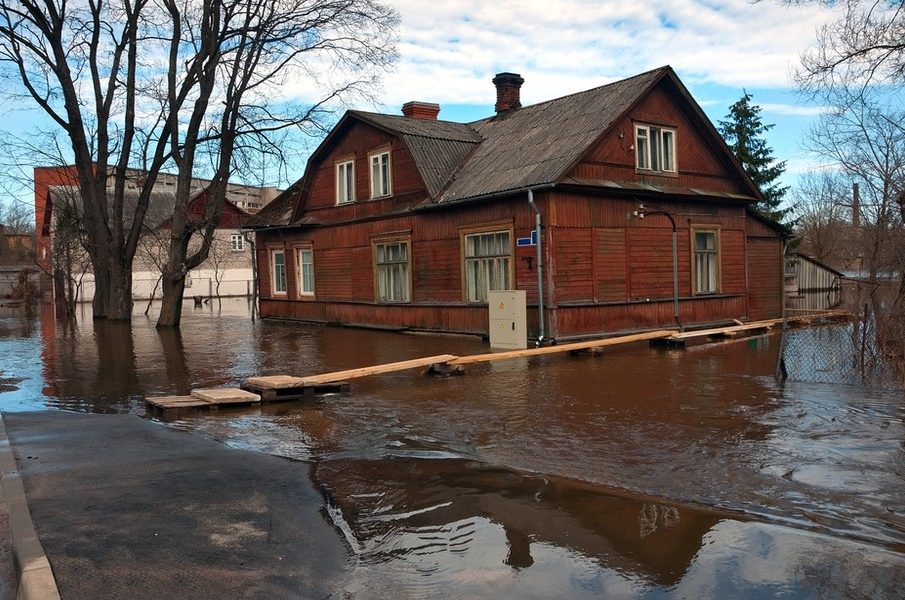
Water damage is a frequent and costly issue for homeowners in Houston. From flooded homes to hidden moisture problems, residents often face challenges related to excess water. The city’s unique climate, geography, and infrastructure all contribute to the high risk of water-related damage. Understanding these factors can help homeowners take preventive measures and protect their properties.
Heavy Rainfall and Storms
The heavy rainfall in the area is one of the main factors that cause water damage to be so widespread in Houston. The city has regular storms, particularly in the spring and summer seasons. High precipitation may cause flooding of sewer systems and cause local flooding. The long rainfall in extreme situations may flood the earth and lead to seepage into the houses by way of foundations, walls, and basements.
The Gulf Coast tropical storms and hurricanes also threaten Houston. Such weather patterns have the potential of delivering huge amounts of rainfall within a relatively small time, posing a high risk of flooding. Water damage can be experienced even in places that are not usually flood-prone in case of a major storm. Click here for reference.
Low Elevation and Flat Terrain
The geography of Houston has a major role in the vulnerability of the city to water damages. The city is also comparatively flat with a low elevation and this complicates natural drainage. The absence of steep slopes to channel water away leads to the rainwater lying on the surface. This will raise the chances of having water surrounding houses and buildings, which will finally cause water intrusion.
Clay Soil Composition
The other factor is the nature of the soil in Houston. The soils in the region are clay-rich; they swell in wet seasons and shrink in dry seasons. This unceasing movement may cause cracks in foundations and walls, which leave a way to allow water to enter houses. With time, the smallest cracks may cause moisture to creep in and damage the structure, causing the growth of molds.
Plumbing and Structural Issues
In addition to environmental factors, plumbing problems are a common cause of water damage Houston homes. Water may be accumulated in the house because of aging pipes, water leakage and defective appliances. Together with the humid weather of the city, even the most insignificant leaks may result in serious damage in case of not being addressed in time.
Aging Infrastructure and Drainage Systems
Houston is a fast-growing city whose development has strained its infrastructure even drainage systems. In certain sections, the drainage systems that were in use some time ago are incapable of managing the amount of water produced during heavy rains. Obstructed or narrow storm drains may result in the stagnation of water in the streets and homes. Home flooding and water damages are much more likely to occur when the drainage systems fail.
High Humidity Levels
Another significant factor is the humid subtropical climate of Houston. The presence of high levels of humidity may cause moisture to accumulate in houses without necessarily causing direct flooding. This may lead to problems like condensation, growth of molds, and degradation of construction materials. This can be aggravated by poor ventilation and insufficient insulation, particularly in older houses.
Rapid Urban Development
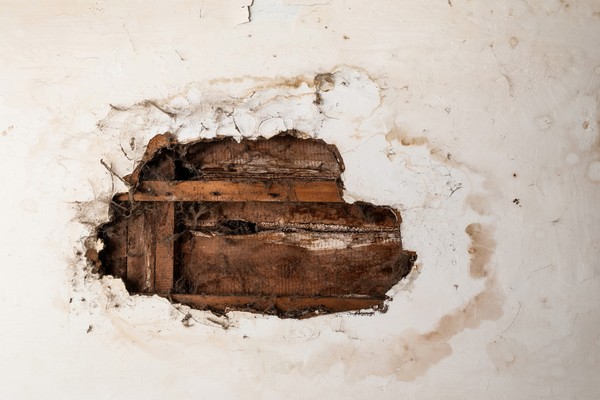
The risk of water damage has also been increasing due to urban development. With the increasing development of land, the natural surfaces that absorb water, like soil and vegetation are covered with concrete and asphalt. Such surfaces do not allow water to be absorbed into the soil, which causes more water runoff during rainy seasons. This causes faster water buildup and may overload drainage systems.
Preventive Measures for Homeowners
Although water damage is a common thing in Houston, there are measures that homeowners can adopt in order to mitigate the risk. Frequent repairs of roofs, gutters, and drainage systems can aid in avoiding the entry of water into the house. Water runoff can also be enhanced by sealing cracks in the foundation and proper grading around the property. Sump pumps and moisture barriers can also be installed to offer extra protection to flood-prone regions.
To avoid the occurrence of molds and moisture-related problems, it is possible to monitor the level of humidity indoors and dehumidify it with the help of dehumidifiers. Moreover, periodic inspections of plumbing systems help to detect leaks at the initial stages when they can bring considerable harm. Go to https://www.angi.com/articles/water-damage-prevention-tips.htm to read more.
Conclusion
The water damage in Houston is rampant because of an interplay of environmental, geographical, and infrastructural conditions. The problem is caused by heavy rainfall, flat land, clay soil, high humidity, and the high development rate of cities. Although all these challenges cannot be eradicated, the knowledge of their causes can enable the homeowners to take proactive measures towards securing their houses. When well taken care of and with preventive steps, water damage can be minimized and a safe and comfortable living environment can be maintained.


-
Gut Renovation in Astoria NY: The Hidden Costs Nobody Puts in the First Quote
You collected three quotes. They looked reasonable. You signed, the walls came ... -
-
-
-