
The Pros and Cons of Instant Electric Water Heater Systems
Key Takeaways
- Instant heaters skip standby heat loss by heating water only on demand
- Compact sizing makes them a practical fit for smaller bathrooms
- Output can struggle when multiple taps draw hot water simultaneously
- Electrical load requirements are higher than most storage heater setups
- The right choice depends more on household usage patterns than on price alone
Why Consider Instant Water Heaters
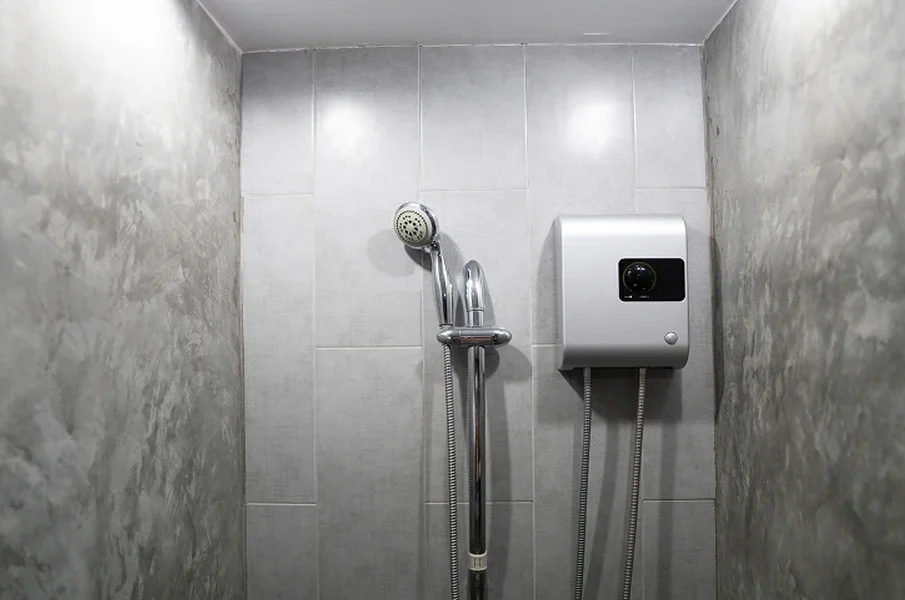
Traditional storage heaters are not the only option anymore, and more households are weighing up whether to switch. An instant electric water heater skips the large tank entirely, heating water as it flows through rather than keeping a reserve hot around the clock. For smaller bathrooms or households conscious of standby energy use, that difference alone is often enough to prompt a closer look.
Like most appliance choices, though, it is rarely a straightforward upgrade for everyone. What suits a small apartment bathroom may not suit a household running multiple showers at once, so it helps to weigh the advantages against the trade-offs before deciding either way.
What Makes Instant Heating Different
Storage heaters keep a tank of water hot continuously, ready to be drawn on whenever needed, which means energy is spent maintaining temperature even when no one is using hot water at all. An instant electric water heater instead heats water only as it passes through the unit, which cuts down on that standby loss considerably. This also means there is no tank to run out mid-shower, since heating happens continuously rather than depleting a fixed reserve. The unit itself tends to sit much closer to the tap it serves, which shortens the distance hot water needs to travel before reaching the outlet.
ALSO READ: Choosing the Right Water Heater: Instant vs Storage
The Advantages Worth Knowing
Several practical benefits come up consistently when households make the switch:
- Compact unit size frees up bathroom or utility space previously used by a tank
- Hot water never runs out mid-use, since there is no reserve to deplete
- Standby energy loss is largely eliminated compared to storage-based systems
- Installation is often simpler in smaller units without existing tank infrastructure
- Temperature can usually be adjusted more precisely at the point of use
These points make the appliance particularly appealing for single-bathroom homes or secondary bathrooms where space and standby efficiency matter more than high-volume output.
The Trade-Offs Worth Weighing
The main limitation shows up when demand increases. Since water is heated on the spot rather than drawn from a reserve, output can drop noticeably if hot water is needed at more than one point simultaneously, such as a shower running alongside a kitchen tap. Electrical requirements are also higher than many existing circuits are set up for, occasionally requiring dedicated wiring during installation. None of this rules the option out, but it does mean checking household hot water habits honestly before assuming it will suit every bathroom in the home, particularly in larger households with overlapping routines each morning.
Comparing the Two Approaches at a Glance
| Factor | Instant Electric Heater | Storage Tank Heater |
| Standby energy loss | Minimal | Continuous, even when unused |
| Space required | Compact | Larger, tank-dependent |
| Hot water supply | Continuous, on demand | Limited by tank capacity |
| Simultaneous use | Can struggle under heavy load | Generally more stable |
| Wiring requirements | Often higher, may need upgrading | Typically standard |
Viewed side by side, neither option is universally better – the right pick depends on how hot water actually gets used day to day.
Choosing the Right System for You
An instant electric water heater suits households that value compact installation and want to avoid the standby losses that come with keeping a tank hot around the clock. It is less suited to homes that regularly need hot water at several points at once, where a storage system may still hold an edge. Matching the choice to actual usage patterns matters more than picking whichever option sounds more modern.
Contact KDK to see which water heating setup actually fits the way your household uses hot water day to day.



-
Chencharu Central Residences Looks to Parktown’s 87 Percent Launch Weekend as a Guide
Chencharu Central Residences Emulating Parktown’s Successful Launch Strategy In the heart of ... -
-
-
-