How Los Angeles Homeowners Can Keep Rats Out of Attics
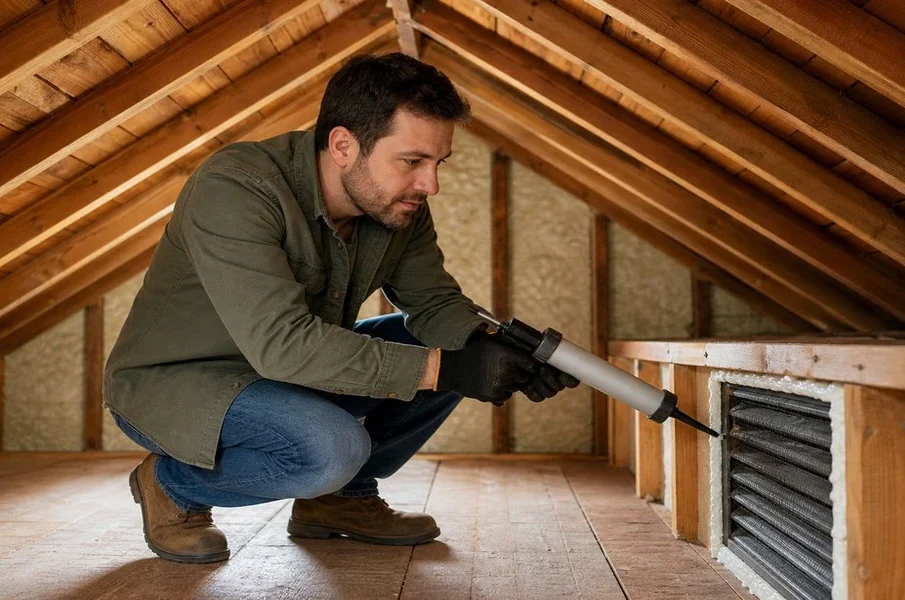
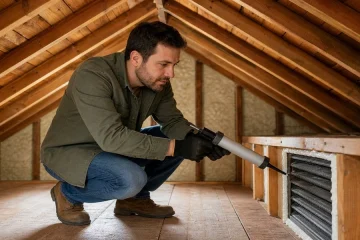
If you wake up to scratching sounds coming from your attic or notice your insulation is messed with, rats may have made themselves at home. Rats can gain access to attics in many ways, but there are steps you can take to help keep them out.
How Do Rats Reach the Attic?
Rats are prolific climbers and can scale onto your roof using tree branches, power and phone lines, fences, piled materials, outbuildings, and more. Once on the roof, rats may find their way inside through holes around vents, gaps in damaged eaves or siding, and holes around plumbing stacks and other utility penetrations. Any hole that’s ¼ of an inch or bigger is worth a look, especially if you can see into a wall void or attic space from outside. Inspect your attic and the exterior of your home during the day, paying attention to hard-to-see areas. Common areas rats use to gain access to attics include:
- holes and gaps around the roof line, including in the soffit
- gaps where an addition was made to your home
- torn or missing screens on vents
- holes around plumbing stacks and utility penetrations
- loose trim boards or damaged fascia boards
You may also spot telltale signs that rats have already found their way inside. These include:
- droppings
- greasy rub marks on surfaces
- fresh gnaw marks
- dark, smudgy marks along their travel routes
A Less Inviting Attic
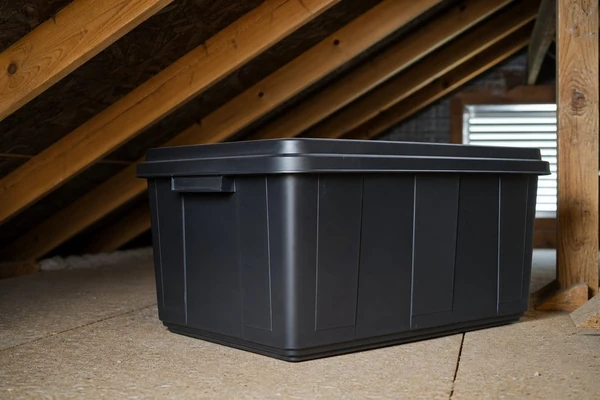
Attics are warm, dark, and offer plenty of nesting material, which makes them an inviting place for rats to set up camp. You can make your attic less attractive to rats by removing unnecessary clutter, especially materials rats can shred for nesting, like paper bags, cardboard boxes, and old fabric. Store items in rodent-proof containers. If your insulation is contaminated, the CDC offers direct guidance at https://www.cdc.gov/healthy-pets/rodent-control/clean-up.html, and you may want to consider professional help before disturbing it.
Just decluttering your attic won’t be enough to keep rats out. To keep rats out of your attic long-term, you’ll need to remove both shelter and access. Rats will still be able to come and go as they please if you don’t also seal up their entry point(s).
Fewer Attractions Around the Home
Rats living in your attic may have originally been attracted to your home by accessible food sources, like compost, pet food, fruit drops, or overflowing trash cans. Overgrown branches and vegetation around your home can provide rats with easy access to your roof and a place to hang out during the day. To deter rats from your home and attic:
- Keep your trash in rodent-proof containers.
- Bring pet food inside at night.
- Keep trees trimmed back from your home.
- Keep vegetation away from your home’s foundation.
- Remove potential water sources, like standing water, leaking outdoor faucets, and dripping air conditioner lines.
Safe Timing for Sealing Entry Points
Sealing up entry points is key to keeping rats out of your attic long-term, but it’s important to time it just right. Getting the timing right is a key part of effective rodent control in Los Angeles. If you seal up an entry hole while rats are still inside your attic, they’ll be trapped inside your walls and attic and may chew their way out somewhere else, potentially causing additional damage. Before sealing up holes, make sure rats aren’t still in your attic by checking for:
- fresh rat droppings or tracks in dusty areas
- consistent nighttime scratching and running noises
- recently disturbed insulation
- fresh gnaw marks on wood, wires, or items stored in your attic
- a concentrated musky smell
Once you’ve removed the rats, you can permanently seal up entry points using sturdy, rat-proof materials. It’s also a good idea to periodically recheck holes, gaps, and penetrations you’ve already sealed, especially after maintenance or storms, to make sure they’re still rat-proof. Rats are persistent and may try to gain entry through the same spot over and over.
Weatherstripping, caulk, plastic screening, and expanding foam sealants may help to seal smaller cracks and holes, but don’t count on these materials alone to keep out persistent rat chews. Use metal flashing, metal screen, or hardware cloth (with small-sized holes), or another sturdy material that won’t easily succumb to rat chews. Make sure it’s firmly anchored to solid masonry, metal, or wood.
Cover openings and cracks with sturdy material rats can’t chew through. Keep in mind that vents in attics need to remain open for adequate ventilation, and don’t cover vents needed for exhaust.
If you have a hole that’s near electrical or gas lines, or if you have a hole in a compromised structural area or in the roof, get it inspected.
Rodent-Proofing as a Routine
Checking around your home for potential rat entry points, storing items in rodent-proof containers, and making repairs as needed can help keep rats from gaining access to your attic. Give your home an exterior checkup today! Look for damaged vent screens, branches hanging over your roof line, and other potential rat entry points.


-
How Los Angeles Homeowners Can Keep Rats Out of Attics
If you wake up to scratching sounds coming from your attic or ... -
-
-
-