HVAC Maintenance Checklist: What Homeowners Should Check Each Season
A reliable HVAC system needs attention throughout the year, not just when temperatures become extreme. Seasonal checks can improve comfort, support energy efficiency, and help homeowners spot small problems early. This HVAC maintenance checklist explains what to inspect during spring, summer, fall, and winter to keep your system working properly.
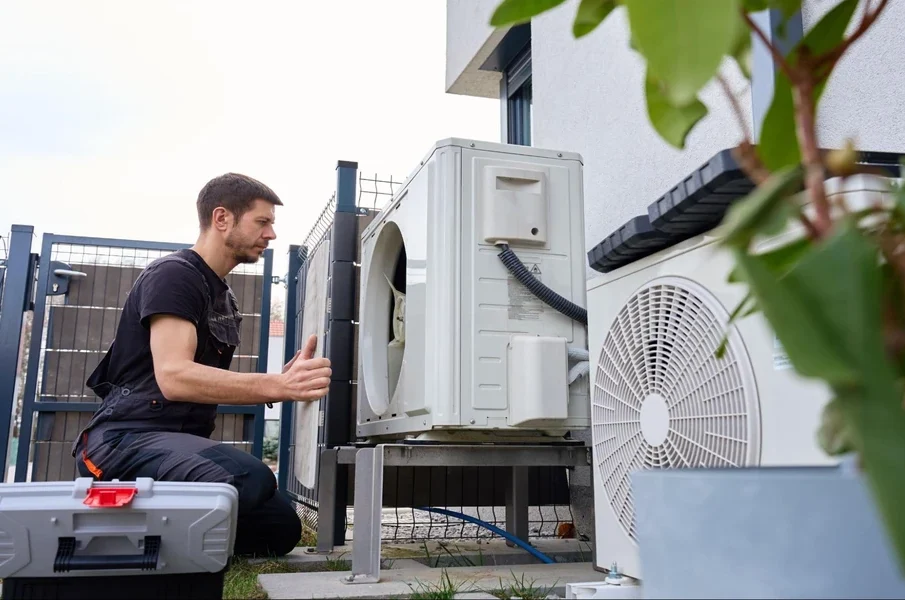
Your HVAC system works through changing temperatures, humidity, dust, and daily household demands. Without routine attention, filters can become clogged, airflow may decline, and minor mechanical issues can develop into expensive repairs. A seasonal HVAC maintenance routine gives homeowners a simple way to protect comfort and keep the system working efficiently throughout the year. Some checks are easy to handle yourself, while others require trained technicians. Scheduling HVAC services in Buford, GA can be especially useful before periods of heavy cooling or heating demand, when a professional inspection can identify problems that are difficult to spot during normal household checks.
Spring: Prepare the Cooling System
Spring is the ideal time to prepare your air conditioner before hotter weather arrives. Start by replacing or checking the HVAC filter. A dirty filter restricts airflow and forces the system to work harder.
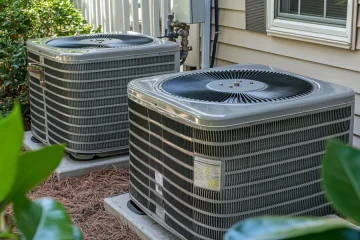
Walk around the outdoor unit and remove leaves, grass, branches, and other debris from the surrounding area. Keep plants and objects away from the unit so air can move freely through it. Check visible vents inside the home as well. Furniture, rugs, or curtains should not block supply or return vents.
Test the thermostat by switching the system to cooling mode. Listen for unusual sounds and notice whether rooms begin cooling evenly. Weak airflow, strange noises, or unusually long cooling cycles should be inspected before summer.
Summer: Watch Performance During Peak Use
Your air conditioner may run for long periods during hot summer days, making regular observation important. Check the air filter more often during periods of heavy use, especially if your home has pets or tends to collect dust quickly.
Pay attention to changes in cooling performance. Rooms that suddenly feel warmer than others may indicate an airflow, duct, thermostat, or equipment problem. You should also watch for water around the indoor HVAC equipment. Unexpected moisture can point to a drainage issue that needs attention.
Avoid placing heat-producing appliances close to the thermostat because they may affect temperature readings. Keeping blinds or curtains closed during the hottest part of the day can also reduce unnecessary strain on the cooling system.
Fall: Get the Heating System Ready
Fall maintenance should focus on preparing your heating equipment before colder weather arrives. Change the filter if needed, then switch the thermostat to heating mode and confirm that warm air reaches your rooms normally.
During this seasonal check, listen for rattling, banging, grinding, or other unfamiliar sounds. A burning smell that continues after the system has been running for a while should also be investigated rather than ignored.
This is also a good time to inspect visible ductwork for obvious gaps, damage, or loose connections. Damaged ducts can allow conditioned air to escape before it reaches living areas. Professional HVAC services in Buford, GA can help assess heating performance, inspect components, check airflow, and address maintenance concerns before colder weather places heavier demand on the system.
Winter: Protect Heating Reliability
During winter, your heating system needs consistent airflow to operate effectively. Continue checking filters and make sure vents remain open and unobstructed. Closing too many vents may interfere with proper airflow instead of reducing energy use.
Watch your energy bills as well. A sudden increase without a major change in weather or household habits may indicate that the HVAC system is working harder than usual.
Keep the thermostat at a steady, practical setting rather than making frequent large temperature changes. If the system starts cycling unusually often, struggles to reach the set temperature, or produces weak airflow, arrange an inspection before the problem becomes more serious.
Seasonal Checks Homeowners Should Never Skip
Regardless of the season, several simple habits can help protect HVAC performance. Keep the area around indoor and outdoor equipment clean, inspect filters regularly, and pay attention to changes in sounds, smells, airflow, and temperature.
Homeowners should also avoid opening equipment panels or attempting electrical or refrigerant repairs themselves. These tasks require proper tools and technical knowledge. Routine homeowner checks are useful for spotting warning signs, but professional HVAC maintenance provides a more complete assessment of system condition and performance.
FAQs
How often should I check my HVAC filter?
Check the filter about once a month, especially during heavy heating or cooling periods. Replacement frequency depends on the filter, household conditions, pets, dust levels, and system use.
What is the best season for professional HVAC maintenance?
Spring is a practical time to check cooling equipment, while fall is ideal for heating system maintenance. Scheduling service before peak seasons gives you time to address problems before the equipment is under heavy demand.
Why is my HVAC system running longer than usual?
Longer cycles can result from a dirty filter, blocked airflow, thermostat issues, duct problems, outdoor conditions, or equipment that needs professional attention.
Should all HVAC vents stay open?
In most homes, vents should remain open and free from furniture or other obstructions. Closing several vents can disrupt normal airflow and may place additional strain on the system.
What HVAC warning signs should homeowners take seriously?
Persistent unusual noises, weak airflow, uneven temperatures, frequent cycling, unexpected moisture, unusual odors, or unexplained increases in energy use deserve attention.
Final Considerations
Seasonal HVAC maintenance does not have to be complicated. Simple tasks such as checking filters, clearing debris, keeping vents open, testing the thermostat, and watching for changes in system performance can help homeowners catch problems early. Spring and fall are especially important because they allow you to prepare cooling and heating equipment before periods of heavy use.
Homeowners should remember that basic maintenance has limits. Electrical components, refrigerant levels, internal equipment, duct problems, and mechanical faults are best handled by trained professionals. Regular inspections can help maintain dependable operation, improve indoor comfort, and reduce the likelihood of unexpected breakdowns. When unusual noises, poor airflow, uneven temperatures, or declining performance appear, arranging HVAC services in Buford.


-
Why Is Your Air Conditioner Running but Not Cooling the House?
There are few things more frustrating than hearing your air conditioner hum ... -
-
-