Which Plant Characteristics Make Outdoor Plants Low Maintenance?
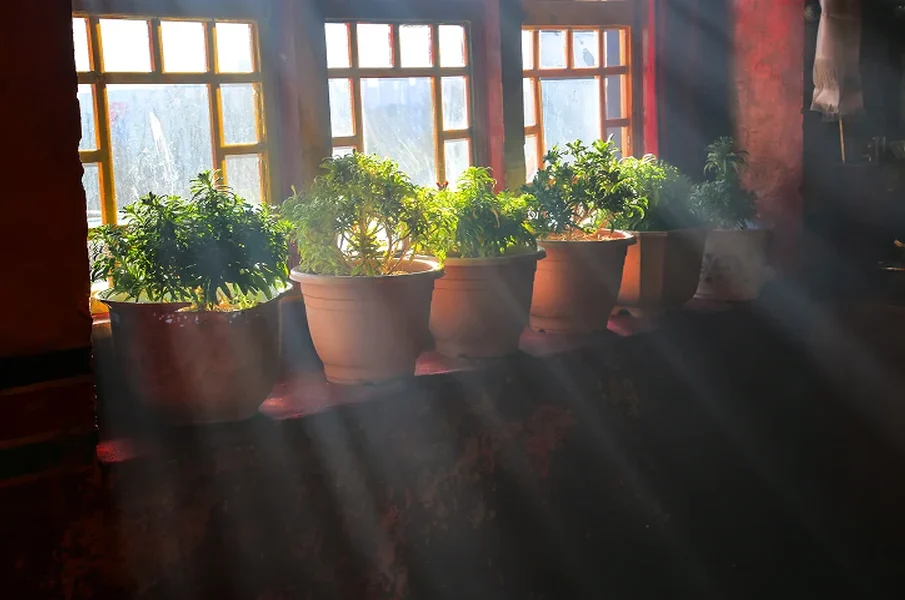
Outdoor plants vary considerably in the amount of routine care they require. Their maintenance needs are influenced by characteristics such as climate suitability, water requirements, growth rate and resistance to common plant problems.
These factors are particularly relevant when choosing outdoor plants in Singapore, where plants may experience high temperatures, humidity and substantial rainfall throughout the year. Understanding these characteristics can help gardeners select plants that are better matched to their growing conditions.
Climate Suitability Reduces the Need for Extra Care
Plants are generally easier to manage when their natural growing requirements match the conditions of their location. A plant that tolerates the local temperature, humidity and rainfall is less likely to require environmental adjustments to remain healthy.
For Singapore’s tropical climate, useful characteristics may include:
- Tolerance of consistently warm temperatures.
- Ability to grow under humid conditions.
- Suitability for frequent or heavy rainfall, provided drainage is adequate.
- Compatibility with the amount of sunlight available at the planting site.
Climate suitability does not mean a plant can be placed anywhere outdoors. Conditions can vary between open gardens, sheltered patios and high-rise balconies, so individual planting locations still need to be assessed.
Choosing plants suited to both the broader climate and the specific site can therefore reduce unnecessary maintenance. Water requirements are another characteristic that affects how much routine attention a plant needs.
Moderate Water Requirements Make Watering Easier to Manage
Plants that tolerate some variation in soil moisture can be easier to maintain than species requiring consistently precise watering. This can reduce the need for frequent intervention, particularly once established.
Characteristics associated with manageable watering needs can include:
- Some tolerance of short dry periods.
- Root systems suited to the available soil depth.
- Leaves or stems that help limit excessive moisture loss.
- Compatibility with well-drained growing media.
Drought tolerance should not be interpreted as an absence of watering requirements. Newly planted specimens and container-grown plants can still require regular monitoring because their roots have limited access to surrounding soil moisture.
That said, when comparing low-maintenance outdoor plants, water requirements should therefore be considered alongside rainfall and drainage. Sun and heat tolerance are equally important because excessive exposure can increase plant stress.
Good Tolerance of Sunlight and Heat Reduces Plant Stress
Outdoor areas can receive very different levels of sunlight. An exposed garden may receive prolonged direct sun, while a balcony or patio may remain shaded for much of the day.
Plants are easier to maintain when their light requirements correspond with the available conditions. For example, a full-sun plant placed in deep shade may develop weak growth, while a shade-adapted plant can suffer leaf damage under intense direct sunlight.
Heat tolerance is also relevant for exposed locations. Paved surfaces, walls and containers can absorb and retain heat, potentially creating warmer conditions around plants.
That said, before selecting outdoor plants, it is useful to determine whether a site receives full sun, partial sun or substantial shade. Matching the plant to these conditions can reduce stress and the corrective care that may otherwise be required.
Slow or Controlled Growth Reduces Pruning Requirements
Growth rate influences how frequently an outdoor plant needs pruning or shaping. Fast-growing plants may require regular cutting to prevent them from becoming oversized or interfering with nearby plants and structures.
Plants with slower or naturally controlled growth can reduce this workload. Useful characteristics include:
- A naturally compact form.
- A predictable mature height and spread.
- Limited production of vigorous shoots.
- Growth that remains appropriate for the available planting space.
Mature size is particularly important for container gardens and smaller outdoor areas. A plant that quickly outgrows its allocated space may need repeated pruning, repotting or eventual relocation.
Growth habit is therefore an important consideration when selecting low-maintenance outdoor plants in Singapore. However, reduced pruning requirements do not remove the need to inspect plants for damaged or unhealthy growth.
Strong Pest and Disease Resistance Can Reduce Intervention
Some plant varieties have greater natural resistance or tolerance to particular pests and diseases. Where suitable resistant plants are available, this characteristic can reduce the likelihood of recurring problems and repeated treatment.
Plant health also depends heavily on appropriate growing conditions. Excess moisture, poor air circulation, unsuitable light and overcrowding can create conditions that favour certain pests or diseases.
Routine monitoring remains important even for resistant plants. Gardeners should check for changes such as:
- Unusual leaf discolouration.
- Holes or other feeding damage.
- Distorted new growth.
- Premature leaf loss.
- Visible insects or signs of fungal growth.
Pest and disease resistance should therefore be viewed as one part of low-maintenance plant selection rather than a guarantee against problems.
Overall, outdoor plants are easier to maintain when their natural characteristics align with their environment. Climate suitability, manageable water needs, appropriate sun and heat tolerance, controlled growth and pest resistance can collectively reduce the amount of corrective care required.
Visit Arbour to choose outdoor plants that suit your space.


-
Christmas Decorating Ideas for Small Spaces: A Festive Home Without Clutter
The best Christmas decorating ideas for small spaces include slim artificial Christmas ... -
-
-
-