What Should You Check Before Installing Quartz Countertops?
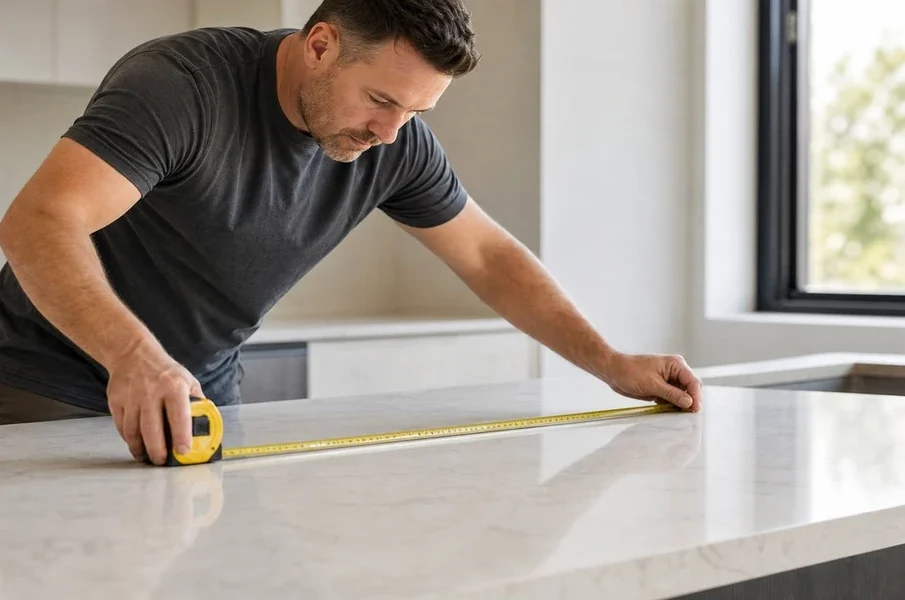
Quartz countertops
While quartz countertops are durable and engineered for hard service, they are heavy and demand meticulous planning to get the installation right, and avoid surprises. Here’s what you should consider:
Cabinet Preparation
Unlike other materials, quartz countertops will highlight any imperfections in your cabinets and walls. Uneven cabinets create stress points that can cause the material to chip or crack, and cause other problems like:
- visible gaps between countertops and walls
- poorly aligned seams
- poor-fitting seams, gaps, or edges
While quartz countertop installation teams often can make minor adjustments, it’s critical to repair any problems in advance – more on quartz countertop installation Davie if you want that route. Cabinets need to be level, secure, and able to bear the weight of a quartz countertop (forbes.com/home-improvement has the sober version of this) without any shifting or movement.
Sometimes cabinet doors may still open and close normally, but the boxes may be out of alignment or have shifted over time. If your cabinets are older, consider having them inspected before your countertops are measured. Any major repairs or leveling should happen before the templating visit.
If walls have shifted or are otherwise imperfect, make a list of everything you can see for discussion with the installers, including:
- Whether to keep or replace your existing backsplash
- Whether you’ll keep your existing sink and faucet
- Whether to repair any cracks or other wall damage in advance
- What the final walls will look like, as this will affect the measurements and access to the room.
Accurate Templating
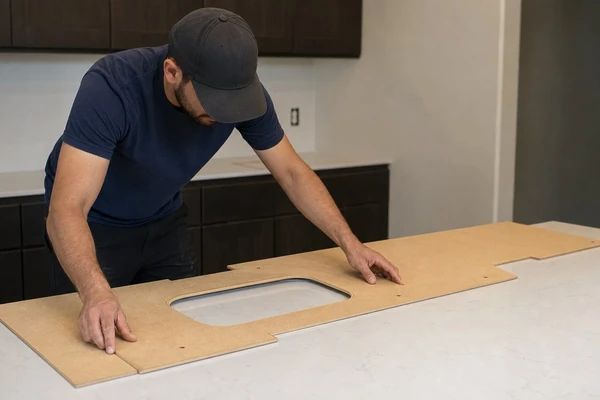
Quartz countertop material
The visit by your countertop fabricator for the template is crucial. Homeowners often think of this step as simply measuring, but they don’t understand how important it is for ensuring a flawless installation: Templates determine everything.
- Sink placement and bowl configurations
- Locations for faucet, soap, and any other accessories
- Cutout size for cooktops
- Edge style
- Backsplash height
- Locations for seams
While the slabs look impressive as large samples, they can look totally different when the veining or movement is viewed at full-scale. Make sure the template taker takes the pattern into consideration and discusses where the slab may be positioned.
While your installer likely has extensive knowledge about sinks, cooktops, and other items, you should be prepared with the dimensions of any new sinks or appliances for perfect-fit cutouts. It’s difficult to close too large of a gap, and impossible to enlarge a cutout that’s too small.
Seams and Cutouts
With the exception of small countertops, most installations involve seams. It’s possible to hide the seams with expert installation, but you still will see them.
The placement of seams is influenced by the size of the countertops, slab, and the access to your kitchen. Your fabricator will work out the best locations, keeping in mind the weight of slabs and cabinet layout.
Overhangs of up to 12 inches can be done with reinforcement under bars, islands, and peninsulas. Your fabricator can determine whether you need reinforcement brackets or hidden framing.
The more elaborate the cutouts, the more important it is to get the template right. If you’re replacing your sink, make sure you have the dimensions. You may want to mark your existing faucet holes to see how the new sink will affect their position, and whether you want to fill or relocate them.
Before the countertops are fabricated make sure the cabinets have their panels and end caps in place. The dish washer and range, if slide in, need to be in place as they establish the edge of the countertop. A range at an improper height may leave a gap at the edge of the counter. If you are going to tile your wall make sure you have made your decision.
Keep a copy of the slab and layout approval, a copy of your estimate and a copy of the countertop template specifications on site. Then you will have something to reference as the counters are installed to ensure everything is as it should be including seam locations, cut outs, edge profiles, etc.
Read carefully on the adhesive instructions for proper cure times. Do not hang any heavy objects or reconnect any plumbing until they are completely set.
Take your time, pay attention and be very careful with any garbage disposals, faucets, sinks (clips), dishwasher side brackets or any other mounting clips. Check with whoever is providing and installing the clips for an undermount sink (they need to be attached to the sink, not to the counter!) and let them know you need the sink to be supported separately.
Installation Day
Before the installation can take place, you must have a clear path from the door into the kitchen. This is important because quartz is heavy and large pieces must be maneuvered through the house.
The more doors and turns, the more hands it takes to complete the job. While the installers will tell you, it may be good to walk through to see if any walls or doorways may be problematic.
Clear the area, including nearby floors where the crew will need access. Take away small appliances, decorative items, and put away any dishes. It is a dusty job, and the installers will be walking everywhere. Protect your floors, especially in adjoining rooms.
Before the visit, make sure everyone in the household understands that pets and children should be elsewhere during installation.
Decide in advance who’s responsible for taking the old countertops out and reconnecting anything electrical. It’s not unusual for the quartz team to do this, but check with your installer. The team at Kitchen Remodeler Davie is one local company familiar with this coordination.
Once the countertops have been set, take a good look for any areas that aren’t perfect. Check for visible seams, poorly fitted edges, large gaps, or other details before the installers leave.
Check the sink and faucet connections before you leave to ensure they can be connected once the countertops are in place. This is a big difference from other materials, because you can’t use your kitchen until this is complete.
Quartz Care
Quartz usually doesn’t require sealing. The care and cleaning is easy, consisting of just water and mild detergent. Avoid cutting or setting extremely hot pots directly onto the counters.


-
Turning a Hail Claim Into the Remodel You Kept Postponing
Most homeowners in the Twin Cities keep two lists without realizing it. ... -
-
-
-