
Turning a Hail Claim Into the Remodel You Kept Postponing
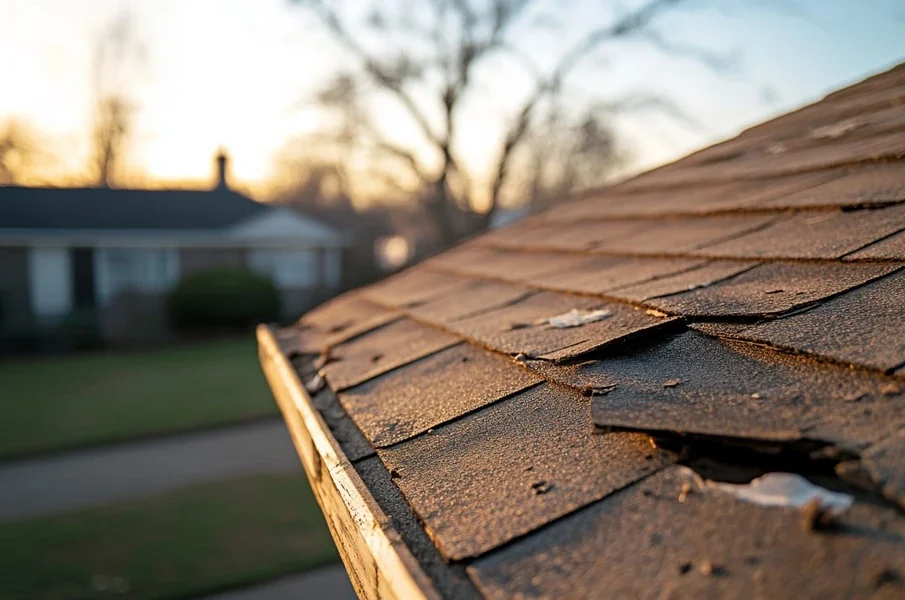
Most homeowners in the Twin Cities keep two lists without realizing it. One is the repair list, the things that have to happen after a hailstorm bruises the shingles or a summer gust tears a run of siding off the north wall. The other is the someday list, which tends to hold the darker siding color, the larger kitchen window, and the covered porch that keeps getting pushed to next year. These two lists rarely meet, and that is a missed opportunity.
A storm claim forces scaffolding, dumpsters, and crews onto your property anyway. When the same team can handle restoration and remodeling, as Bravo Restorations does for homes and commercial buildings across Minneapolis and St. Paul, both lists can be folded into one project instead of two disruptions spaced years apart. Their crews treat storm recovery and renovation as connected work, and a free consultation is usually the easiest way to see how far your claim can stretch before your own budget takes over.
Merging the lists well, though, depends on knowing exactly where insurance money stops and your money starts.
Where the Insurance Check Stops Paying
A replacement cost policy promises to restore your home with materials of like kind and quality. That phrase does most of the work in every claim. If hail ruined a standard architectural shingle roof, the insurer owes you a comparable architectural shingle roof. It does not owe you Class 4 impact rated shingles, standing seam metal, or a switch from vinyl to fiber cement siding.
Those upgrades are called betterment, and they are still possible. You simply pay the difference between the insured scope and the upgraded one. In many cases the gap is smaller than people expect, because the tear off, disposal, labor, and permits are already covered. You are only funding the price difference in materials and any added labor.
Payment usually arrives in two stages. The first check reflects actual cash value, meaning replacement cost minus depreciation. The withheld portion, known as recoverable depreciation, is released once the work is finished and invoiced. Upgrades never increase that second payment, so keep your expectations tied to the original scope.
When Mismatched Siding Changes Everything
Here is where a small claim can quietly grow into a full exterior makeover. Siding fades. Product lines get discontinued. A replacement panel from the same manufacturer might still look noticeably different from boards that have spent fifteen Minnesota winters in the sun.
Minnesota has no blanket matching statute, but the state Supreme Court addressed the issue directly in Cedar Bluff Townhome Condominium Association v. American Family. The court upheld an appraisal panel decision that replacing damaged siding with material of comparable quality required a reasonable color match, which in that case meant residing every building. The Minnesota State Law Library hosts the Court of Appeals opinion in the Cedar Bluff case, which the Supreme Court later affirmed, if you want the full reasoning. Your own policy language still governs, so read it closely.
If a full elevation or the entire house ends up being replaced because of a mismatch, that is the moment to revisit color, profile, and trim details. You are already starting from bare sheathing, which makes it the cheapest point in the life of the house to change its look.
Code Requirements Hiding Inside the Repair
Older Twin Cities homes were built under rules that no longer apply. When a roof comes off, current code applies to what goes back on. That often means an ice barrier membrane along the eaves, proper drip edge, and balanced attic ventilation. Some homes from the early twentieth century have plank board sheathing with gaps wide enough that new decking is required before shingles can be installed.
Standard policies exclude many of these costs unless you carry ordinance or law coverage, which is often capped at a percentage of your dwelling limit. Ask your agent about it before the adjuster arrives rather than after. Contractors familiar with insurance work will usually list code items separately in the estimate so they can be submitted as their own supplement.
A Sensible Order for Combined Work
Doing restoration and remodeling together only pays off if nothing gets installed twice. The sequence below keeps trades from undoing each other’s work.
- Close up the roof first. Shingles, flashing, vents, and gutters come before anything else, because every other project depends on a dry building.
- Set new windows before the siding. If larger or more efficient windows are on your someday list, install them while the walls are open so the siding and trim can be fitted around them properly.
- Finish siding, soffit, and fascia. This is where color and profile upgrades land.
- Dry out and repair interior damage. Stained ceilings, wet insulation, and swollen drywall get addressed once the envelope is sealed and moisture readings confirm things are dry.
- Bring in the interior remodel. Kitchens, baths, and finished basements come last, inside a home that is already weathertight.
Letting Minnesota Weather Set the Calendar
Climate quietly shapes every combined project here. Asphalt shingles rely on heat activated sealant strips, and most manufacturers call for hand sealing when installation happens in cold weather. Vinyl siding turns brittle in deep cold and needs careful gapping for expansion once spring arrives. Painted fiber cement has minimum temperature limits for touch up work.
That does not mean winter is off limits. Window replacement can be done one opening at a time with minimal heat loss, and interior remodeling runs year round. A smart plan front loads exterior work into warmer months and lets interior projects carry the job through the cold. Just keep an eye on your policy’s deadline for claiming recoverable depreciation, which is usually measured in months.
Keeping the Paperwork Clean
Ask for two written scopes. One should mirror the insurance estimate line by line. The other should cover your upgrades with their own pricing. This separation protects you if an adjuster reviews the final invoice, and it makes clear which dollars came from where.
Minnesota law also gives homeowners some useful protection. Under Minnesota Statutes section 325E.66, residential contractors cannot promise to pay or rebate your deductible, so any crew offering to “eat” it is a warning sign. The same statute lets you cancel a contract signed before your claim is decided if the insurer denies coverage, within a short window after you receive the denial. Expect insurance checks to be made out to both you and your mortgage lender, which adds a signature step worth planning for.
A storm decides when the work begins. What the house looks like when the crews pack up is still your call, and with a little planning, the repair you never wanted can become the remodel you kept postponing.



-
Turning a Hail Claim Into the Remodel You Kept Postponing
Most homeowners in the Twin Cities keep two lists without realizing it. ... -
-
-
-