Sewer Line Cleaning: A Complete Guide for Maine Homeowners
Is your drain slowing down again, even after you have cleared it? Does your toilet gurgle, or do you notice unpleasant sewer odors around your home? These could be early signs of a sewer line problem. For Maine homeowners, timely sewer line cleaning can help prevent minor buildup from turning into a serious blockage. But is cleaning enough? Grease, tree roots, mineral scale, debris, or damaged pipes may be causing the recurring issue. Understanding the real cause can help you choose the right solution and avoid costly sewer emergencies down the road.
What Is Sewer Line Cleaning?
Sewer line cleaning is the process of removing accumulated material from the interior of a sewer pipe so that wastewater can flow properly. Depending on the condition and material of the pipe, professionals may use mechanical equipment, specialized cutting tools, or high-pressure water. One of the most effective options for certain situations is hydro jetting, which uses pressurized water to remove grease, scale, debris, and root buildup from the pipe walls. The appropriate pressure and nozzle depend on the pipe’s age, material, and condition.
However, cleaning should not automatically be treated as a complete solution. If the pipe has cracks, displaced joints, severe corrosion, or a collapsed section, cleaning may provide only temporary relief.
Before You Call for Cleaning: Try This 30-Second Check
Ask yourself three questions:
- Is more than one drain slowing down?
- Has the same blockage returned after being cleared?
- Are you noticing gurgling, unpleasant odors, or unexpected water backups?
If you answered yes to two or more of these questions, the issue may involve more than a single clogged fixture and could require professional inspection.
Why Do Sewer Lines Become Clogged?
A clogged sewer line can develop for several reasons.
Grease and Debris
Although grease may begin as a thin coating, repeated accumulation can reduce the usable diameter of a pipe. Other materials can attach to this buildup, gradually restricting wastewater flow.
Tree Root Intrusion
Small openings around joints, cracks, or damaged sections can allow roots to enter the pipe. Once inside, roots can collect other debris and create a significant sewer line blockage.
Mineral Scale
Older pipes may develop mineral deposits along their interior walls. Over time, these deposits reduce the available space for wastewater and create rough surfaces where additional debris can collect.
Structural Damage
Cleaning cannot correct every sewer problem. A pipe that has collapsed, shifted, or developed significant structural deterioration may require rehabilitation or replacement. This is why diagnosing the pipe before repeatedly cleaning it is so important.
Warning Signs You Shouldn’t Ignore
Some sewer problems develop gradually. Watch for:
- Multiple drains becoming slow at the same time
- Toilets that gurgle when sinks or appliances drain
- Recurring backups after previous clearing
- Sewage odors around drains or cleanouts
- Water backing up through a basement floor drain
- Unexplained wet or unusually lush areas near the sewer line
- A problem that repeatedly returns after snaking
If only one fixture is affected, the problem may be localized. If several fixtures are affected simultaneously, the main sewer line deserves closer attention.
Sewer Camera Inspection: Diagnose Before You Clean
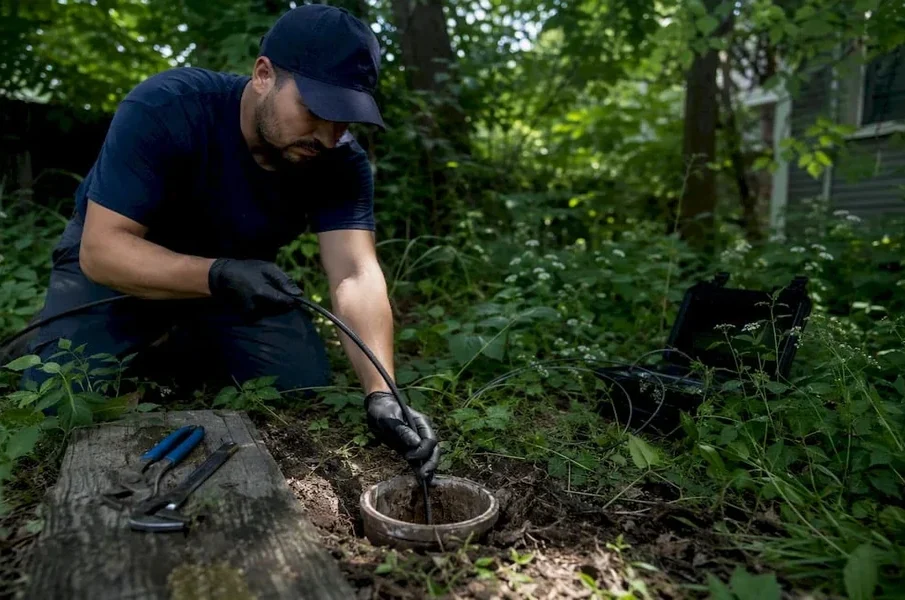
One of the smartest steps before extensive cleaning is a sewer camera inspection. Instead of guessing what is happening underground, a small camera can travel through the sewer lateral and provide a clear view of the pipe’s interior.
It can reveal roots, cracks, offsets, buildup, bellies, corrosion, and collapsed sections. Trenchless Maine’s sewer scope inspection service provides video documentation and a written summary, allowing homeowners to understand what is actually happening inside the line. This approach can prevent a common mistake: repeatedly clearing the symptom while ignoring the underlying cause.
Hydro Jetting vs. Traditional Snaking
Traditional snaking can be useful for certain blockages, but it may create an opening through the obstruction without thoroughly cleaning the entire pipe. A hydro jetting sewer line approach is different. High-pressure water can scour the interior walls and flush loosened material from the line. It can be particularly useful for grease, mineral buildup, and certain root-related restrictions. However, that does not mean hydro jetting is appropriate for every pipe. Fragile or severely damaged pipes require careful assessment first.
The right question isn’t, “Which cleaning method is the strongest?” It is, “Which method is appropriate for this pipe?”
When Sewer Line Root Removal Is Necessary
Root intrusion deserves special attention because cutting roots can solve the immediate blockage without eliminating the entry point. Professional sewer line root removal can clear root masses from the pipe. However, if roots entered through cracks or defective joints, they may eventually return. For recurring root intrusion, the longer-term solution may involve repairing or lining the damaged section. Professional root removal can be combined with further inspection to determine what should happen next.
A Simple Sewer Line Health Check
Here is a useful homeowner rule:
- One symptom → Investigate
- Two recurring symptoms → Inspect
- Repeated blockage → Diagnose the pipe
For example:
- One slow drain: If only one sink, shower, or fixture is draining slowly, the problem may be limited to that individual drain. Try addressing the fixture-level blockage first.
- Several slow drains: When multiple drains throughout the home begin slowing down at the same time, the main sewer line could be partially restricted. A professional inspection can help determine where the problem is located.
- Repeated backups: If the same backup keeps returning after the line has been cleared, there may be an underlying blockage, root intrusion, or structural issue. A sewer camera inspection can provide a clearer picture.
- Roots found repeatedly: Recurring root growth may indicate cracks, gaps, or damaged joints that are allowing roots to enter the pipe. Root removal may clear the immediate problem, but the entry point should also be assessed.
- Cleaning only provides temporary relief: If the sewer works normally for a short period and then becomes restricted again, repeatedly cleaning the line may only treat the symptom. Diagnosing the underlying cause can help determine whether cleaning, repair, or rehabilitation is the better long-term solution.
This simple approach helps homeowners avoid repeatedly spending money on temporary fixes.
Illustrative Case Study: The Recurring Backup That Wasn’t Just a Clog
Consider a homeowner who notices that the basement drain backs up every few months. The first time, a basic clearing restores normal flow. Several months later, the same thing happened again. Another clearing solves the problem, but only temporarily. At this point, repeating the same process isn’t really sewer line maintenance. It is simply repeating a temporary solution. A camera inspection could reveal that tree roots are entering through an older pipe joint. The immediate restriction can be cleared, but the homeowner now understands why the problem keeps returning. Depending on the pipe’s structural condition, the next step might involve scheduled root removal, more comprehensive cleaning, or trenchless rehabilitation.
The lesson is simple: when the same blockage keeps returning, stop treating it as a one-time clog.
How Often Should You Schedule Sewer Line Cleaning?
There is no universal cleaning schedule for every home. A newer, properly functioning sewer line may not require routine professional cleaning. Older properties, homes with recurring root intrusion, or properties with a history of backups may benefit from more proactive monitoring. The most appropriate schedule depends on pipe material, age, surrounding trees, usage, previous problems, and the condition revealed during inspection. A reputable sewer line cleaning service provider should consider these factors rather than automatically recommending the same frequency to every homeowner.
Homeowners should also remember that sewer maintenance is different from septic-system maintenance. The EPA recommends routine septic inspections and maintenance for properties that use septic systems.
Why Professional Cleaning Can Be Better Than DIY Chemicals
Chemical drain cleaners may appear convenient, but a main sewer problem is different from a small sink drain clog. If the obstruction is deep in the lateral, caused by roots, or related to structural damage, household chemicals cannot address the underlying issue. Professional assessment allows a technician to identify the location and cause before choosing the appropriate cleaning method. For recurring problems, this can save homeowners from paying for the same temporary fix multiple times.
What About Older Pipes?
Older homes may contain clay, cast iron, Orangeburg, or other aging sewer materials. Their condition can vary significantly, even between neighboring properties. That makes visual inspection especially valuable. Cleaning an aging pipe without first understanding its condition may not be the best approach. A camera can help determine whether the line has buildup that can be safely removed or whether deterioration requires a different solution.
If cleaning reveals structural deterioration, trenchless pipe lining may be worth considering.
Choosing the Right Approach
The best sewer solution usually follows a simple sequence:
Inspect → Identify → Clean → Verify → Repair if Necessary
This process is more useful than simply asking for the strongest available cleaning method. For homeowners, the real objective is reliable wastewater flow and fewer surprises, not simply a temporarily cleared pipe.
When a Sewer Problem Needs Professional Attention
Effective sewer line cleaning is about more than removing a blockage. It is about understanding what caused the restriction and determining whether the pipe itself needs attention. If you are dealing with recurring backups, multiple slow drains, root intrusion, or unexplained sewer problems, start with diagnosis rather than guesswork. For additional homeowner guidance about wastewater system maintenance, the U.S. Environmental Protection Agency’s septic system resources provide useful maintenance information.
For homeowners dealing with persistent sewer problems, professional inspection and cleaning can help identify the right solution before a manageable issue becomes a costly emergency. Choosing the right sewer professional means looking beyond a quick fix. At Trenchless Maine, homeowners can benefit from a diagnostic-first approach that focuses on identifying the cause of the problem before recommending cleaning, root removal, repair, or trenchless solutions. This helps ensure that the recommended service matches the actual condition of the sewer line. Contactus to schedule a professional sewer inspection or cleaning and get a clearer understanding of what your sewer line needs.
Frequently Asked Questions
1. How Do I Know If I Need Sewer Line Cleaning?
Multiple slow drains, recurring backups, gurgling toilets, sewage odors, or repeated blockages can indicate buildup inside the main line. A professional assessment can determine whether cleaning is appropriate or whether the pipe has a deeper structural problem.
2. What Causes a Sewer Line Blockage?
Common causes include grease, accumulated debris, mineral scale, foreign objects, and tree roots entering through cracks or defective joints. The exact cause matters because simply clearing the blockage may not prevent it from returning.
3. Is Hydro Jetting Safe for Older Sewer Pipes?
Hydro jetting can be effective, but older or damaged pipes should be evaluated first. Professionals can adjust pressure and equipment according to the pipe’s material and condition. Severely deteriorated or collapsed pipes may require a different repair approach.
4. How Does a Sewer Camera Inspection Help?
A camera inspection shows the inside of the sewer line and can identify roots, cracks, offsets, buildup, corrosion, or collapse. This helps homeowners understand the actual cause of recurring problems before approving cleaning or repair work.
5. Can Sewer Line Root Removal Prevent Roots Permanently?
Root removal clears existing root growth, but it may not eliminate the entry point. If roots enter through cracks or damaged joints, they can return. Long-term prevention may require repairing or lining the affected section.


-
Office Spaces for Sale in Pattaya: What Buyers Should Know
Buying business premises requires careful planning, clear goals, and a realistic budget. ... -
-
-
-