Is Your Yard Ready for a New Dog?
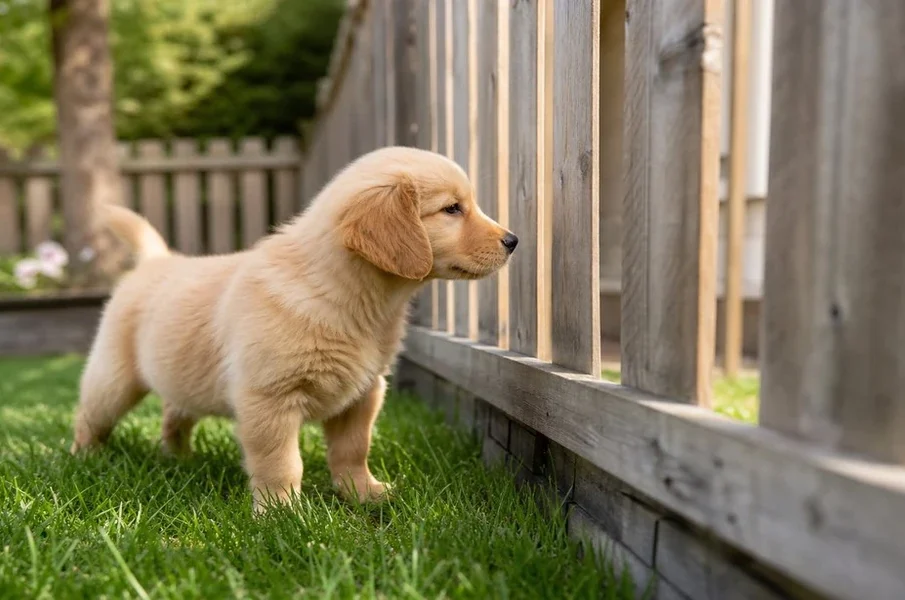
Before the new dog arrives, here’s a fence checklist that might save your pet and your backyard. A new canine companion can quickly locate the weak spots in a yard. An old gate with a large space under it can provide a quick way out. A section of fence that seems secure may prove flimsy when a frightened dog leans on it.
Even a fence in good shape can become a problem if your pet has a full view of everything that happens outside the yard and ends up barking all day at passersby, other animals, and delivery trucks. It’s worth evaluating your fence before you bring your new pet home for the first time.
Yard Inspection
A fencing professional can do more than put up a new boundary. They can spot trouble spots that may turn your yard into a dangerous place for your new pet.
During a pre-fence installation inspection, examine your yard closely. Walk around the entire yard slowly. Take a flashlight along with you if there are areas that are hard to see. Take a careful look at both sides of each gate. Make sure that there isn’t a space under the fence where dirt has eroded away or the yard isn’t even, leaving gaps wide enough for a nose, a paw, or a very small dog to get through. Look for things like:
- Loose boards, panels, posts, or fasteners
- Gaps below gates and fence lines
- Latches that do not close securely on their own
- Sharp hardware, protruding nails, or splintered wood
- Areas where a dog can see activity beyond the yard
Also, check what’s near the fence. Trash cans, woodpiles, flowerpots, patio furniture, and other items could be used as steps by an active pet. You don’t need a tall fence for a dog to jump over. Just something to stand on.
Professional Repairs
When you hire a fencing company, don’t just say you want a safe yard for your pet. Tell them about your pet’s size and temperament, if possible. If your pet digs or jumps, let them know. If your pet gets excited by anything moving, tell them. This can help determine how best to make your yard a safe place.
Privacy and Supervision
A fence company may recommend adding privacy features if your pet may be easily distracted by neighbors’ pets or people walking past. It doesn’t have to be the whole yard. Sometimes, it’s just a short panel by a gate or a section along the perimeter where your dog spends the most time. This makes for a quieter yard but doesn’t require you to rebuild your entire fence line.
Materials and Final Checks
If there are loose panels or a broken fence section, just bolting it back together won’t solve the underlying problem. If a section was damaged because a post became loose, simply tightening a few bolts might not be enough to keep the dog contained in the future. And if the problem is a gap at the bottom of a gate caused by the ground sloping down away from the gate, you may need to consider adding a gate extension, installing a different type of gate, or regrading the soil in front of the gate.
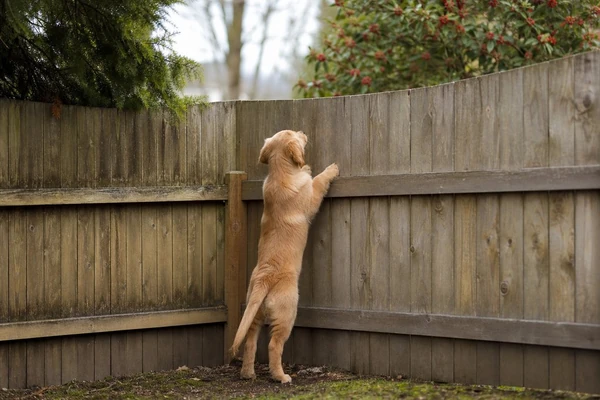
In addition, think about what materials you’re putting up and whether they’ll be pet-friendly (https://dictionary.cambridge.org/us/dictionary/english/pet-friendly). Smooth surfaces and secure joints are less likely to result in a cut, a caught collar, or even chewed corners. Consider what works best for the existing fence and your dog’s behavior and what level of privacy you desire.
During installation, make sure the dog stays clear of the work zone until all debris, tools, and hardware have been cleared. Even a small piece of metal left behind could turn into a future problem.
After all the repairs or new fencing is done, take a moment to test it out. Do another walk along the fence line, checking the repaired areas and trying out each gate. Try it at dog eye level by getting down near the bottom rail, and this allows you to see any gaps that grass or bushes might be hiding.
For the first week, get out in the yard with your dog and observe where the dog sniffs and paws at the fence line. Take note if the dog gets overly vocal or tries to test certain areas. Though the fence repair may be complete, your dog’s actions will tell you whether there are any minor issues that still need attention.
Having a secure yard means your new dog has room to adjust to their new surroundings without having to deal with yet another incident of escape during an already hectic first week. It’s typically easier to fix a broken fence panel, upgrade a gate latch, or remove an unsightly sightline before your dog figures out that area is worth exploring.
Before bringing your dog home, do one final walk around the property and make note of any spots that still need fixing.


-
Gut Renovation in Astoria NY: The Hidden Costs Nobody Puts in the First Quote
You collected three quotes. They looked reasonable. You signed, the walls came ... -
-
-
-