
Everything You Should Know About Multi-Zone Ductless Cooling Systems
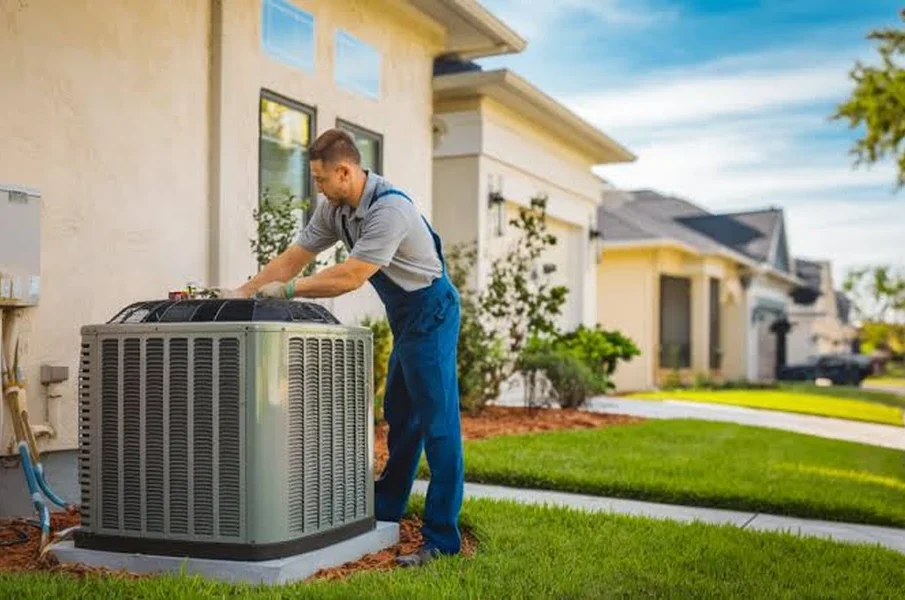
Multi-zone ductless cooling systems have become a practical solution for homeowners who want precise temperature control without the limitations of traditional central air. Unlike single-zone units that serve one room, these systems connect one outdoor compressor to several indoor air handlers. Each indoor unit operates independently, so different areas of the home can run at different temperatures at the same time. For residents looking into reliable options, professional ductless ac service Conyers, GA can help determine whether a multi-zone setup fits a particular property.
What Makes a System Multi-Zone
A multi-zone ductless system starts with a single outdoor unit that houses the compressor and condenser. Refrigerant lines then run to two or more indoor units mounted on walls, ceilings, or floors. Each indoor unit has its own thermostat or remote control. Homeowners can cool a bedroom while leaving the living room at a higher temperature, or shut off unused rooms entirely. The outdoor unit adjusts its capacity based on the combined demand from the indoor heads, which improves efficiency compared with running multiple separate systems.
Most modern multi-zone configurations support anywhere from two to eight indoor units, depending on the outdoor unit’s capacity. Manufacturers design these systems so the total connected indoor capacity can exceed the outdoor unit’s rated output by a certain percentage, giving installers flexibility when matching equipment to a home’s layout.
How the Technology Works
The core technology is a heat-pump cycle. In cooling mode, the outdoor unit extracts heat from the refrigerant and releases it outside. The cooled refrigerant travels through insulated copper lines to each indoor unit, where a fan blows room air across the cold coil. Because there are no ducts, conditioned air reaches the space directly. This eliminates the energy losses that commonly occur when air travels through long duct runs in attics or crawl spaces.
Variable-speed compressors and inverter-driven fans allow the system to modulate output rather than cycling on and off at full capacity. The result is steadier temperatures, lower energy use, and quieter operation. Many systems also include advanced filtration and humidity control features that improve indoor air quality beyond basic cooling.
Key Advantages for Homeowners
Energy efficiency ranks high among the benefits. By cooling only the rooms that need it, multi-zone systems avoid the waste of conditioning empty spaces. ENERGY STAR-rated models can deliver significant savings compared with older central systems, especially in homes with inefficient or nonexistent ductwork.
Zoning flexibility is another major draw. Families with different comfort preferences no longer need to compromise on a single thermostat setting. Parents can keep bedrooms cooler at night while the rest of the house runs warmer. Home offices, media rooms, or finished basements can receive dedicated climate control without extending the existing duct system.
Installation is generally less invasive than adding or replacing ducts. Technicians drill small holes for the refrigerant lines and electrical wiring, mount the indoor units, and connect everything to the outdoor condenser. Most installations can be completed in a day or two, depending on the number of zones. The absence of ductwork also means fewer places for dust, allergens, and mold to accumulate.
Quiet operation is frequently mentioned by owners. Indoor units produce sound levels comparable to a soft conversation, and the outdoor unit is engineered to run at reduced noise when demand is low. This makes multi-zone systems suitable for bedrooms, nurseries, and home offices where background noise matters.
Practical Considerations Before Installation
Proper sizing remains essential. An oversized system will short-cycle and struggle to dehumidify, while an undersized one will run constantly without reaching set points. A qualified technician performs a Manual J load calculation that accounts for square footage, insulation levels, window orientation, and local climate data. In the Atlanta metro area, including Conyers, summers bring high humidity and extended cooling seasons, so accurate sizing is especially important.
Placement of indoor units affects both performance and aesthetics. Wall-mounted heads should sit high enough for good air circulation yet remain accessible for filter cleaning. Ceiling cassettes or floor units offer alternatives when wall space is limited. Outdoor units need clear airflow, a level pad, and enough clearance from walls and landscaping.
Electrical requirements should not be overlooked. Many multi-zone systems need a dedicated circuit and may require a panel upgrade in older homes. Refrigerant line length and elevation differences between indoor and outdoor units also influence system design and efficiency.
Maintenance and Longevity
Routine care keeps a multi-zone system running efficiently. Homeowners should clean or replace indoor filters every one to three months, depending on usage and household conditions. Outdoor coils benefit from periodic inspection and gentle cleaning to remove leaves, pollen, and debris. Professional maintenance once or twice a year typically includes checking refrigerant levels, testing electrical connections, and verifying that each indoor unit responds correctly to its controls.
With proper care, these systems often last 15 to 20 years. Because the outdoor unit serves multiple indoor heads, a single well-maintained compressor supports the entire home rather than requiring multiple separate outdoor units.
Who Benefits Most
Multi-zone ductless cooling suits a range of situations. Homes without existing ductwork gain whole-house comfort without major renovation. Additions, converted attics, and finished basements can receive dedicated cooling without tying into the main system. Older houses with leaky or poorly designed ducts often see improved efficiency and comfort after switching. Even newer homes can benefit when occupants want room-by-room control that a single central thermostat cannot provide.
Renters and condominium owners sometimes choose single-zone units, but multi-zone systems make more sense for primary residences where long-term comfort and energy costs matter. Anyone evaluating options should request a site visit so a technician can assess layout, electrical capacity, and cooling needs before recommending specific equipment.
Making an Informed Decision
Understanding the basics of multi-zone ductless systems helps homeowners weigh the investment against expected comfort and efficiency gains. The technology delivers independent temperature control, reduced energy waste, and quieter operation without the drawbacks of traditional ductwork. Careful sizing, professional installation, and regular maintenance determine how well the system performs over time.
When considering an upgrade or new installation, gathering accurate information about load requirements, equipment options, and local climate factors leads to better results. A well-designed multi-zone system can transform how a home feels during the hottest months while keeping operating costs in check.
Conclusion
Multi-zone ductless cooling systems stand out as one of the most effective, energy-efficient air conditioning solutions available today for homeowners seeking better temperature control and lower operating costs. By combining a single outdoor condenser with multiple indoor air handlers, these ductless mini-split systems deliver independent zone cooling, reduced energy consumption, and quieter performance than conventional ducted systems. From improved indoor air quality and minimal installation disruption to long-term durability and precise climate management, multi-zone ductless AC technology addresses the real comfort challenges faced by modern households. When properly sized and professionally installed, a multi-zone ductless cooling system becomes a smart, future-ready investment that enhances daily comfort while supporting greater energy efficiency throughout the cooling season.


-
Two Years Is Roughly Where Renting Furniture Stops Making Sense
Two years is roughly where the maths flips. Below that point, a ... -
-
-
-