
How Vertical Dock Levelers Improve Warehouse Temperature Control
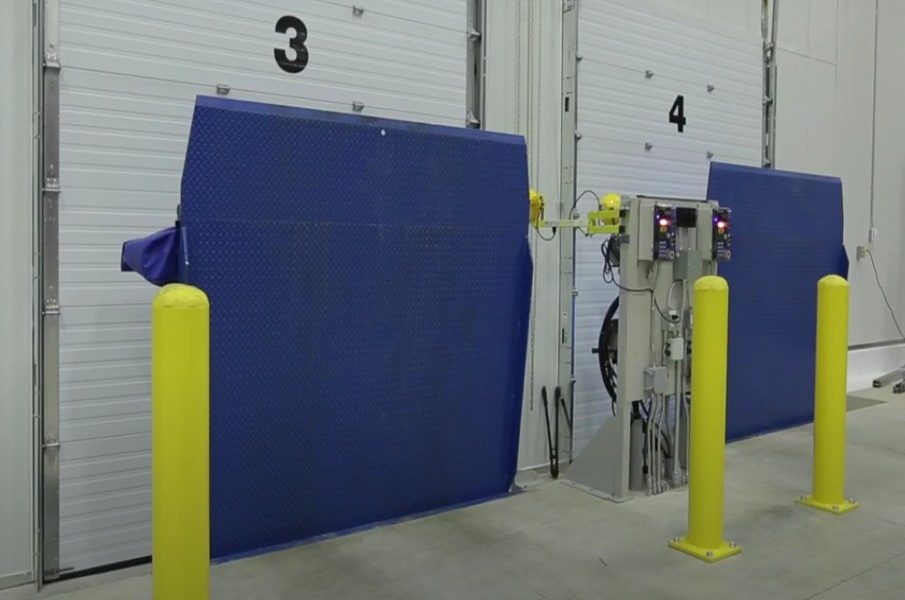
Keeping a warehouse cool is a constant battle, especially at the loading dock. Every time a trailer backs up to the bay, precious climate-controlled air can escape, turning temperature stability into a moving target. For cold storage facilities and temperature-sensitive operations, even a minor temperature swing leads to spoilage, higher energy bills, and safety risks.
Challenges of Temperature Control in Warehouses
Common Sources of Temperature Loss at Loading Docks
The loading dock is the most vulnerable point in any warehouse’s thermal envelope. When a door is open for loading, cold or conditioned air rushes out, while hot summer air or frigid winter drafts flow in. Traditional dock equipment often leaves small but significant gaps around the door, letting air leak even when not in operation.
Impact of Temperature Fluctuations on Inventory and Energy Costs
Temperature deviations are more than an inconvenience. Sensitive products like pharmaceuticals, dairy, or frozen foods can become unusable if exposed to the wrong conditions, resulting in direct product loss and waste. Meanwhile, HVAC systems must work harder to compensate, driving up energy spending.
Traditional Dock Levelers: Benefits and Limitations
Overview of Recessed (Encastré) Dock Levelers
Recessed or “encastré” dock levelers are a familiar sight in warehouses. These devices bridge the gap between the dock and the trailer, allowing forklifts and pallet jacks to move safely between surfaces. They are typically stored within the dock pit, with a section of the leveler extending outward during use.
How Traditional Levelers Affect Door Sealing and Airflow
The design of conventional levelers often leaves the dock door sitting on top of the retracted platform, leaving small openings along the edges. This incomplete seal becomes a highway for air exchange, undermining any attempt at temperature management. Over time, these gaps contribute to energy inefficiency and increased operational costs.
Security and Accessibility Concerns with Conventional Designs
Physical gaps at the bottom of the dock door are not just a climate concern. They can also invite pests or even unauthorized individuals into the facility. Traditional levelers cannot achieve a full perimeter seal, leaving the building less secure.
Vertical Dock Levelers: Design and Functional Advantages
Vertical Storage Mechanism and Its Role in Sealing Efficiency
Vertical dock levelers offer a clear departure from recessed models. When not in use, the platform stores upright, allowing the dock door to close tightly against the ground. This vertical parking position means a true floor-to-ceiling seal, effectively blocking airflow, dust, and unwanted intrusions.
Key Features Enhancing Temperature Control (IntelliTilt, SmartFloat)
Modern vertical levelers bring advanced engineering to the table. The VL model, for example, incorporates IntelliTilt technology, which ensures precise and safe position alignment, reducing risk of air gaps during operation. SmartFloat allows the platform to flex up to 4 inches, maintaining consistent contact with the trailer even as it shifts or settles during loading. These features together support an unbroken barrier against temperature loss.
Structural Innovations for Durability and Performance
Horizontal U-beams welded beneath the platform minimize sagging and extend the unit’s lifespan. SoftPark cushions protect the hydraulic cylinder from damage, while the EasyClean hinge design prevents debris buildup, reducing maintenance and preserving the platform’s airtight performance over time.
Comparative Analysis: Vertical vs. Traditional Dock Levelers
When it comes to temperature control, the differences are striking:
| Feature | Traditional Leveler | Vertical Dock Leveler |
|—————————–|—————————-|————————–|
| Door Seal Quality | Partial, prone to gaps | Full, floor-to-ceiling |
| Air Leakage | High | Minimal |
| Energy Use | Increased | Reduced |
| Security | Moderate | Enhanced (tighter seal) |
| Platform Flex During Load | Limited | Up to 4 inches |
| Maintenance | Standard | Easier to clean |
Effectiveness in Maintaining Internal Warehouse Temperatures
Facilities using vertical levelers consistently report tighter control over internal climates. With all four edges of the door sealed, conditioned air remains inside, and outside air stays out.
Energy Savings and Reduction in Cooling Costs
By eliminating gaps, vertical levelers lower the load on HVAC systems. Energy audits often show measurable reductions in cooling and heating expenses after installation.
Impact on Product Preservation and Waste Minimization
Better temperature control means less spoilage and waste, especially for sensitive goods. Some warehouses have reported a drop in product loss after converting to vertical dock systems.
Security Enhancements and Unauthorized Access Prevention
The complete closure deters entry by pests or unauthorized personnel, addressing security risks left by older designs.
Additional Benefits and Customization Options of Vertical Dock Levelers
Safety Features: SoftPark Cushions and EasyClean Hinges
Operational safety is a clear focus. SoftPark cushions absorb impact, preventing component damage. EasyClean hinges eliminate hidden dirt traps, promoting both sanitation and function.
Communication and Control Technologies (Blue Genius Gold Series I)
Touch-screen platforms like the Blue Genius Gold Series I controller simplify operation. Visual feedback and ergonomic controls make it easy for dock workers to use equipment safely and efficiently.
Optional Accessories: Vehicle Restraints, Communication Lights, and Environmental Adaptations
Vertical dock levelers can also be equipped with vehicle restraint systems, communication light kits, and environmental adaptations like hot-dip galvanization or specialty hydraulic oils, ensuring they suit any climate or compliance requirement.
For a comprehensive overview of the available models and their features, resources like niveleurs de quai offer detailed specifications and selection guidance.
Case Studies and Real-World Applications
Warehouses that switch to vertical dock levelers often report measurable results within months. One cold storage facility saw a 17% reduction in energy costs after upgrading. Another logistics hub noted a significant drop in product spoilage and a faster turnaround at the dock thanks to improved sealing and easier operation.
Conclusion: Assessing the Value of Vertical Dock Levelers for Warehouse Climate Management
Facilities struggling with temperature fluctuation, inventory waste, or high utility bills will see clear benefits from transitioning to vertical dock levelers. The choice is even more compelling for those handling perishable or regulated goods. When weighing long-term ROI and sustainability, vertical levelers stand out for their efficiency, security, and operational simplicity. For many, they are no longer a luxury, but a necessity in modern warehouse climate management.


-
Gut Renovation in Astoria NY: The Hidden Costs Nobody Puts in the First Quote
You collected three quotes. They looked reasonable. You signed, the walls came ... -
-
-
-