Solar Panels Tend to Outlive the Roof Beneath Them
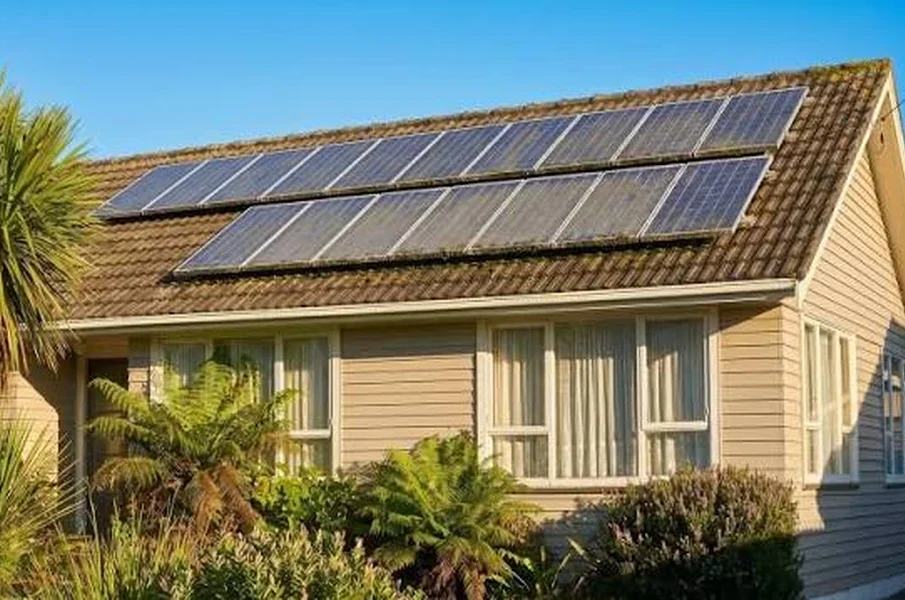
Two warranties often end up on the same kitchen counter. One comes with the solar panels and promises 25 years of power production, sometimes 30. The other belongs to a shingle roof that went on around the time the oldest kid started kindergarten, and that kid is now learning to drive. Set those papers side by side and the arithmetic gets uncomfortable. On Colorado’s Front Range, where one summer storm can strip a roof in twenty minutes, the gap between them matters even more.
Families around Denver who want both jobs planned as one often start with a team like Platinum Roofing, a family-owned contractor based in Greenwood Village whose crews cover roofing, gutters, exterior painting and solar installation. A free certified roof inspection and an included upgrade to Class 4 impact-resistant shingles give homeowners a clear read on the surface before any racking is bolted down.
Two Clocks Ticking at Different Speeds
Solar panels age slowly. Most quality modules lose roughly half a percent of output each year, so a panel installed today will usually still be producing well into its third decade. Asphalt shingles do not age on that schedule, especially at altitude. Intense UV at a mile high bakes the oils out of shingles faster than at sea level, and freeze and thaw cycles work on every seam. An architectural shingle sold as a 30-year product often looks tired at 15 or 18 years in the Denver metro.
That is why the National Roof Certification and Inspection Association recommends a roof inspection before any solar installation and advises replacing a roof near the end of its life before panels go on. The idea is simple. If the roof will need replacing while the array still has decades of life left, the homeowner pays for that roof twice in a sense, once for the materials and again for the labor of moving the solar system out of the way.
The Bill for Lifting an Array Off a Roof
Few people get this number at the sales table. When a roof has to be replaced under an existing system, the panels have to come down first, and that work is commonly priced somewhere between $1,500 and $6,000, depending on the size of the system. The line item usually covers several separate tasks.
- Shutting down and disconnecting the system safely, including the inverter and any battery.
- Removing panels, racking, wiring runs and critter guards, then storing everything without damage.
- Pulling and later resealing the roof mounts that were bolted through the old decking.
- Reinstalling the array, reconnecting it and arranging any inspection the city or utility requires.
On top of the cost, the system sits idle for days or weeks, which means lost production during exactly the sunny stretch most people schedule roofing for. Some solar companies also limit their workmanship warranty if another contractor handles removal, so the paperwork deserves a careful read.
Hail Writes Its Own Rules on the Front Range
The Denver area sits in one of the most hail-prone corridors in the country, and that changes how a roof under solar should be chosen. Class 4 shingles carry the top impact rating under the UL 2218 test, where a steel ball up to two inches across is dropped onto the material repeatedly without cracking it. Panels themselves are tested against hail as well, usually with ice balls about an inch wide fired at highway speed, and many hold up to much larger stones.
Here is the twist. Panels shield the shingles directly beneath them, but the rest of the roof stays exposed. After a bad storm, an insurer may approve a full replacement while the array is still in perfect shape, and the panels have to come off anyway. Homeowners should ask their agent whether detaching and resetting solar is treated as part of a covered roof claim, since policies handle it differently. A tougher shingle at the start lowers the odds of facing that question at all.
Snow That Slides and Gutters That Pay for It
Glass sheds snow far faster than shingles do. A cold morning followed by sun can send a heavy slab off the array all at once, and that weight lands on the gutter below. Gutters get bent, hangers pull loose and walkways get buried. Snow guards placed below the array and stronger gutter hangers are worth discussing during planning rather than after the first spring storm.
Ice dams add another layer. Panels often stop a few feet above the eave, so snow melts on the warmer upper roof and refreezes along the cold edge, backing water under shingles. Good attic ventilation and insulation do more to stop that than anything mounted outside. Pigeons nesting in the shaded gap under panels can also pack gutters with debris, which is one more reason mesh guards around the array edge earn their small cost.
Reading Your Own Roof Before Anyone Quotes Panels
A few honest observations from the ground and the attic say a lot about whether a roof is ready.
The age on paper. Closing documents, old permits or a receipt in a drawer usually reveal when the current roof was installed. Past 12 years in Colorado, a professional opinion is worth getting.
The grit in the gutters. Piles of dark granules at downspout outlets mean shingles are losing their protective coating.
The shape of the shingles. Curled edges, cupping or patches that look smooth and shiny point to a surface nearing its end.
The feel underfoot and the light overhead. Soft spots in the decking or daylight visible from the attic suggest problems racking bolts should never be anchored into.
The number of layers. Many older homes carry two layers of shingles, and adding mounting hardware through both is a poor plan. A tear-off is usually needed first.
One Season and One Disruption
When the roof needs work, the cleanest path is replacing it shortly before the array goes up. Damaged decking gets fixed while it is fully exposed, a premium underlayment can go down beneath the future panel area, and mounts are flashed into fresh material instead of old shingles. Some homeowners consider reroofing only the plane that will hold the panels, but that leaves the house with two roofs aging at different rates and often a visible color difference.
Coordinating both trades on a shared schedule also means one round of crews, ladders and dumpsters in the driveway instead of two separate summers of disruption.
The Surface Every Panel Depends On
A solar array is only as dependable as the roof it rests on. The panels will keep working for decades if the surface beneath them is sound, well sealed and built to shrug off hail and snow. Getting the roof right first is less about spending more and more about spending once, so the sun can do its work for the full life of the system without anyone climbing up to undo it halfway through.


-
Chencharu Central Residences Looks to Parktown’s 87 Percent Launch Weekend as a Guide
Chencharu Central Residences Emulating Parktown’s Successful Launch Strategy In the heart of ... -
-
-
-