How to Build a Comfortable Playroom with Educational Activity Zones
Practical ideas for setting up a playroom with activity zones, toy rotation, child-friendly storage and a quiet sensory corner.
A playroom does not need to be a whole room. For many families it is a corner of the living room, the end of a bedroom or a strip of floor beside the dining table. Whatever the size, the same problems tend to appear. Toys spread everywhere, nobody can find the missing puzzle piece, and tidying up feels endless. Most good playroom ideas come back to a few simple habits: divide the space into clear zones, keep fewer toys out at once and store things where children can reach them.
Why activity zones make a playroom easier to live with
An activity zone is an area set aside for one kind of play. Blocks live in one place, crayons in another and books in a third.
Zones help in a few everyday ways. Children know where to go for what they want, so they spend less time tipping out every box to find it. Play stays more contained, because a building project has a natural home. Tidying also has an obvious end point. When each item is back in its zone, the job is done. This makes it easier to ask a young child to help, since ‘put the books back in the reading basket’ is a much smaller request than ‘tidy your room’.
Planning the zones: building, creating, reading and active play
Most playrooms work well with three or four zones. Adjust them to suit your space and your children.
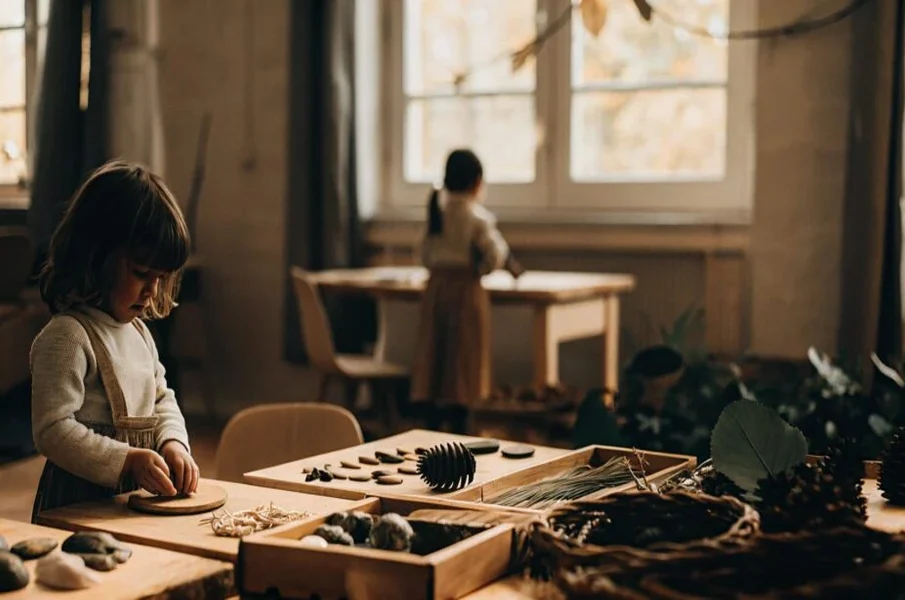
- Building and puzzles. A patch of hard floor or a low table with space for blocks, construction sets, shape sorters and jigsaws. A flat surface matters here, as towers topple easily on deep carpet.
- Creating. A small table and chairs for drawing, painting, play dough and sticking. Put it near a wipeable floor if you can, or lay a washable mat underneath.
- Reading. A low bookshelf or forward-facing book rack, plus a cushion or beanbag. This can double as the quiet corner described below.
- Active play. Clear floor space for dancing, tumbling, pushing a ride-on toy or setting up a small tunnel.
In a flat or a shared room, use furniture to mark boundaries. A rug can define the building zone. A low shelving unit turned at right angles to the wall can separate the craft table from the reading nook. Even a strip of masking tape on the floor can show a toddler where the car track belongs.
Mixed ages need a little more thought. Keep craft materials and sets with tiny parts on higher shelves or in the older child’s zone, and give babies and toddlers a safe floor area with chunky, larger toys. As children grow, the zones can shift. The active area might shrink while the craft table becomes a homework and hobby desk.
Choosing educational toys that suit each zone
Once the zones are planned, choose toys that belong in each one. A useful test is whether a toy can be played with in more than one way. Open-ended toys such as wooden blocks, stacking cups, simple puzzles, shape sorters and pretend-play sets (a play kitchen, a toy shop, a box of dressing-up clothes) tend to hold interest for longer than toys that do one thing at the press of a button.
Match toys to your child’s age and current interests too. A two-year-old may be happiest posting shapes into a sorter, while a six-year-old might want a bigger construction set or a jigsaw with more pieces. For the building and puzzle zone, you can browse a selection such as the CPS-Toys educational toy range alongside what you already have, and check the age guidance on any item before it goes on the shelf.
You may well own enough toys already. Before buying anything, sort what you have into zones. Gaps usually become obvious, and so do the toys nobody has touched in months.
Toy rotation: fewer toys out, more interest in each
Toy rotation means keeping a small selection of toys out and storing the rest out of sight. Many parents find this makes the playroom calmer, and toys feel new again when they reappear.
A simple routine:
- Sort toys into groups, roughly by zone.
- Put out a few items from each group. Leave favourites and comfort toys out all the time.
- Pack the rest into boxes and store them in a cupboard, under a bed or on a high shelf.
- Every week or two, swap some items. Keep what is being played with and rotate out what has been ignored.
Label stored boxes clearly with a quick list of contents, so you can find the farm animals without opening every lid. Older children can help choose what comes out next. This gives them some ownership and turns swap day into something to look forward to.
Storage that children can use themselves
Good storage lets children get toys out and put them away without asking for help.
- Low open shelves keep the current selection visible and within reach.
- Clear bins or picture labels help pre-readers see where things go. A photo of blocks taped to the front of the block bin works well.
- One basket per zone keeps tidying simple.
- Closed storage suits rotated toys, so they stay out of sight until swap day.
Safety should guide every storage choice. Anchor bookcases and tall units to the wall so they cannot tip if a child climbs them. Keep toys with small parts, button batteries and magnets away from children under three. Check toys regularly for loose pieces, splinters or worn seams, and remove anything damaged.
Creating a quiet sensory corner
A quiet corner gives children somewhere to slow down after busy play or before bed. It does not need much space.
Start with something soft to sit on, such as floor cushions, a beanbag or a folded duvet. Add gentle lighting, like a lamp with a warm bulb or a battery-operated light kept out of reach of small hands. A small play tent or a curtain hung across a corner can make the space feel separate from the rest of the room.
Then add a few calm, tactile items: a soft blanket, textured fabric squares, a squishy ball, a few board books or a sand timer to watch. Keep the selection small and rotate it like the other zones.
The corner can be a good place to share a story, or for a child to sit quietly on their own. If you have specific concerns about how your child responds to noise, touch or other sensations, speak to your GP, health visitor or another qualified professional.
Resources for setting up your playroom
Before you start moving furniture, these quick tools can help:
- Zone-planning checklist: list your zones, sketch where each will go, note the nearest window and power socket, and mark which surfaces are wipeable.
- Rotation schedule idea: write swap dates on the family calendar every one or two weeks, and keep a contents note on each stored box.
- Storage reminders: anchor tall furniture, keep small parts high, label bins with pictures and check toys for wear at each rotation.
- Sensory corner ideas: cushions, soft lighting, textured fabrics and a few calm items, with sensory play items from CPS-Toys as one source to look at.
Start with the space and the habits rather than a shopping list. Pick three or four zones, put out fewer toys than feels natural, give every item a home a child can reach, and set a regular day to swap things around. A playroom set up this way is easier to tidy and more pleasant to use.


-
How to Build a Comfortable Playroom with Educational Activity Zones
Practical ideas for setting up a playroom with activity zones, toy rotation, ... -
-
-
-